Many people have a sewing machine, some skill and a few free hours, but no steady customers. They search for ways to earn from home and find a mix of real tips and fake offers. This guide is about the real path. It explains how to get stitching orders at home, where the customers are, how to price your work and how to avoid people who only want your money.
You will see two honest truths early on. First, stitching from home is a real small business, and it takes a few months to build. Second, good work, fair prices and on-time delivery bring repeat orders. The rest of this guide shows you how, step by step, with a worked example of earnings at the end.
Step 1: Decide what you will stitch
You cannot sell “everything”. Pick one or two product lines and become good at them. A narrow focus makes it easy for people to remember you.
| Product line | Typical customers | Skill level |
|---|---|---|
| Ladies’ kurtis, salwar kameez, blouses | Neighbours, local women, boutiques | Medium |
| Alterations and repairs | Everyone nearby | Easy to medium |
| School and office uniforms | Schools, offices, small companies | Medium, steady demand |
| Children’s clothes | Families, small shops | Easy to medium |
| Bed sheets, pillow covers, curtains | Households, small hotels | Easy |
| Masks, bags, tote bags, aprons | Shops, events, NGOs | Easy |
| Knit basics (T-shirts, leggings) | Brands, online sellers | Needs special machines |
| Bridal and party wear | Boutiques, families | High, needs a strong portfolio |
| Garment factory sub-contract work | Factories, buying houses | Needs speed, quality systems |
Start with what you already do well and where people around you already ask for help.
Step 2: Check your skills and equipment
Quality is what gets you the second order. Before you look for customers, check that you can do these things.
- Take body measurements correctly and write them down. Our guide on the measurement of top and bottom garments shows how.
- Cut accurately, with grain lines and seam allowance.
- Sew straight seams, neat hems and clean finishing on the inside.
- Fit a garment and fix problems.
- Keep your machine in working order. See the guide to the parts of a sewing machine and their functions and the sewing machine maintenance schedule.
Basic equipment for a home start:
- A reliable lockstitch machine (a good domestic or semi-industrial one)
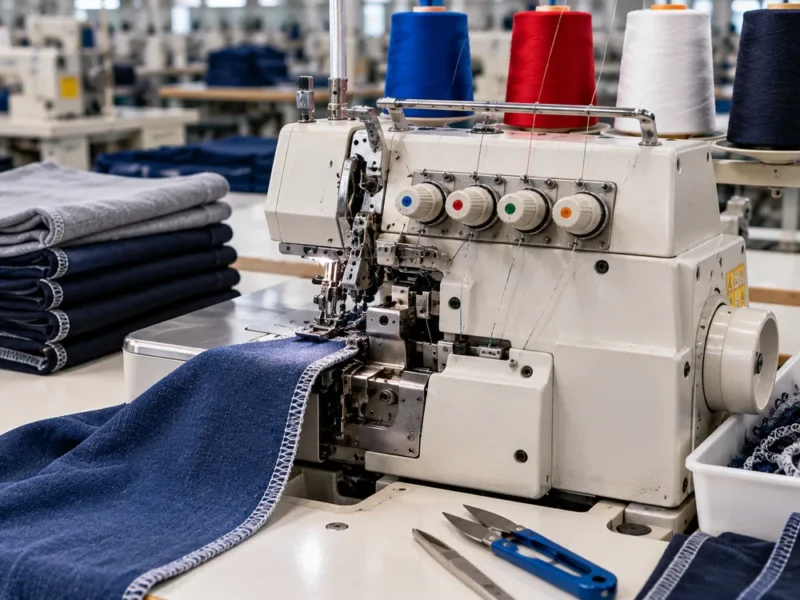
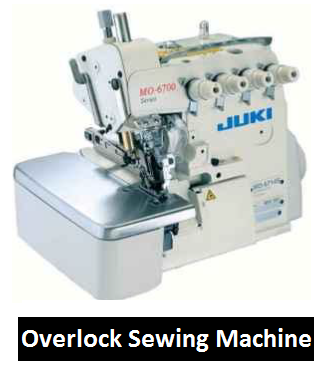
- An overlock machine if you will sew knits or want neat edges, or learn hand finishing at first
- A table large enough for cutting
- Good scissors, a rotary cutter, tape measure, pins, chalk, a ruler and an iron
- Light, a comfortable chair and a safe place to store cloth
Do not buy everything on day one. Begin with what you have and add a machine when orders prove you need it.
Step 3: Make a small portfolio
People trust what they can see. Stitch five to ten pieces in your chosen line, using decent fabric. Photograph them in daylight on a plain background. Take a close photo of the finishing too, for example the inside seams and the hem. Make a simple album on your phone, or a free page on social media. Add short notes with fabric, size and the time taken.
If you are starting from zero, make pieces for family and friends at a low price in exchange for photos and a short review.
Step 4: Find customers near you
Local orders are the easiest to win, because people can meet you and see the work.
- Tell everyone you know. Neighbours, relatives, former classmates, colleagues. A short message with photos is enough.
- Visit local tailor shops and boutiques. Many have more orders than they can finish, especially before festivals and weddings. Offer to take overflow work, and show your samples.
- Fabric shops and tailoring supply stores. Owners often get asked “who can stitch this?”. Leave your card and photos.
- Schools, colleges and offices. Ask about uniforms, aprons, bags or staff clothing.
- Women’s groups, cooperatives and NGOs. Some run training or sell handmade items and need stitching partners.
- Salons, clinics, restaurants and shops. They often need uniforms, covers and aprons.
- Festivals and markets. Eid, Puja, weddings and school season bring a rush.
Step 5: Find customers online
Online reach is wide, but competition is high, so use it with a clear focus.
- Facebook pages and groups. Post clear photos, price ranges and how to order. Join local buying and selling groups where the rules allow it.
- Instagram and TikTok. Short videos of cutting, stitching and finished pieces show skill and build trust.
- WhatsApp business. Create a catalogue with photos and prices, and share it with contacts.
- Marketplaces such as Etsy, Daraz or similar local sites. List ready-made items, or custom orders where allowed.
- Freelance sites. Pattern making and sample making jobs can be found there, though stitching must be posted.
- Google Business profile. Add your area, phone and photos so people can find you when they search “tailor near me”.
Reply fast. Many customers choose the first person who answers politely and clearly.
Step 6: Work with garment factories and buyers
A different path is sub-contract work for factories or small brands. Factories sometimes give out operations such as cutting, sewing, trimming, button work or embroidery to small units when they are busy. It can bring regular volume, but the standards are high.
- Expect to meet a quality standard, such as stitch per inch, measurement tolerance and finishing.
- Deliver on the agreed date. Late delivery can end the relationship.
- Expect to sew from a spec sheet or sample. Our guide on the garment spec sheet shows what these documents hold.
- Understand your price per piece. Factories think in minutes. Our article on productivity vs production explains standard minutes and efficiency.
- Ask about payment terms before you start.
Visit nearby factories’ sourcing or sub-contract departments, with samples. Bring a short list of your machines, your skills, your monthly capacity and references.
Step 7: Price your work
Under-pricing is the biggest mistake of new home stitchers. If you charge too little, you work hard and earn nothing. A fair price covers your time, thread, electricity, machine wear and profit.
Price per piece = labour + thread and trims + overhead + profit
Worked example 1: price for a ladies’ kurti
You stitch a simple cotton kurti. Customer gives the fabric. Your numbers:
- Sewing, cutting and finishing time: 3 hours per piece
- Your target pay: 120 currency units per hour
- Thread, buttons, lining and tape: 40 units
- Electricity, machine wear and needles: 5 percent of labour
Labour = 3 × 120 = 360
Overhead = 0.05 × 360 = 18
Direct costs = 360 + 40 + 18 = 418
Profit/margin of 10 percent = 41.8
Price = 418 + 41.8 = 459.8, so about 460 units.
If a local tailor charges 350, you can still win customers through quality, quick delivery and fitting. Do not copy the lowest price in the market unless your costs are the same.
Worked example 2: monthly earnings from simple orders
A home stitcher works 6 productive hours a day, 24 days a month. She stitches simple school uniforms. A uniform takes 1.5 hours, including cutting and finishing, and she is paid 150 units each.
- Hours per month = 6 × 24 = 144
- Pieces per month = 144 ÷ 1.5 = 96
- Income = 96 × 150 = 14,400
- Thread and supplies at 15 per piece: 96 × 15 = 1,440
- Electricity and repairs: about 600
- Net = 14,400 − 1,440 − 600 = 12,360 per month
If she could cut the time per uniform to 1.2 hours with a better layout and a folder attachment, she would make 144 ÷ 1.2 = 120 pieces. Net would be 120 × 150 = 18,000 less costs of 120 × 15 + 600 = 2,400, so 15,600. A small gain in speed raises income by more than 3,000 a month. Always use your own prices and local costs. These numbers are only an example.
Step 8: Run orders professionally
- Take measurements and write them down. Keep a notebook or phone note for each client.
- Agree on price, delivery date and design before you start. A short message is enough for small jobs.
- Take an advance. For custom work, ask for 30 to 50 percent upfront to cover material and show commitment.
- Offer a trial fitting for bigger pieces.
- Deliver on time. If you will be late, tell the customer early.
- Check quality. Trim threads, press the item, check buttons, measure again.
- Pack neatly. A clean bag and a thank-you note leave a good mark.
- Ask for feedback and photos with permission.
- Keep records. Note date, client, price, advance and balance. It helps at tax time and when you review profit.
What to say when a customer calls
Many new stitchers lose orders because they do not know how to talk about their work. Keep a short script ready. Say what you make, how long it takes and what it costs. For example: “I stitch ladies’ kurtis and blouses. A simple kurti takes four days and costs 460. I need half the money in advance, and I will do one fitting.” Short, clear and polite answers build trust. If you do not know the price at once, say you will send it within the hour and then do so.
Write down your terms in a few lines and share them in your first message:
- What is included, such as lining, buttons and a fitting
- What is not included, such as fabric, lace or special embroidery
- Delivery time and how late orders are handled
- Advance and balance payment
- What happens if the customer changes the design after cutting
- Free small corrections within a set number of days
Clear terms cut arguments. If a customer wants a change after you cut the cloth, explain that it will cost extra, because the cloth cannot be un-cut.
Seasonal planning
Orders come in waves. Before Eid, Puja, Diwali, Christmas, weddings and the school year, demand rises and tailors get busy. Plan your year. Stock thread and buttons before the rush, take orders earlier than you think you must, and say no when you are full instead of promising dates you cannot meet. In slow months, make ready-to-sell items such as aprons, tote bags or children’s wear, or update your portfolio and learn a new skill.
Beware of scams
Many offers on social media are traps. Be careful if:
- They ask you to pay a registration fee, a deposit for materials or a “security amount” before you get any work.
- They promise very high pay for simple home stitching.
- They want you to buy a machine or kit from them.
- They give no company address, no factory visit and no references.
- They push you to decide in a hurry.
A real buyer pays you for finished work. They do not charge you to take their orders. Ask other stitchers about the buyer, visit the address if you can, and start with a small trial lot. Never share bank passwords or one-time codes with anyone.
Growing from a home start
- Add a second skill, such as alterations or embroidery.
- Train a helper or a family member for cutting and finishing.
- Specialise, for example in school uniforms or maternity wear.
- Save for an overlock or a buttonhole machine.
- Build a small brand with your name and a logo.
- Learn costing, so that you can bid for bigger jobs. Our guide on how to calculate cost of production is a good next read.
- Check local rules for registering a small business, since they differ by country and city.
Final thoughts
The way to get stitching orders at home is simple, but it takes patience. Pick a focus, build a small portfolio, tell the people around you, use social media with clear photos, and price your time fairly. Deliver on the agreed date with neat work and customers will bring more customers. Stay alert to scams, keep simple records and invest in your skills one step at a time.
Frequently asked questions
Start with people around you, show a portfolio, visit tailor shops and boutiques, post on social media and approach factories or schools for sub-contract and uniform work.
It depends on the product, your speed and local prices. Use the worked examples above with your own numbers.
Not always. A good domestic or semi-industrial machine is enough for many custom clothes. Knit garments and factory work often need an overlock or special machines.
Be careful if they ask for money upfront, promise unrealistic pay or have no verifiable address. A real buyer pays you for work, not the other way round.
Add your time at a fair hourly rate, the cost of thread and trims, a small share for overhead and a profit margin.
Yes, for custom work. An advance of 30 to 50 percent covers materials and shows the client is serious.
Yes, factories sometimes sub-contract operations. They expect set quality and on-time delivery, so build a small sample set first.