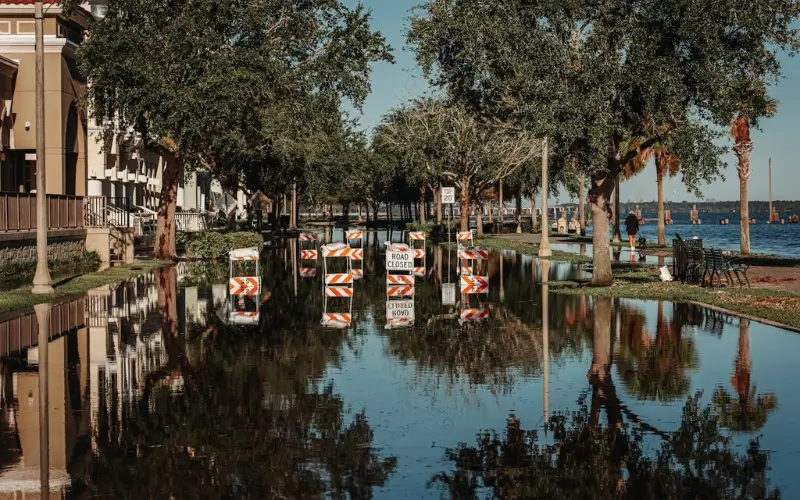
Water damage can strike without warning, turning your property into an emergency situation in a matter of minutes. Burst pipes, severe flooding, storm damage, or a malfunctioning appliance, any of these can introduce water where it doesn’t belong, threatening both structural integrity and health safety. Understanding how professionals systematically restore properties helps homeowners and business owners navigate this challenging experience with greater confidence. The restoration process isn’t random; it follows a carefully structured methodology designed to minimize damage, prevent secondary issues like mold growth, and efficiently return properties to their pre-loss condition. When you know what’s happening at each stage, the entire ordeal becomes less overwhelming.
Emergency Contact and Initial Assessment
The restoration journey begins the moment you spot water damage and pick up the phone to call professionals. Here’s the thing about water intrusion: time isn’t just important, it’s absolutely critical. Damage doesn’t just sit still; it escalates exponentially with each passing hour. Professional restoration teams typically show up within hours of your emergency call, ready to assess the situation immediately.
Water Extraction and Removal
Once the assessment wraps up, the immediate priority shifts to removing standing water from your property. Professional-grade extraction equipment makes this process far more effective than anything you could manage with household wet vacuums or mops. Restoration technicians bring in powerful truck-mounted or portable extraction units that can remove hundreds of gallons per minute. When there’s deep standing water, submersible pumps handle the heavy lifting, while specialized extractors tackle water that’s trapped in carpeting, padding, and other porous materials.
Drying and Dehumidification
After extraction, the drying phase kicks off using industrial-grade equipment strategically positioned throughout affected areas. High-powered air movers create airflow across wet surfaces, promoting rapid evaporation of moisture from materials. At the same time, commercial dehumidifiers pull moisture from the air, preventing it from being reabsorbed by building materials and creating the optimal drying environment. This phase typically takes several days to complete properly, depending on how extensive the damage is and which materials are involved.
Cleaning, Sanitizing, and Deodorizing
Water damage restoration goes way beyond simply removing water and drying things out. Contaminated water brings bacteria, pathogens, and other harmful substances that demand professional cleaning and sanitization. When dealing with severe water intrusion events, professionals who work with a certified water damage restoration company apply antimicrobial treatments to affected surfaces, preventing microbial growth and eliminating health hazards. All restorable items, furniture, textiles, documents, personal belongings, undergo appropriate cleaning procedures based on their materials and contamination level. Different surfaces call for different specialized techniques: upholstery cleaning for furniture, dry cleaning for delicate fabrics, and more abrasive methods for hard surfaces. Deodorization treatments tackle persistent odors that water damage creates, using everything from air scrubbers with activated carbon filters to thermal fogging and ozone treatments. Sometimes items simply can’t be adequately cleaned or sanitized, and in those cases, they need to be disposed of according to safety guidelines. This phase ensures your restored environment isn’t just dry, it’s genuinely safe and healthy for you to occupy again.
Restoration and Reconstruction
The final phase involves repairing and rebuilding damaged structural elements and finishes to restore your property to its pre, loss condition. Minor repairs might mean replacing sections of drywall, installing new carpeting, or repainting affected areas. More extensive damage calls for significant reconstruction efforts like rebuilding walls, replacing flooring systems, or renovating entire rooms. Restoration professionals coordinate with contractors, electricians, plumbers, and other specialists as needed to complete comprehensive repairs. This phase also presents valuable opportunities to implement improvements that help prevent future water damage, things like upgrading plumbing systems, improving drainage, or installing water detection devices. Quality restoration work seamlessly integrates new materials with existing structures, making it virtually impossible to identify where damage occurred. Throughout this process, detailed documentation continues for insurance purposes, ensuring all repairs are properly recorded and justified.
Conclusion
Understanding these five critical steps in the water damage restoration process empowers property owners to make informed decisions during emergency situations. Each phase builds naturally upon the previous one, creating a comprehensive approach that addresses immediate damage while preventing long-term complications. Professional restoration teams bring specialized equipment, technical expertise, and systematic methodologies that significantly improve outcomes compared to DIY approaches. While water damage undeniably creates stress and disruption, following this proven process ensures properties can be thoroughly restored to safe, healthy, and functional conditions. Acting quickly and engaging qualified professionals remains your most effective strategy for minimizing damage, controlling costs, and achieving successful restoration outcomes.