A motorcycle crash can leave two stories behind. One may come from the rider, another from the driver, and neither version alone may show what happened. Fault is built from facts that can be checked, compared, and placed in order. For riders in El Paso, traffic signals, vehicle movement, witnesses, and camera footage may matter. An El Paso motorcycle accident lawyer may review details to assess how fault is presented in a claim. The key is looking past assumptions and giving each piece of evidence its place.

Yes, a Lawyer May Help Prove Fault
A motorcycle accident lawyer may examine facts that support or challenge a claim about responsibility. This can involve reviewing accident reports, photographs, vehicle damage, witness accounts, video footage, and other records. The goal is to compare the information and see whether it forms a consistent account.
In El Paso, TX, this review may include details about the road, traffic controls, nearby vehicles, and conditions surrounding the collision. The strength of a claim depends on its facts and law, so professional analysis may be needed.
How Is Fault Examined After a Motorcycle Accident?
Reconstructing What Happened
A useful starting point is putting the accident into a clear sequence. The review may consider where each vehicle was traveling, which lane each vehicle occupied, direction of travel, traffic signals, turns, speed, braking, and the point of impact. These details can show what happened before the collision.
Comparing Different Accounts
People involved in a crash may remember events differently, while witnesses may describe the event from another angle. Comparing these accounts with physical evidence can reveal where information agrees or where questions remain. A difference does not prove that one person is wrong, but it can show why review may be needed.
Reviewing Available Records
Records can add details people may not remember. A police report may include statements, officer observations, citations, and a scene description. Medical records can document reported injuries and treatment. Photographs, repair records, and insurance documents can add facts that help create a fuller picture.
Factors That May Help Support Fault
Several types of information may be useful during a fault investigation:
- Traffic violations: Running a red light, failing to yield, or making an unsafe lane change may become relevant if supported by evidence.
- Distracted driving: Phone use or another activity that takes attention away from driving may be examined.
- Vehicle movement: Speed, braking, turning, following distance, and sudden movements can help explain the collision.
- Road conditions: Signs, signals, construction, pavement, visibility, and traffic flow may affect what happened.
- Vehicle damage: The location and type of damage can provide information about the impact.
- Witness accounts: People who saw the crash may provide details not available from the drivers.
- Video evidence: Dashcams, traffic cameras, and security systems may show vehicle movement or road conditions.
Evidence Can Matter More Than Assumptions
A strong statement does not always make it a complete account. A driver may describe the crash one way, while a photograph, witness, or video may show another detail. Looking at the evidence together can show which facts are supported and which points need more investigation.
Video can be useful if it captures the seconds before a collision. Traffic signals, lane positions, turns, and vehicle movements may be easier to assess from footage than memory. However, footage is not always available, and its value depends on what it actually records.
Why Motorcycle Crashes Can Raise Different Questions
Motorcycles are smaller than many other vehicles, which can create questions about visibility and driver awareness. Lane position, turning movements, following distance, and interactions at intersections may need close attention. El Paso roads can also present different traffic and roadway conditions depending on the location, so the crash setting may form part of the review.
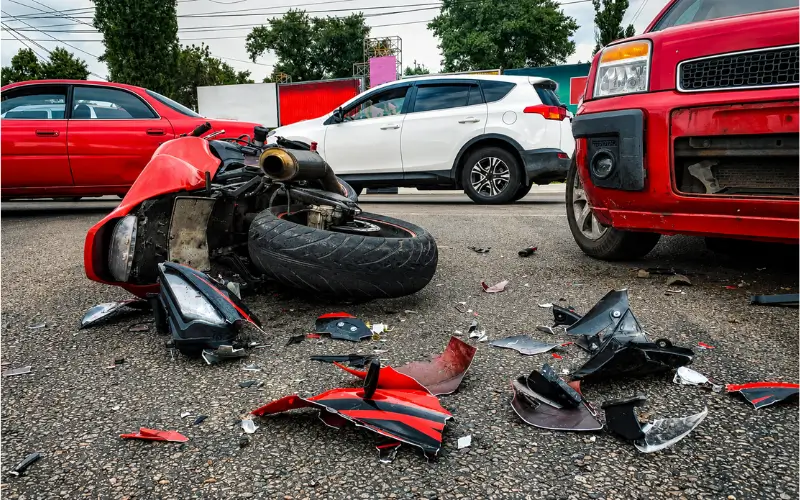
The motorcycle may provide useful physical evidence. Photographs of damaged parts, the impact location, and other visible marks can be compared with the reported sequence. These details should be viewed together because fault depends on the complete set of facts.
A Clearer Picture Starts With the Available Facts
Proving fault after a motorcycle accident is rarely about finding one perfect piece of evidence. It is more often about putting several facts together and seeing whether they support the same account. Police records, photographs, witness statements, video, vehicle damage, and roadway details can each add part of the picture.
For someone dealing with a crash, reviewing the available information with an El Paso motorcycle accident lawyer may help identify which facts need closer professional analysis. Each accident is different, so conclusions depend on its evidence and circumstances before any conclusion about responsibility is reached.