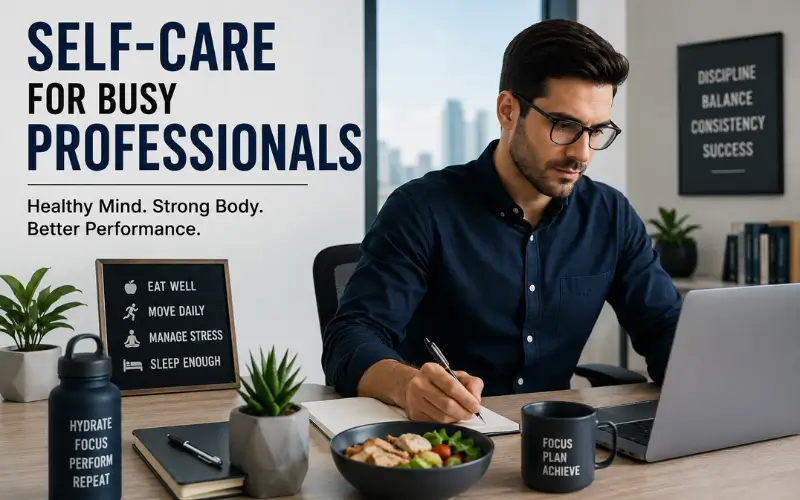
There is no denying that the last decade has brought drastic changes to the workplace. With the introduction of hybrid work schedules, remote work, digital workplace collaboration tools, AI, and technologies that allow us to always be connected, the way a large portion of the workforce around the world spends their working hours has transformed. While there are many conveniences with the aforementioned changes, there are also challenges to long-term employee wellness, many of which are just starting to be understood.
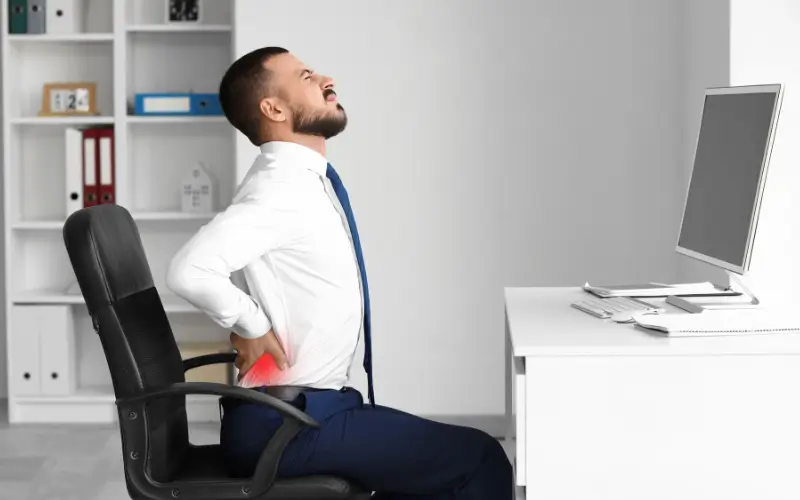
There are a variety of changes that have occurred in different work environments that are also having a negative long-term impact on wellness. Many people are spending 8 to 10 hours sitting at a desk and having few opportunities throughout the day to move and are instead, getting their work done through a series of virtual meetings. Looking at other work environments, there are people who are working in jobs that are causing them to stand all day, repeatedly lift heavy items, or maintain other physically demanding job positions. The long-term negative impact on the body is slowly being revealed with poor circulation, posture, joint stress and impact, poor sleep quality, increased stress, and poor overall wellness and physical performance.
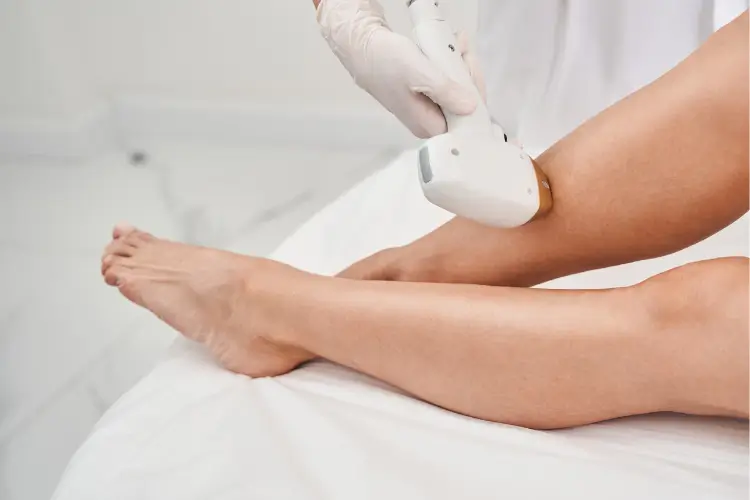
As poor circulation can sometimes signal an underlying vein condition rather than simple fatigue, individuals with persistent leg heaviness, swelling, or visible varicose veins may benefit from an evaluation by trusted New Jersey vein specialists to identify the cause early and discuss appropriate treatment options.
Work environments and the way we work are continuing to change and evolve. For this reason, the wellness offerings that are available to employees must also change to be in alignment with the changing work environments. Increasingly, both employees and employers realize the importance of proactively addressing employee wellness to avoid costly wellness issues and challenges that occur in the workplace.
The Modern Workplace Has Changed More Than We Realize
While technology has the ability to make work more efficient, there are downsides. For example, in an effort to make work more efficient, technology replaced tasks that required employees to walk or move to another office/department. The efficiency of technology comes at the cost of significantly decreasing employees’ daily physical activity.
Most employees start the day at a desk, spend the bulk of the day in virtual meetings, eat lunch at their desks, and end the day scrolling through their electronic devices. Most employees, including those with a regular exercise habit, are more sedentary than active.
Prolonged sitting is one of the modern-day office challenges that impacts several bodily systems.
As part of modern, proactive, preventive healthcare, the challenges of prolonged sitting and the hours between exercise need to be addressed.
Sedentary Habits Affect the Entire Body
Prolonged periods of inactivity lead to bodily adaptations that are unhealthy in the long-term. The changes lead to bodily and musculoskeletal discomfort and chronic fatigue.
Sitting or standing in the same position for extended periods leads to poor circulation. Healthy circulation relies on periodic movement to control blood flow and prevent pooling.
Remote Work Creates New Health Opportunities and Challenges
The biggest impacts of remote work on employee health are the changes to the work schedule and the reduction in travel time to and from work. Ergonomically designed home offices help employees avoid the negative impacts of prolonged sitting.
Some people are flexible in the locations where they choose to perform work that brings them the most income. Some will even set a temporary workstation with essentially no ergonomic support. Some people even become so engaged by work that they forget to stretch or to sit again and to walk about during the day.
Unlike a bricks and mortar office environment where employees will walk about to meeting rooms or speak and socialize with peers to execute work, remote work can greatly reduce the casual movement that occurs during work.
For physical health, it is imperative to construct some routines both to work and during leisure time.
Mental Well-Being Is Closely Connected
Physical health is not a full spectrum of what is called preventive health within the context of work. Burnout, stress, anxiety, and emotional exhaustion are becoming the norm.
Persistent stress is caused by notifications and work bleeding into life along with digital overwhelm. Of all the preventable health issues, stress most directly and negatively affects physical health.
Cortisol and other stress hormones begin to cause long term problems, rest and sleep become increasingly difficult, and a host of health problems including cardiovascular diseases begin to manifest.
For organizations concerned with employees’ health, the well-being and the enhanced productivity of employees is best achieved by integrating psychological and physical health.
Why Preventive Healthcare Matters More Than Ever
Most of the traditional health care systems are geared to treating health problems after the symptoms come to the attention of the patient.
Preventive health care begins to address health care problems by early identification of the symptoms and encouraging the adoption of healthy routines and habits. Eventually health care issues that are more complex to treat will be less likely to occur.
Care will be most effective if rest, sleep, and stress are less pervasive. Systematic evaluations or check-ins, adjusted routines, and physical health become fundamental to preventive health.
There is a measurable return on investment for employers who implement wellness programs. Less employees calling in sick leads to more employees achieving work goals. This also brings employees more job satisfaction along with employees requiring less of a financial drain on the health care system.
Overlooked Aspects of Circulatory Health
Of the multiple health issues linked to the problems associated with contemporary employment, circulatory health is perhaps one of the most unappreciated.
People who sit or stand for long hours may start to notice symptoms such as leg fatigue, ankle swelling, cramps at night, the feeling of leg heaviness, or the formation of varicose veins. Because these problems arise slowly, they are often dismissed as normal due to the demands of work or as a part of the aging process.
However, these may be the early signs of a condition known as chronic venous disease which is amenable to early assessment and intervention.
It is important to be aware of these symptoms so that they can be addressed before more serious conditions can develop.
Preventive Circulatory Health at the Workplace
The good news is preventive circulatory health at the workplace does not involve major changes to one’s health regimen.
Encouraging healthy blood circulation can be achieved through gradual and incremental changes to a person’s daily routine. These include standing, stretching and walking break, adjusting workplace ergonomics, and wearing supportive shoes.
The most important thing to remember is that these changes should be frequent and routine for maximal benefits.
When is a Professional Assessment Needed?
There are certain circulatory issues that cannot be solved by lifestyle changes and incremental improvements.
Symptoms such as swelling, heavy or aching legs, visible or changed skin over the leg or persistent leg discomfort should prompt the person to seek a professional assessment rather than waiting to see if the symptoms resolve.
Using advanced diagnostics such as duplex ultrasound, modern vein specialists are able to identify vein disorders unobtrusively with great accuracy. Many of these procedures are minimally invasive and have a short recovery time. The person can greatly benefit from improved comfort and quality of life after the procedure.
Seeking treatment early has the potential to stop the progression of symptoms. This, in turn, will enhance the patient’s mobility and their overall well-being.
Creating a Healthier Workday
Preventative healthcare will be the most efficient when it is a part of people’s routines, as opposed to using it as a goal to be achieved.
There are numerous simple habits that can be added to the workday, like having walking meetings, standing during work calls, preparing healthy lunches, using proper posture, and adding reminders to take breaks to stretch or walk and even adding time during the workday to exercise. These habits can have a positive impact on health even over the long term.
These habits can be complemented by adding flexible work breaks to incorporate movement and a positive workplace culture of supporting health with a focus on improving productivity.
Creating meaningful, impactful results can be achieved with simple habits and incremental changes over time.
Innovative Workdays
The workplace of the future is already becoming flexible and focused on digital interactions. Innovative health technologies that are focused on personal health and workplace wellness are already shifting how employers support workplace wellness. These digital innovations will create opportunities to transform how workplace focused technologies and health innovations are integrated to support wellness and health in the workplace.
There will always be a need to balance digital innovations with a focus on personal health along with preventive innovations and care. The focus should be to improve wellness within the workplace while also creating opportunities for continuous health evaluations. Emphasis should be placed on creating innovative workdays of the future.
Conclusion
Today’s work habits have fundamentally changed the way people engage with their work, and also the way people engage with their health, for the entirety of their lives. Remote work, long periods of sitting, excessive screen exposure, and stress all contribute to the precise type of unsustainable workplace demand that calls for new, innovative thinking in preventive healthcare like never before.
Many of the proactive steps to combat these demands on our health, however, stem from the most basic behavioral choices made on a daily basis to include. Frequent movement and exercise, a varied and balanced diet, a sufficient amount of sleep, active and intentional management of stress, the creation of healthy and balanced workplace ergonomics, and the attentive addressing of chronic or persistent health-related symptoms can be the building blocks of both a long, productive career and life.
Preventive healthcare must remain an ongoing and continuous component of the paradigm shift that is workplace evolution. Once the impact of modern-day work on the health of individuals is recognized, informed decisions protecting health and improving the quality of life can be made in the hope that achieving career goals does not come at the expense of one’s health.