Most major health conditions start off with petty, temporary symptoms. Minor swelling in the limbs after work, little fatigue, a small pressure while walking or repeated muscle cramps may not concern you. Since these symptoms usually develop over a long time, individuals often tend to ignore them as normal signs of the stress of living, old age or a busy lifestyle. But the body transmits warning signs, even usually undetectable ones, long before life-threatening illnesses occur. If we choose to ignore these early symptoms, health issues that can be taken care of easily can turn into long-term complicated and important problems in the years or months to come.
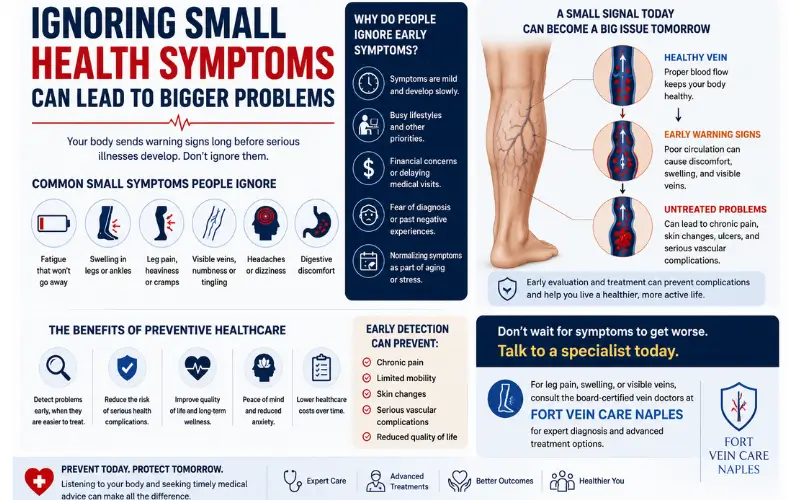
The focus of modern healthcare is shifting more towards prevention and early treatment, as early detection of any health problem can go a long way towards ensuring positive treatment outcomes and improving the quality-of-life. Looking for health assistance over something small, yet bothersome is not a pessimistic outlook. This, in turn, is not only indicative of a proactive stance on long-term wellness and the avoidance of complications that can become more complicated to manage later on?
It explains why putty symptoms really do matter, giving people the confidence to potentially live healthier lives and talk to their healthcare professional sooner with something that doesn’t feel right or has been going on for a while.
Why Do People Tend to Ignore Early Symptoms
A small health issue unnoticed is the graduality and inconsistency of its symptoms, one of the most cited reasons. The mild and relatively insignificant discomfort or fatigue is not an immediate impediment to carry on with daily life; thus, people might get used to the symptoms without being aware that a medical problem could be evolving below the surface.
Moreover, delayed healthcare is also due to modern lifestyles. Several choose work, family or even financial obligations over the regular medical checkups. Many people put off going to the doctor until symptoms are bad enough that it interferes with their daily life or ability to function normally.
Fear is another common factor. People are fearful of getting an unwelcome diagnosis and think that the only treatment options their doctor will recommend are big surgery or weeks off for recovery. Some may have had adverse healthcare encounters from the past that causes them not to want to go back seeking treatment.
It has the potential to also normalize some symptoms, most often those which are circulation-related, mobility-based or energy level associated. You may be suffering from leg pain, swollen legs, numbness/tingling or even visible veins but its then often just put down to the normal signs of aging/exhaustion when in fact they could be a symptom and need urgent investigation of your vascular system.
A Small Signal a Large Issue
Overnight, the body rarely develops severe medical issues. So much of this root illness is subclinical, it manifests as small changes that worsen through the years. For example, chronic fatigue may be associated with circulation problems, cardiovascular diseases or metabolic disorders. In all cases, developing edema in the vein of the legs speaks about vein disease or fluid retention problems that increase the overall load on blood vessels.
Symptoms of circulation-related signs can be evaluated nicely early in the process. Blood circulation is necessary to deliver oxygen and nutrients in the body so having a healthy blood flow. If your veins or arteries are not functioning properly it can lead to conditions where you experience feelings of heaviness in the legs, cramping sensations, and tingling in the legs; as well as visible varicose veins.
If circulation problems are not treated, they can develop and cause chronic pain, limited mobility, skin changes and serious vascular complications. Consultations at an early stage allow physicians to diagnose the underlying processes of degeneration prior to irreversible complications developing.
When it comes to health and wellness, though, we may not immediately think of digestive discomfort, headaches, persistent joint pain, or inexplicable fatigue as indicators of more significant issues. Having early diagnosis can be treated more effectively and avoid using aggressive methods later by the provider.
The Benefits of Preventive Healthcare
It emphasizes identifying and intervening to control health risks prior to the development of serious medical problems. Thanks to routine screenings, physical exams and early symptom assessment, doctors can find problems in their earliest stages when they are easier to cure.
The main benefit of preventive care is that it helps decrease long-term complications. These conditions like diabetes, hypertension, vein disease and cardiovascular disorders can be well controlled when treated in early stages. But neglecting treatment could potentially exacerbate these conditions and negatively impact multiple aspects of health.
Preventive care is also a positive step towards our mental health. Perpetuity of symptoms with no explanation causes anxiety or uncertainty in many people. Consulting a medical professional can not only provide comfort but also assist patients gain better insight into their health.
Preventive care is easier and less intimidating than it has been in the past due to advances in modern medicine. Several treatments that used to need traumatic surgical procedures are now possible with partaking approaches with less recovery time and minimal pain.
Patients with circulation concerns might want to visit the board-certified vein doctors at Fort Vein Care Naples for a consultation in order to learn about the underlying cause of leg pain, swelling or other vein-related complications and possible solutions specifically designed to promote better vascular health.
Why Did Early Treatment Lead To The Best Recovery?
Getting treated sooner rather than later can go a long way in alleviating the impact. After all, the conditions diagnosed when they are young tend to be easier to handle since less damage has happened in the body by then. Early treatment can alleviate pain, increase mobility, and prevent symptoms from interfering with daily life.
For instance, vein pathology treated in the early stages can play a major role in restoring healthier circulation before chronic swelling, skin changes or ulcerations occur. Likewise, early identification of problems with joints or muscles may prevent chronic pain and disability.
Without a doubt, early intervention can cut down healthcare costs. Preventing diseases before these progress to complications will frequently necessitate less surgical procedures, medication and recovery time. Reduce financial burden as well as physical stress associated with cancer care.
The third key benefit is preserving independence and enjoyment. Ongoing pain or tiredness may slowly impact a person’s quality of life from being active, comfortable at work and participating in social activities. By addressing symptoms as they arise, individuals can preserve their mobility and quality of life.
Promoting an Active Approach to Well-Being
Altering mindsets on healthcare is crucial when it comes to stopping continual sickness. Human beings tend to only visit health personnel when symptoms are too much, whereas preventive care puts you in a better mental state in terms of the fact that it drags you into the world of being health conscious and not crisis management.
At a more organic level this is simply listening to the body. Do not dismiss mild symptoms with solid finger syndrome because those symptoms are persistent, worsening or impacting day-to-day life. By talking openly with their healthcare providers, individuals can understand what causes their symptoms and what treatments are available sooner.
Prevention is also affected considerably by lifestyle habits. Long lived women and men regularly exercised, ate healthy foods, drank the appropriate amount of water, managed stress, and received annual medical checkups to minimize or avoid chronic disease.
Conclusion
The body often tells us that something needs fixing by first sending small health symptoms. It’s easy to dismiss mild discomfort or fatigue, but putting off seeing a doctor may allow an underlying condition to develop and become more serious and complicated.
The primary focus of preventive healthcare and early intervention is to identify issues long before they become serious or otherwise threaten quality of life. Whether the symptoms involve circulation, mobility, energy levels or several manifestations of chronic discomfort, seeking for timely medical treatment leads to better recovery and a more long-standing health.
Modern medicine still supplies safer, more effective and less invasive treatment options that make early therapy easier than ever before. Being aware of those tiny differences and looking for any early signs, patients will take a more proactive approach in improving their health and comfort, leading to an overall better quality of life for years.