
Here’s something that might keep you up at night: a bad hire can cost your company roughly 30% of that employee’s first-year salary. That’s not just a number to throw around at management meetings, it’s real money walking out the door. As businesses scramble to secure top talent in what’s become an increasingly tricky employment landscape, thorough candidate screening isn’t just important anymore. It’s absolutely essential. Think of effective screening as your company’s insurance policy. It shields you from potential risks while making sure new team members actually mesh with your organizational values, bring the skills they claim to have, and add something positive to your workplace culture. When you really understand how comprehensive talent screening works, you’re not just filling positions, you’re actively shaping your company’s trajectory.
The Essential Components of Background Screening
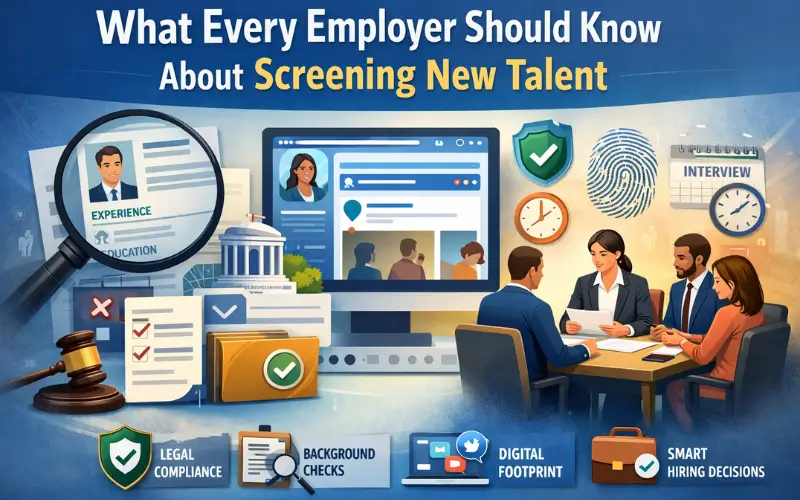
Building a solid background screening process is kind of like assembling a puzzle where every piece reveals something important about your potential hire. Criminal background checks sit at the foundation, helping you spot candidates whose past might raise legitimate safety or security concerns for your workplace. Then there’s employment verification, your reality check against resume embellishment. This step confirms whether candidates actually held the positions they’ve listed and prevents you from falling for resume fraud that’s become surprisingly common.
Legal Compliance and Fair Hiring Practices
Navigating employment screening laws can feel like walking through a minefield blindfolded. The Fair Credit Reporting Act doesn’t mess around, it sets strict rules about obtaining consent before running background checks and requires you to notify candidates if screening results lead to adverse decisions. The Equal Employment Opportunity Commission keeps a close watch too, ensuring your screening criteria actually relate to job requirements and aren’t just arbitrary hoops that inadvertently discriminate. Ban-the-box laws in many areas have changed the game by restricting when you can ask about criminal history, typically keeping those questions off initial applications to give everyone a fair shot.
The Growing Importance of Digital Footprint Analysis
Today’s digital world has handed employers a new screening tool that simply didn’t exist a generation ago. Professional networking platforms tell stories about career progression, skill validations, and professional networks that either support or contradict what’s on someone’s resume. Public social media profiles can reveal communication styles, personal values, and behavior patterns that signal whether someone will thrive in your culture or create friction. When you’re evaluating candidates for roles requiring solid judgment and cultural alignment, HR professionals who need to assess online behavior increasingly rely on a social media background check to identify patterns that traditional screening methods might miss. Content people create online, blog posts, articles, portfolio work, showcases genuine expertise and thought leadership that interviews alone might not capture. The tricky part? Balancing thorough research with respecting privacy boundaries. You’ll want to focus on publicly available information and job-relevant concerns rather than digging into protected characteristics that have no business influencing your hiring decision. Smart employers establish clear policies defining acceptable online behavior and ensure their screening criteria serve legitimate business interests rather than subjective preferences.
Timing and Integration Within the Hiring Process
When you conduct screening activities matters almost as much as the screening itself. Run preliminary checks early, and you’ll weed out obviously unsuitable candidates before burning time and money on extensive interviews. Extending conditional job offers, pending successful background check completion, protects everyone’s interests while showing good faith to candidates. Taking a staggered approach makes financial sense too: conduct basic verifications first, then save the expensive or time-intensive checks for finalists who’ve proven themselves through multiple interview rounds.
Red Flags and Decision-Making Criteria
Here’s where screening gets nuanced. Interpreting results isn’t about applying rigid rules that automatically disqualify candidates, it requires actual judgment. Employment gaps might reflect legitimate life circumstances like caring for family members, dealing with health issues, or pursuing additional education rather than signaling poor work ethic. A minor criminal offense from years ago, especially one completely unrelated to the job at hand, might warrant considering what the person has done since then rather than holding their past against them indefinitely.
Conclusion
Comprehensive talent screening isn’t just another HR checkbox, it’s a critical investment in your organization’s future. When you implement thorough yet legally compliant screening practices that cover traditional verifications, digital footprint analysis, and thoughtful evaluation frameworks, you’re setting yourself up to make genuinely informed hiring decisions. The employment screening landscape keeps evolving, which means you can’t just set policies and forget about them. You need ongoing education about legal requirements, technological capabilities, and best practices that balance necessary due diligence with treating candidates fairly. Organizations that prioritize strategic screening while respecting candidate privacy and dignity don’t just avoid problems, they build stronger teams, slash turnover costs, and create safer, more productive work environments that fuel long-term growth. That’s not just good HR practice; it’s smart business.