Your knees carry you through various daily activities. Whether it be walking, standing or even sitting. So, what happens when you feel a dull aching pain in your knees.
Nowadays, knee pain is considered to be the most common of all joint pain. Even doing daily activities will feel like a burden when you are dealing with constant arching knee pain.
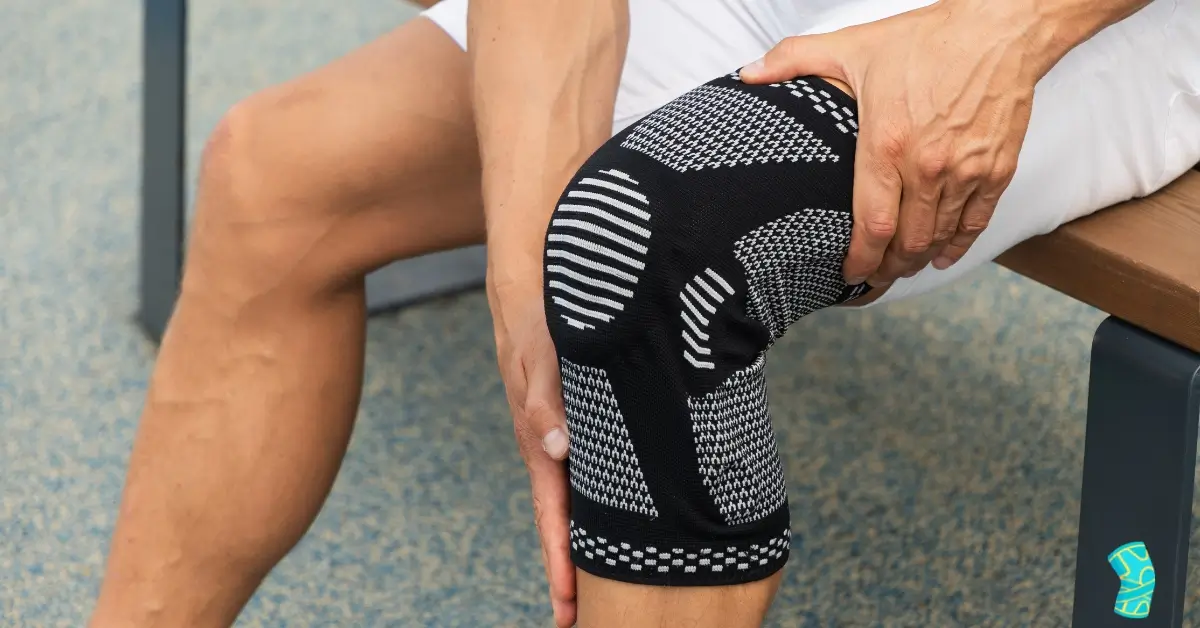
Sometimes your knees in day to day life are signalling you for a little extra care. Most people reach for the most common support available. It is a knee cap. Its simple, soft and stretchy aid that glides over the area for some stability.
But, when should you wear a knee cap? How will you know if you need it or not? Let’s understand with this blog.
What Is The Knee Cap?
A supportive aid designed to provide stability, reduce strain and help in the recovery of knee related conditions. A knee cap is a supportive aid which is commonly also called knee sleeves or knee brace.
6 Major Benefits Of Knee Cap You Must Know
1. Essential Support and Stability
The knee cap offers essential support and stability required for recovery. A knee cap holds the joint firmly and limits its excessive movement.
2. Reduces Pain and Swelling
A knee cap improves blood circulation to the affected area. It noticeably reduces swelling and pain with proper use.
3. Improves Stability in Movement
A knee cap serves as a safety gear. It reassures protection and support. It gives flexibility and improves your range of motion, so that you can stay active and pain free.
4. Aids in Post Surgery Recovery
Rehabilitative knee cap works by providing targeted compression. It supports a quick post surgery recovery. Thus, it helps patients regain strength for movement.
5. Prevents Injuries
A knee cap is recommended for conditions like sprains, ligament tears or overextension. It keeps the joint aligned and supported.
6. Suitable for Wide Age Group
It helps to provide mild support to everyone who uses it. Whether you’re young or graciously getting old, a right knee cap can help you with the discomfort you’re experiencing. They are sleek and thin which makes them suitable to be worn under clothing.
Who Should Use A Knee Cap?
● People with Mild Arthritis
Early stages of arthritis show mild stiffness and swelling in the morning. A knee cap can make daily movement comfortable by keeping the joints warm and compressed.
- People who stand or sit for prolonged hours
People who stand or sit for long duration are more prone to develop knee issues. Sitting or standing can limit the blood flow to the lower body parts. The gentle squeeze helps fluid to drain out of the knee.
- People with active lifestyle
Even if no injury is there, regular squatting or heavy lifting might cause knee pain. Knee caps protect the knees during heavy squats, running or jumping during workout sessions.
- People with dull and aching pain
If you observe any swelling along with swelling, it can be due to knee injury. You can use a knee cap along with treatment to ease it. It provides comfort during long walks or long work shifts.
- People recovering from old injuries
Knee caps provide gentle support to the recovering knees. It helps the knee feel more stable during everyday movements.
Signs You Might Need a Knee Support
- Pain around the front
If you feel sharp or dull pain around the kneecap during daily movements.
- Joint instability
If your knee feels weak and loose to walk or even stand on uneven surfaces.
- Stiffness
If you notice stiffness around the kneecap after sitting, walking or doing light tasks.
- Noises
If you hear clicking or popping sounds and feel the joint lock when you bend or straighten your leg.
- Stairs and squatting trouble
If it hurts when you climb stairs, squat or try to stand up from a low level chair.
When A Knee Cap Isn’t Enough
- Knee gives out
If your leg wobbles when you walk, you might need a stronger brace or medical care
- Joint locks up
If your knee locks up and does not fully straighten, a piece of cartilage might be torn inside
- Severe swelling
If your knee swells up after an injury, you might have a serious internal tear
- Pain at night
If your knee hurts badly while you rest or sleep, it’s not ideal for a simple sleeve
- Visible deformity
If your knee looks bent or leaned, the bone might be broken or dislocated
- Weak muscles
A sleeve cannot strengthen weak leg muscles, which you must fix with special exercises.
Final Thoughts
A knee cap is a preventive and supportive aid. Many people use it to simply stay ahead of swelling, pain and stiffness. It helps to maintain a healthy lifestyle with proper use. For those looking for the best knee cap for pain relief, it can be an affordable and effective supportive aid for light stabilization of the knees.
You can wear it for your everyday workouts, dull aches and stiffness. If your knee feels less dependable, a knee cap may provide the support you need. However, it isn’t a replacement for professional treatment of an injury or health issue.
Listening to your body’s needs and giving it the right support is crucial in this journey. By understanding whether or not you need a knee cap based on signs and symptoms, you can make a more informed choice.