Every country has developed distinctive footwear traditions influenced by culture, climate, history and craftsmanship. Many of the styles of shoes that are recognisable globally today originate from these regional influences, bearing a direct influence on contemporary footwear.
Timeless Silhouettes and Traditional Craftsmanship: The Italian Approach to Shoes
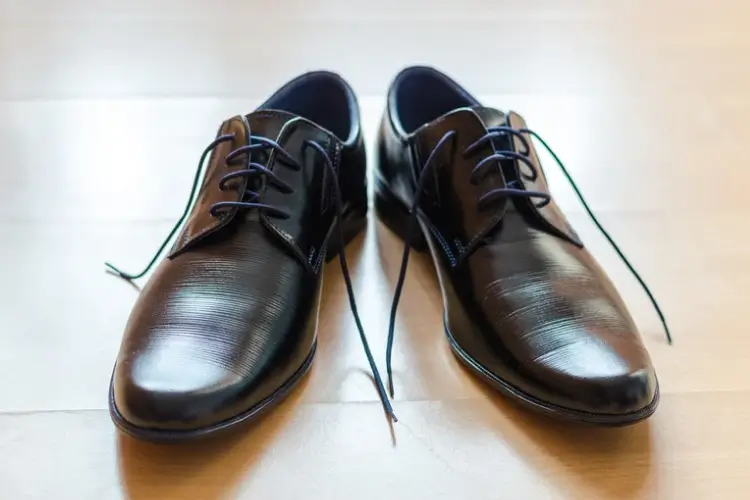
Italy has been long-regarded as one of the world’s leading destinations for luxury footwear. Rather than adhering to contemporary fast fashion trends, Italian footwear is largely defined by its timelessness, often portrayed through classic silhouettes, premium leather, and an overall image of sophistication that will stand the test of time.
Italian footwear often finds the perfect balance between classic and modern design elements, where classic proportions are often combined with contemporary finishes – for instance, a sleek leather loafer with a colored sole, or a modern print.
Additionally, Italian shoes are often renowned for their craftsmanship, where many shoes are still produced using traditional artisan techniques that have been refined over centuries, passed down between generations. This often acts as an explanation for the ‘luxury’ aspect of Italian shoes, where the most intricate processes are applied to the shoemaking process, such as hand-stitching or finishing, thus allowing the most high-end materials, such as premium leather, to be maximised to its very best, resulting in the highest standard of shoe.
Even in a modern landscape, in the wake of technological advancements, the likes of Girotti fuse traditional Italian artisan processes with modern innovations such as a digital 3D configurator, allowing the customer to envision their custom shoe prior to purchase.
A Touch of Boldness: Spain’s Influence on Footwear
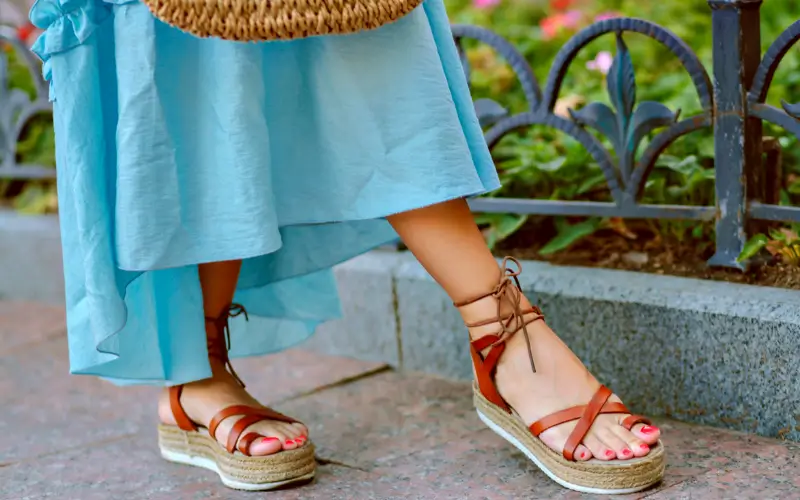
Whilst Italian footwear is often understated, Spanish shoe design holds a slightly bolder reputation, often embracing color, texture and a generally more relaxed style. Arguably, the most famous Spanish contribution to footwear is the espadrille, which is traditionally crafted using a woven jute sole. Whilst initially designed to be a practical everyday shoe within Spain’s warm climate, the espadrille is a perfect example of a shoe that has exceeded borders, and is now a fashion staple on an international scale.
This is a great example of how a traditional shoe has transcended its original function and is now largely interchangeable, whether it be with a wedged sole, displaying some sort of novelty design, or even incorporating different materials such as leather or suede.
Beyond the espadrille, Spanish footwear is notably characterized by the embrace of color, texture and craftsmanship, where rather than relying solely on understated designs, Spanish shoemakers are known to incorporate woven materials, contrasting fabrics and vibrant color palettes that reflect the country’s warm climate and Mediterranean lifestyle. Arguably, this is why Spanish footwear has remained so relevant in contemporary fashion, where by combining traditional methods with more playful design elements, a shoe that balances practicality and individuality is created.
Heritage Designs That Stand the Test of Time: English Footwear
British footwear has a strong reputation as a timeless, practical option, initially designed for a specific function, but remaining largely fashionable long after their original purpose has been fulfilled.
The Chelsea boot is a key example of British footwear that has exceeded its initial purpose, where its side panels were incorporated into the shoe as a means of access, making it easier for shoes to be slipped on and off. Whilst the Chelsea boot still remains to be practical, it can be argued that the accessibility of the shoe is not a driving force behind contemporary wearers’ purchasing decisions. What began as a practical innovation for ease of wear has now transformed itself into a timeless wardrobe staple that is largely versatile. The Chelsea boot can be worn in all sorts of environments, whether it be to match smart or casual dress, boasting a versatility that exceeds its original purpose.
This emphasis on practicality is a defining element of British footwear, where rather than relying on bold colors or design features, as we saw with Spanish shoes, for example, many traditional English shoes are recognisable due to their clean silhouettes, understated detailing and broad versatility, meaning they can be paired with an abundance of difference styles or wardrobe choices.
It is the enduring appeal of British shoes, prioritising versatility and longevity, that makes British design so popular on a global scale, where it often proves to be a worthwhile investment that exceeds a seasonal choice.
Conclusion
From the elegance of Italy, to the boldness of Spain, and the practicality of Britain, each country brings its own influence to the world of shoes. It is these influences that continuously inspire contemporary footwear, allowing classic elements to evolve alongside modern innovations and technologies.
By drawing inspiration from different cultures and their respective influences on shoes on a global scale, today’s footwears reflects centuries of craftsmanship, cultural references, and often, a story that exceeds the shoes function in today’s world.