Winter conditions push vehicles harder than any other season. Cold temperatures thicken fluids, weaken batteries, and place additional strain on mechanical and electrical components. What may feel like a sudden breakdown is often the result of small issues made worse by freezing conditions. Proactive winter maintenance reduces the risk of getting stranded and helps your vehicle perform reliably even during extreme cold. Tools such as a car battery charger can be especially helpful for maintaining electrical health when temperatures drop and starting demands increase.
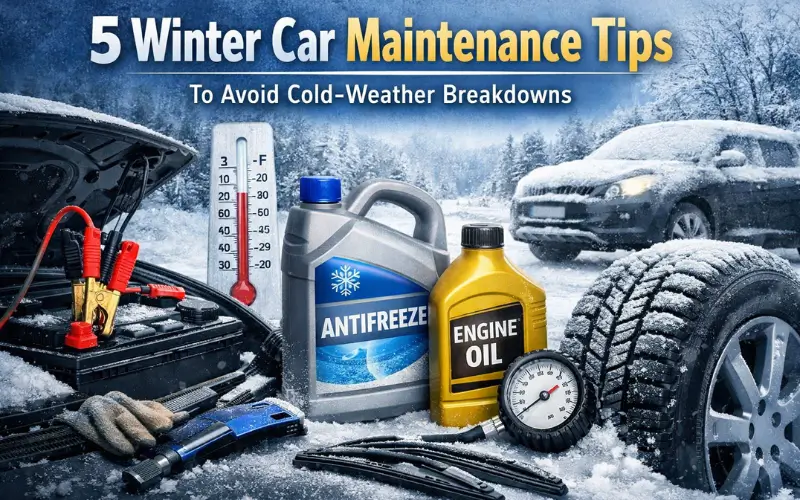
Understanding how winter affects your vehicle and taking a few preventive steps can significantly reduce cold-weather failures and improve safety throughout the season.
How Cold Temperatures Stress Vehicle Components
Cold weather impacts nearly every system in a vehicle. One of the most affected components is the battery. Low temperatures slow chemical reactions inside the battery, reducing its ability to deliver power. At the same time, engines require more energy to start because internal components resist movement when cold. This imbalance is a leading cause of winter no-start situations.
Fluids are another major concern. Engine oil thickens in cold weather, increasing resistance during startup and placing extra strain on the battery and starter. Transmission fluid and power steering fluid also become more viscous, reducing responsiveness until the vehicle warms up.
Cooling system components are stressed as well. Rubber hoses become less flexible, increasing the risk of cracks or leaks. Coolant must maintain the proper mixture to prevent freezing while still allowing efficient heat transfer. Components such as the water pump are especially critical, as failure can quickly lead to overheating even in cold conditions.
Cold temperatures also affect drivetrain components. Transmission systems rely on precise fluid flow and pressure to operate correctly. In freezing conditions, delayed shifts or sluggish engagement may occur until the system warms. Vehicles equipped with an automatic transmission are particularly sensitive to fluid condition during winter driving.
Electrical systems beyond the battery also experience increased stress. Wiring, sensors, and control modules rely on stable voltage. Cold-induced voltage drops can cause warning lights, inconsistent operation, or delayed system responses.
Tires lose pressure as temperatures fall, reducing traction and increasing rolling resistance. Underinflated tires also place additional strain on suspension and steering components, compounding winter wear.
Even heating and defrost systems are affected. Cold weather increases demand on blower motors, heaters, and defrost systems. Weak components that worked adequately in warmer months may struggle to keep up during winter.
Simple Checks That Prevent Winter Failures
Preventing winter breakdowns starts with battery care. Testing battery health before cold weather sets in helps identify weak batteries early. Maintaining a full charge is critical, especially for vehicles that sit unused for extended periods. Using a battery charger during prolonged cold spells helps prevent deep discharge and extends battery life.
Inspecting battery terminals and cables is equally important. Corrosion increases electrical resistance, which becomes more problematic in cold conditions. Cleaning terminals and ensuring tight connections improves power delivery during cold starts.
Fluid inspections should be part of any winter checklist. Engine oil should match manufacturer recommendations for winter viscosity, allowing proper flow during cold starts. Transmission fluid should be checked for proper level and condition to ensure smooth operation in low temperatures.
Cooling system checks are another essential step. Coolant should be tested to confirm proper freeze protection and corrosion resistance. Inspect hoses for brittleness or swelling, as cold weather can cause sudden hose failures if deterioration is already present.
Tire pressure checks should become routine in winter. Cold air reduces tire pressure overnight, often triggering warning lights. Maintaining proper inflation improves traction, braking, and fuel efficiency while reducing uneven tire wear.
Heating and defrost systems should be tested before winter driving becomes routine. Ensuring strong airflow and consistent heat output improves visibility and cabin comfort. Weak airflow or inconsistent temperature may indicate blower or control issues that should be addressed early.
Belts and pulleys should also be inspected. Cold temperatures reduce rubber flexibility, increasing the likelihood of cracks or slippage. A worn belt that survives summer driving may fail quickly in winter conditions.
Short driving habits should be considered as well. Frequent short trips don’t allow the engine or battery to fully warm up, accelerating wear. Taking occasional longer drives helps recharge the battery and circulate fluids more effectively.
Finally, paying attention to early warning signs is crucial. Slow starts, unusual noises, delayed shifting, or warning lights should be addressed immediately. Cold weather magnifies minor problems, turning small issues into roadside emergencies if ignored.
Conclusion
Winter driving places increased stress on batteries, fluids, and mechanical systems, making preventive maintenance essential for avoiding cold-weather breakdowns. Low temperatures reduce efficiency while increasing demand across multiple vehicle systems. By understanding how winter affects your vehicle and performing simple checks—such as battery care, fluid inspections, and system testing—drivers can significantly improve reliability. Proactive winter maintenance not only prevents unexpected failures but also enhances safety, comfort, and confidence throughout the coldest months of the year.