Property disputes rank among the most emotionally charged and complex legal conflicts in the realm of real estate law. These contentious situations can emerge from various circumstances, affecting homeowners, commercial property holders, and land investors alike. The emotional and financial stakes run particularly high when dealing with properties that hold personal significance or substantial monetary value.
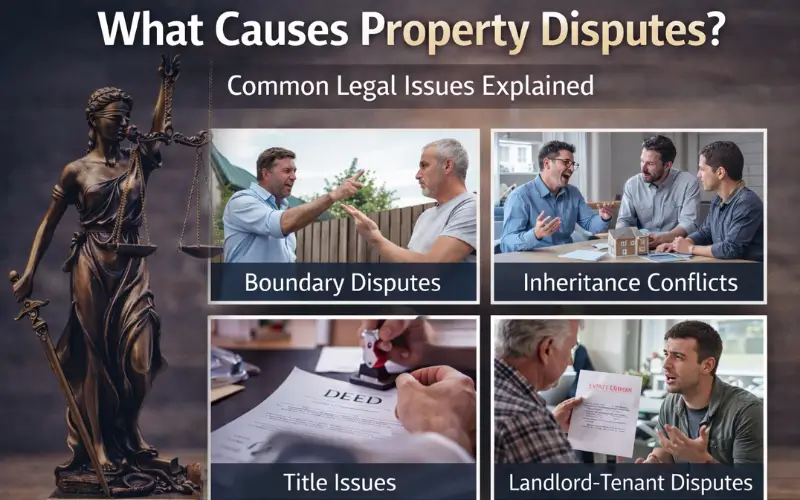
Here are some potential causes of property disputes.
Boundary Line Disagreements
Property line disputes emerge as one of the most prevalent sources of neighbor conflicts, particularly in established residential areas where documentation might be outdated or incomplete. These disagreements frequently surface during property improvements or modifications. A homeowner’s plans to install fencing, landscape their yard, or construct additions can unexpectedly trigger heated debates about property boundaries. The situation becomes more complex in areas where natural landmarks have shifted over time or where original property markers have disappeared. Boundary disputes often involve more than just the physical demarcation of land; they frequently encompass issues of access rights, easements, and shared maintenance responsibilities. The emotional investment in one’s property can transform these boundary discussions into deeply personal conflicts, affecting neighborhood relationships and property enjoyment.
Inheritance and Estate Distribution Conflicts
The intersection of property ownership and family inheritance creates particularly challenging situations in real estate law. The passing of a property owner may catalyze complex disputes among potential heirs, especially when valuable real estate assets are involved. These conflicts often stem from unclear or contested will interpretations, leading to prolonged legal battles that could strain family bonds. The complexity increases when multiple properties need distribution among several heirs, each with their own expectations and emotional attachments. Some situations involve informal promises made during the owner’s lifetime that conflict with formal written instructions, creating additional layers of discord. Estate distribution disputes frequently extend beyond mere property division to encompass family dynamics and other things. Some people may contact the Keystone Law Group, for example, when navigating this.
Title Defects and Ownership Challenges
Title-related issues represent some of the most serious threats to property ownership security. These problems can surface unexpectedly, years after a property purchase, creating significant legal and financial complications for current owners. Title defects manifest in various forms, from simple clerical errors in property records to more complex issues involving undisclosed heirs or previous owners. The discovery of improperly recorded deeds, missing signatures, or incorrect legal descriptions can cast doubt on ownership rights and create obstacles for future property transfers. Hidden liens or encumbrances might emerge, imposing unexpected financial obligations on property owners who believed their titles were clear.
Landlord-Tenant Disagreements
The dynamic relationship between landlords and tenants creates fertile ground for property disputes. These conflicts often center around interpretation and enforcement of lease terms, maintenance responsibilities, and financial obligations. Security deposit disputes represent a common source of contention, with disagreements arising over the definition and extent of property damage versus normal wear and tear. Maintenance issues frequently escalate when expectations and responsibilities remain unclear, or when communication breaks down between parties. The timing and quality of repairs, pest control measures, and property improvements often become points of contention. Eviction proceedings represent particularly challenging situations.
Zoning and Land Use Conflicts
Land use regulations and zoning restrictions play a crucial role in property disputes, affecting how owners can utilize their properties. These conflicts arise when property owners’ intended uses clash with local zoning ordinances or when changing regulations impact existing property rights. Disputes often emerge over property modifications, business operations in residential areas, or development plans that neighbors oppose. The complexity of these conflicts increases in areas with historical preservation requirements or environmental protection zones. Property owners frequently find themselves navigating between their desired property uses and community interests, leading to challenging negotiations with local authorities and neighboring property owners. Variance requests, which seek exceptions to established zoning rules, might ignite passionate resistance from surrounding property owners. These neighboring residents express valid concerns about potential impacts on their property values and quality of life. The variance process reveals the inherent tension between property development rights and the preservation of neighborhood character. Local zoning boards must carefully weigh individual property rights against broader community interests when considering these requests.
Conclusion
Property disputes emerge from identifiable sources. The causes of property disputes may be of importance to you.