Most businesses are usually not able to remain visible in the local markets. Online messages can also be missed or ignored, whereas digital ads can be crowded.
A campaign with a wider area without specific targeting also makes it more difficult to reach the correct households. Consequently, companies require an effective means of putting the appropriate information close to potential customers.
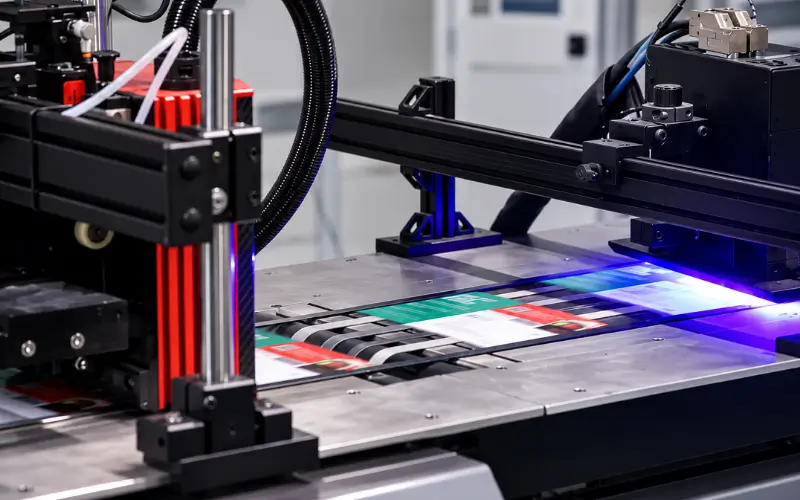
Direct mail printing services have the capability to do so by offering geographic targeting, valuable offers, and tangible materials that can be stored by recipients. The appropriate data and printing processes allow you to customize campaigns to certain neighborhoods, customer groups, or local prospects. You can also track responses and use the results to improve future campaigns.
These features make direct mail printing useful for reaching local audiences. The following six points explain how direct mail printing services can help businesses reach local customers more effectively.
1. Target Local Customers with Precise Mailing Lists
A local campaign starts with identifying the customers you want to reach and where they are located. Direct mail printing services can use customer and address data to create mailing lists based on specific locations, helping you focus your message on the households that matter to your campaign.
This assists you in avoiding sending the same message to all addresses in a broad service area. CSS-certified address processing and presorting can also be part of the direct mail workflow to facilitate accurate postal preparation.
As an illustration, you may target neighborhoods around a new store, former customers within a specific radius, or households that meet specific demographic profiles. A more focused list could make your campaign more targeted and minimize the amount of unwarranted mail.
The quality of the address also has significance since faulty information may result in undelivered pieces. Better implementation of the campaign at its start can thus be facilitated by standardization and postal checks.
2. Personalize Mail Pieces for Local Audiences
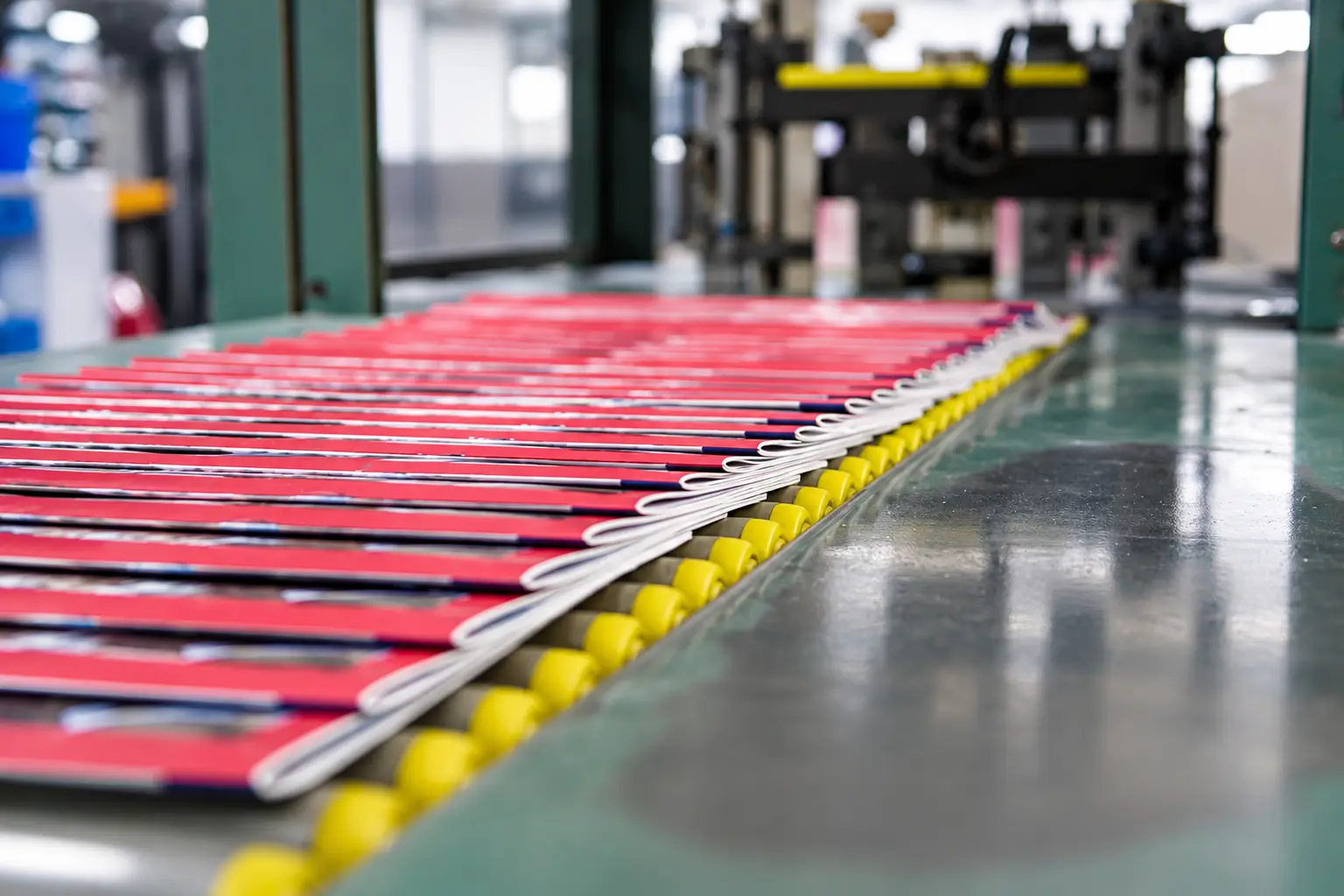
Location can tell you where customers live, but personalization can help you make the message more relevant. Variable data printing allows different information to appear on individual pieces within the same campaign. That information can include names, offers, images, messages, or QR codes.
You can use this capability to adjust a message for different customer groups. A restaurant could promote a neighborhood-specific offer, while a service business could tailor messages based on previous interactions.
Personalization does not require producing every piece separately. Instead, variable data technology can combine different content with a common campaign design during one production run.
This approach can make local mail feel more specific to the recipient and give each segment a clearer reason to respond. It also allows you to maintain a consistent campaign design while changing selected details for different audiences.
3. Create High-Impact Printed Marketing Materials
The format of your mail piece affects how easily people can understand and act on your message. A simple postcard may work well for a short promotion, while a self-mailer, letter package, insert, or dimensional mailer may provide more space for information. Direct mail printing can accommodate different formats based on the purpose of your campaign.
You can therefore choose a format that matches your local marketing goal. A retail business may use a postcard to promote a seasonal event. A healthcare organization may need a letter with supporting information. A local nonprofit may use a more detailed mailer for a fundraising appeal.
Print quality also matters because text, images, colors, and finishing need to remain clear and consistent. Selecting the appropriate format and production method can help your message communicate its main point without making the recipient work to understand it.
4. Reach Customers Through Targeted Geographic Campaigns
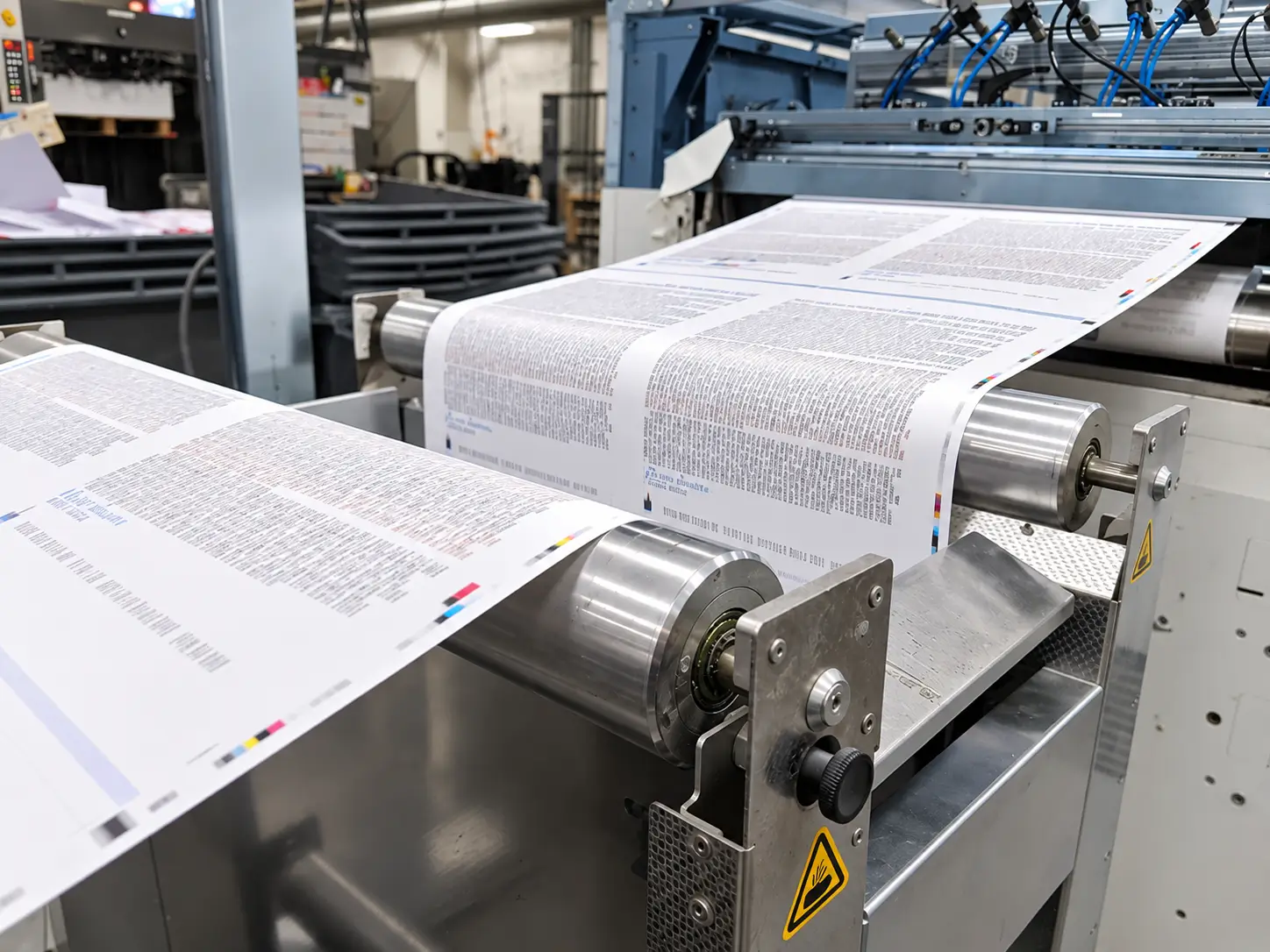
Geographic targeting helps you focus a campaign on the places that matter most to your business. Instead of mailing across an entire city or region, you can define areas based on neighborhoods, service zones, customer locations, or other geographic criteria.
This can be particularly useful when your business serves customers within a limited travel distance. For instance, a home services company may focus its campaign on communities within its normal service area. A local retailer may target households near a physical location. A venue may promote an upcoming event to people in surrounding areas.
You can also combine geographic targeting with customer data to create more specific segments. This gives you greater control over who receives the message and where the campaign is concentrated. Geographic targeting is also part of the broader marketing capabilities associated with direct mail campaigns.
5. Coordinate Printing and Mailing in One Workflow
Local outreach involves more than producing attractive mail pieces. Files need to be prepared, addresses need to be processed, pieces need to be printed and finished, and mail must be sorted and prepared for delivery. Managing these steps separately can create extra coordination work and increase the chance of delays.
A full-service direct mail workflow can bring these stages together. The production process described by the client includes prepress and design preparation, printing, mail sorting and preparation, delivery coordination, fulfillment, and tracking.
This type of workflow can make campaign management easier because the production and mailing stages are connected. It can also help maintain consistency between the approved design, printed pieces, mailing data, and final delivery.
For recurring local campaigns, a structured workflow can make it easier to repeat the process and adjust it as needed. You can also choose digital or offset printing based on the quantity and requirements of the campaign.
6. Measure Local Campaign Performance More Effectively
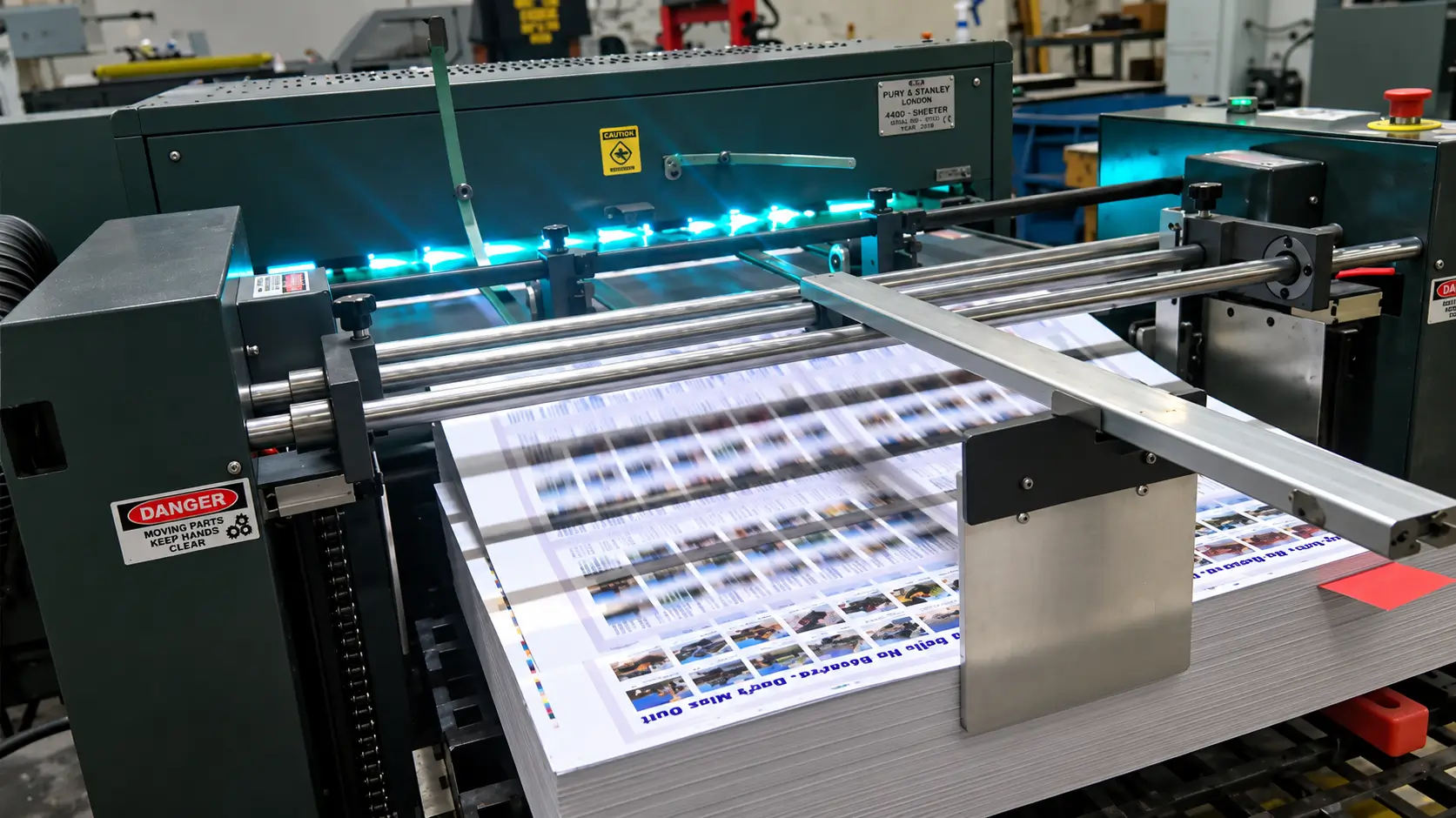
Reaching local customers is only part of a successful campaign. You also need to understand whether the mail generated a response. Tracking and reporting can help you compare campaign results and identify areas for improvement.
Post-campaign reporting may include information such as deliverability, bounce rates, and response metrics. You can use these results to review which mailing areas, audience segments, offers, or formats performed better within your campaign.
Direct mail can also work alongside digital channels. For example, a printed piece can include a QR code or personalized URL that directs recipients to an online page. Direct mail retargeting and IP targeting can further connect physical mail with digital follow-up.
This combined approach gives you more opportunities to understand how recipients interact with your campaign. Over time, those insights can help you adjust audience selection, messaging, timing, and campaign design for future local outreach.
Conclusion
Reaching local customers requires more than sending a message to every address in an area. You need accurate audience data, relevant messaging, suitable print formats, and a process that supports reliable delivery.
Direct mail printing can bring these elements together while allowing you to focus campaigns on specific geographic areas and customer segments. Personalization can make each piece more relevant, while reporting can help you understand campaign response.
By combining targeted mailing with thoughtful design and measurable follow-up, you can build a more structured approach to reaching nearby customers and improving future local marketing efforts.