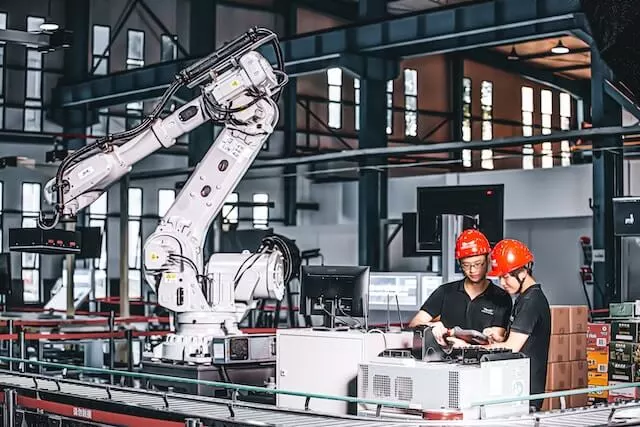
Today’s professional environments demand efficiency, adaptability, and smart resource management. Whether you work in healthcare, education, manufacturing, or corporate settings, having the right workplace essentials can dramatically transform how you accomplish daily responsibilities. The modern workspace has evolved beyond traditional desk setups, requiring flexible solutions that accommodate various work styles and tasks. Employees who have access to proper workplace tools report higher job satisfaction, reduced physical strain, and improved productivity levels. Organizations that invest in quality workplace essentials often see reduced error rates and enhanced employee retention. Understanding which items truly make a difference helps businesses allocate resources effectively while supporting their workforce’s needs.

Mobile Workstations for Enhanced Flexibility
The ability to bring your work to where it’s needed most has become increasingly valuable across numerous industries. Mobile workstations provide professionals with the freedom to access technology, tools, and resources at various locations throughout their facility without being confined to a single desk. Healthcare professionals can update patient records at bedside, warehouse managers can track inventory directly on the floor, and educators can facilitate interactive learning in different classroom zones. When managing multiple locations throughout a facility, professionals who need to access digital systems while moving between departments rely on computer carts on wheels for seamless workflow continuity. These versatile solutions typically feature sturdy construction to withstand daily movement while protecting valuable equipment.
Ergonomic Seating Solutions
Proper seating represents one of the most critical workplace essentials for maintaining employee health and preventing long-term physical issues. Quality ergonomic chairs provide adjustable lumbar support that maintains the natural curve of the spine, reducing back pain and preventing posture-related problems. Adjustable armrests, seat height, and tilt mechanisms allow users to customize their seating position for optimal comfort throughout extended work periods. Many modern ergonomic chairs incorporate breathable mesh materials that promote air circulation and prevent overheating during long hours of use.
Organizational Systems and Storage Solutions
Maintaining an organized workspace directly impacts efficiency, stress levels, and the ability to locate critical items quickly. Professional storage solutions keep documents, supplies, and equipment systematically arranged and easily accessible when needed. Filing systems with clear labeling eliminate time wasted searching for important papers, while drawer organizers prevent small items from becoming lost or scattered. Mobile storage carts allow teams to transport frequently used supplies between different work areas without multiple trips.
Quality Lighting and Display Technology
Proper illumination and clear visual displays are fundamental workplace essentials that significantly affect productivity and eye health. Inadequate lighting causes eye strain, headaches, and fatigue that diminish work quality and employee comfort throughout the day. Task lighting with adjustable brightness levels allows workers to customize illumination based on specific activities and personal preferences. Natural light exposure supports circadian rhythms and improves mood, while reducing reliance on artificial lighting during daytime hours.
Communication and Connectivity Tools
Effective communication infrastructure forms the backbone of productive workplace operations in our connected world. Reliable internet connectivity enables seamless collaboration, quick information access, and efficient completion of digital tasks. Quality headsets with noise cancellation allow professionals to conduct clear conversations in busy environments without distraction or miscommunication. Wireless connectivity options provide flexibility to work from various locations while maintaining access to essential networks and resources. Video conferencing equipment facilitates remote collaboration with colleagues, clients, and partners regardless of geographic location. Shared digital workspaces enable real-time document collaboration, reducing delays from version control issues and email chains. Investing in robust communication tools prevents workflow interruptions, supports hybrid work arrangements, and ensures teams remain connected and productive regardless of physical location.
Conclusion
Equipping your workplace with essential tools and resources creates an environment where employees can perform at their best while maintaining comfort and efficiency. The five categories of workplace essentials discussed, mobile workstations, ergonomic seating, organizational systems, quality lighting and displays, and communication tools, address fundamental needs across diverse professional settings. Organizations that thoughtfully invest in these essentials demonstrate commitment to employee wellbeing while building foundations for operational excellence. As workplace demands continue evolving, regularly assessing and updating these essential elements ensures your team remains competitive, healthy, and productive. The return on investment in quality workplace essentials extends beyond immediate productivity gains to include long, term benefits like reduced turnover, fewer workplace injuries, and enhanced company reputation as an employer of choice.