
Eco-friendly renovation often focuses on insulation, energy-efficient appliances and sustainable building materials. However, the plumbing system can have an equally important effect on a home’s environmental performance. Water-efficient fixtures may reduce daily consumption, but lasting savings depend on the entire system, including pipe layout, leak prevention, hot-water delivery and component durability.
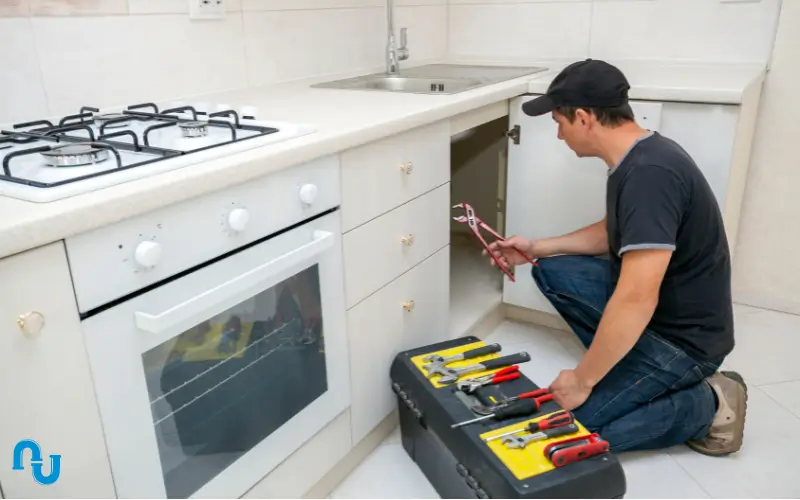
When planning a sustainable renovation, homeowners should look beyond the visible faucets and consider how water moves through the property. The following plumbing upgrades can help reduce waste, improve efficiency and lower long-term maintenance requirements.
Install Water-Efficient Fixtures
Replacing older fixtures is one of the most straightforward ways to reduce household water use. Modern low-flow faucets, showerheads and toilets are designed to use less water while maintaining practical pressure and performance.
Useful upgrades may include:
- Low-flow showerheads with pressure-compensating technology
- Faucet aerators for kitchens and bathrooms
- Dual-flush or high-efficiency toilets
- Water-saving kitchen faucets
- Efficient dishwashers and washing machines
When selecting fixtures, homeowners should check recognised efficiency ratings rather than relying only on product labels such as “eco-friendly” or “low-flow.” A fixture that uses less water but delivers poor pressure may encourage longer showers or repeated rinsing, reducing the intended savings.
It is also important to confirm that valves, supply lines, fittings and water pressure are compatible with the new fixtures. Water-saving performance depends on the plumbing system as a whole, not just the parts that remain visible after installation.
Prevent Leaks Before They Waste Water
Small plumbing leaks can continue unnoticed for months. A dripping faucet, worn toilet flapper or loose pipe connection may appear minor, but the accumulated water loss can be substantial.
During a renovation, inspect accessible plumbing for:
- Corroded valves and fittings
- Damaged supply lines
- Loose threaded connections
- Ageing toilet components
- Moisture around cabinets, walls and floors
- Unexplained pressure changes
Renovation work often exposes pipes that are normally hidden behind walls or beneath floors. This creates a valuable opportunity to replace unreliable components before surfaces are closed again.
Quarter-turn shut-off valves can also make future repairs easier. When individual fixtures can be isolated quickly, a small maintenance issue is less likely to require shutting down the home’s entire water supply.
For replacement valves, fittings, tubing and installation components, homeowners and contractors can review plumbing supplies available from PlumbingSell.
Shorten Hot-Water Pipe Runs
Water is frequently wasted while occupants wait for hot water to reach a faucet or shower. The longer the distance between the water heater and the fixture, the more cooled water must leave the pipe before hot water arrives.
An eco-friendly renovation provides an opportunity to improve the plumbing layout. Where practical, kitchens, bathrooms and laundry areas can be positioned closer together or closer to the water heater. Grouping water-using rooms reduces pipe lengths and can improve both water and energy efficiency.
Other options include:
- Relocating the water heater to a more central position
- Installing a properly designed hot-water recirculation system
- Using demand-controlled recirculation rather than continuous circulation
- Insulating hot-water pipes
- Selecting appropriately sized pipes for each fixture
Oversized hot-water lines hold more water and may increase waiting times. However, pipes should not be reduced without considering flow requirements, pressure loss and local plumbing codes. A qualified plumber can help determine the correct pipe size and routing.
Add Water Monitoring and Automatic Shut-Off Protection
Smart water monitoring systems can help homeowners understand how much water they use and identify unusual flow patterns. Depending on the system, monitoring devices may provide real-time consumption data, detect continuous leaks and send alerts to a mobile device.
Some systems can automatically shut off the main water supply when they detect a major leak. This feature can reduce water waste while also limiting damage to flooring, cabinets, drywall and personal belongings.
Monitoring is particularly useful in renovated homes with finished basements, concealed pipework or areas that are not inspected regularly. Point-of-use leak sensors can also be placed near washing machines, water heaters, dishwashers, sinks and toilets.
Technology should complement rather than replace good plumbing practices. Sensors may identify a leak, but reliable fittings, correct installation and accessible shut-off valves help prevent the problem in the first place.
Choose Durable Plumbing Components
Sustainable renovation is not only about reducing immediate consumption. It also involves selecting materials that are likely to remain reliable for many years.
Prematurely failed valves, fittings or connectors create material waste, labour costs and the risk of water damage. Durable plumbing components can reduce the need for repeated replacement and help maintain system efficiency over time.
When selecting products, consider:
- Compatibility with the pipe material and connection method
- Pressure and temperature ratings
- Corrosion resistance
- Certifications for potable-water use
- Manufacturer installation requirements
- Accessibility for future maintenance
Mixing incompatible fittings or using incorrect connection methods can lead to leaks even when each individual product appears suitable. For example, PEX expansion, crimp, clamp, press and push-fit systems use different installation procedures and may require specific tools and fittings.
A dependable system begins with correctly matched components. A broad range of plumbing fittings, valves and installation supplies can help contractors and homeowners plan complete connections rather than purchasing fixtures in isolation.
Consider the Entire Plumbing System
An efficient faucet cannot compensate for a hidden leak, an unnecessarily long hot-water line or a poorly installed fitting. The best water-saving results come from treating the plumbing system as an interconnected network.
During an eco-friendly renovation, combine efficient fixtures with practical pipe routing, leak-resistant connections, accessible shut-off valves, water monitoring and durable materials. These changes may be less visible than a new sink or shower, but they can have a greater effect on long-term water use.
By designing the system carefully from the beginning, homeowners can conserve water, reduce energy consumption and create plumbing that remains efficient well after the renovation is complete.