Pedestrians have little protection when a vehicle strikes them, and the injuries can change their lives in seconds. A serious car accident may leave a pedestrian with broken bones, head injuries, spinal damage, or a long recovery. Medical bills, lost income, and daily challenges can quickly become overwhelming. Understanding the available legal options can help injured pedestrians protect their rights, seek compensation, and make informed decisions while recovering.
Understanding Pedestrian Accident Claims
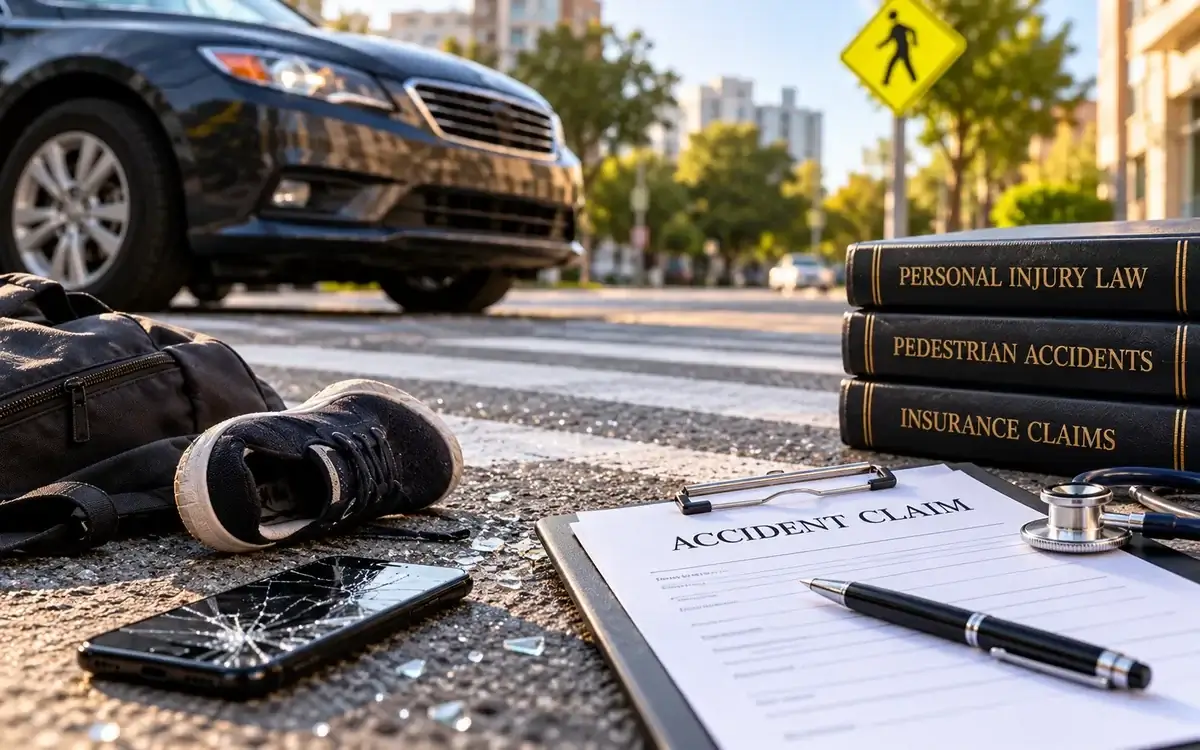
Pedestrian accident claims focus on determining who caused the collision and who may be legally responsible for the resulting injuries. Drivers must exercise reasonable care, watch for pedestrians, and follow traffic laws. A driver may be responsible for an accident caused by speeding, distracted driving, failing to yield, or ignoring a traffic signal.
However, liability is not always straightforward. Poor visibility, unsafe road conditions, defective traffic signals, or the actions of multiple parties may contribute to a collision. Investigating these factors helps establish what happened and whether another party’s conduct caused or contributed to the injuries.
Pedestrians may still have legal options when a driver disputes responsibility. The available remedies depend on the evidence, insurance coverage, and laws that apply to the claim.
Seek Medical Care and Document Your Injuries
Medical attention should be the first priority after a pedestrian collision. Some injuries, including internal bleeding and traumatic brain injuries, may not cause obvious symptoms immediately. Prompt medical evaluation can identify hidden problems and create records connecting the injuries to the accident.
Following medical advice also helps document the extent of the harm. Keep copies of hospital records, prescriptions, diagnostic reports, rehabilitation plans, and medical bills. Record symptoms that affect sleep, mobility, concentration, or everyday activities.
These documents can help establish the treatment required and the financial impact of the injuries. They may also support a claim for future medical expenses when ongoing care is necessary.
For additional information about pedestrian risks and prevention, the National Highway Traffic Safety Administration’s pedestrian safety resources explain common crash factors and safety measures.
File an Insurance Claim Against the Responsible Driver
One common legal option is filing a claim against the responsible driver’s auto insurance policy. If the evidence supports the pedestrian’s claim, the driver’s insurer may be required to pay covered losses, subject to applicable law and policy limits.
Compensation may include emergency treatment, hospital stays, medication, rehabilitation, lost wages, reduced earning capacity, pain, emotional distress, and certain long-term care expenses. The types of recoverable damages depend on the circumstances and governing law.
Insurance companies usually investigate the collision before deciding whether to accept a claim. They may review accident reports, request medical records, interview witnesses, and question how the injuries occurred.
An initial settlement offer may not account for future treatment or lasting physical limitations. Before accepting an offer, injured pedestrians should understand what it covers and whether signing a release would prevent them from pursuing additional compensation.
Consider a Personal Injury Lawsuit
When insurance negotiations fail to produce a reasonable resolution, an injured pedestrian may be able to file a personal injury lawsuit. This option may be appropriate when the driver disputes fault, the injuries are severe, or the parties disagree about the value of the claim.
A personal injury case generally requires evidence that the defendant owed a duty of care, breached that duty, and caused injuries resulting in compensable losses. Relevant evidence may include photographs, accident reports, witness statements, medical records, and expert opinions.
Filing a lawsuit does not automatically mean the case will go to trial. Many claims settle during negotiations or other stages of the legal process. However, preparing a case carefully can help an injured person respond to disputes over liability and damages.
Legal deadlines are important. Missing the applicable filing deadline may prevent a person from pursuing compensation in court. Understanding the time limit early can help protect the right to take legal action.
An insurer may argue that a pedestrian contributed to the accident by crossing outside a marked crosswalk, entering the roadway unexpectedly, or disregarding a traffic signal. These allegations do not automatically eliminate the right to seek compensation.
The effect of shared responsibility depends on the evidence and the applicable legal rules. Some jurisdictions reduce compensation according to the injured person’s percentage of fault. Others impose restrictions that may prevent recovery in certain circumstances.
For example, if a pedestrian is found partly responsible, the compensation available may be reduced under the relevant legal system. The exact outcome depends on the facts and governing law.
Injured pedestrians should not assume that they have no claim simply because the driver or insurer alleges shared fault. Reviewing the evidence can help clarify responsibility and identify the legal options that remain available.
Explore Uninsured and Underinsured Motorist Coverage
Sometimes, the responsible driver has no insurance or insufficient coverage to pay for the pedestrian’s injuries. In these situations, other insurance options may be available.
Uninsured or underinsured motorist coverage may provide compensation when the policy terms and applicable law allow it. Although this coverage is commonly associated with drivers, certain policies may also protect pedestrians, depending on the wording and the injured person’s relationship to the insured individual.
A household auto insurance policy or another applicable policy may provide an additional source of recovery. Reviewing available coverage can help identify options when the responsible driver cannot cover the losses.
Because insurance terms vary, pedestrians should review the relevant policies before assuming that no coverage is available.
Preserve Evidence After the Collision
Strong evidence can make a significant difference in a pedestrian injury claim. Details become harder to verify over time, so preserving available information is important.
Photographs of the accident scene, vehicle damage, traffic signals, crosswalks, and visible injuries may help explain how the collision occurred. Witness names and contact information can also be valuable. An official accident report may contain details about the drivers, road conditions, and initial findings.
Surveillance footage and vehicle camera recordings may provide additional evidence. Some recordings are automatically deleted, so prompt requests to preserve them may be necessary.
Keep receipts, employment records, medical bills, and notes about missed workdays or changes to daily activities. These records can help demonstrate the financial and personal effects of the accident.
Understand the Value of Legal Representation
A pedestrian injury claim may involve insurance negotiations, disputed liability, medical evidence, and estimates of future losses. A personal injury attorney can review the circumstances, identify potentially responsible parties, and explain the available legal options.
An attorney may gather records, communicate with insurance adjusters, calculate damages, and negotiate a settlement. If negotiations fail, legal counsel can explain whether filing a lawsuit is appropriate.
Before hiring an attorney, ask about fees, case expenses, communication, and the expected process. Some personal injury attorneys handle eligible cases on a contingency fee basis, meaning their fees depend on the recovery under an agreed arrangement. The specific terms should be reviewed carefully.
Legal representation cannot guarantee a particular outcome, but it may help injured pedestrians understand the process and avoid mistakes that could weaken their claims.
Know the Deadlines for Legal Action
Personal injury claims are generally subject to statutes of limitations, which set deadlines for filing lawsuits. These deadlines vary depending on the governing law, the defendant, and the circumstances of the accident.
Different requirements may apply when a government entity is involved. Certain claims require special notices within shorter periods. Waiting too long can also make it harder to locate witnesses and preserve important evidence.
Seeking legal guidance early can help an injured pedestrian understand the applicable deadlines and avoid losing the opportunity to pursue compensation.
Take the Next Step Toward Recovery
Pedestrians injured in serious collisions may have several legal options, including filing an insurance claim, reviewing available uninsured motorist coverage, or pursuing a personal injury lawsuit. The right approach depends on the evidence, injury severity, available insurance, and applicable law.
Seeking medical care, preserving records, documenting financial losses, and understanding legal deadlines can help protect an injured person’s interests. When responsibility is disputed or injuries have lasting effects, consulting a qualified personal injury attorney can help clarify the next steps.
Taking timely action allows injured pedestrians to make informed decisions, preserve important evidence, and focus on recovery while understanding their available legal remedies.