
Haircuts are more than just a beauty ritual—they are essential for healthy hair. Whether you have long flowing locks or a chic short cut, knowing how often should you get a haircut women depends on your hair goals, type, and lifestyle. Regular trims help prevent split ends, promote growth, and maintain your hairstyle.
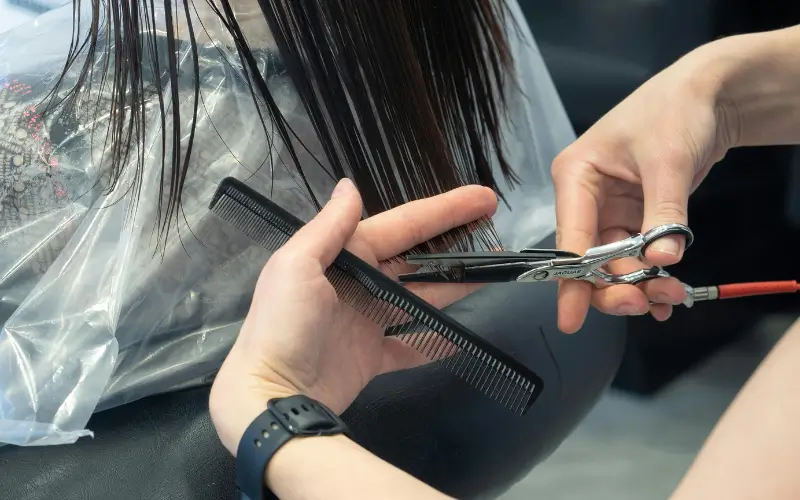
This comprehensive guide explores the recommended trimming schedules for different hair lengths, tips for keeping your hair healthy, and expert advice on when to schedule your next haircut.
Why Regular Haircuts Matter
Even if you are growing your hair out, trimming it regularly is essential. Regular haircuts help:
- Prevent split ends from traveling up the hair shaft
- Maintain style and shape
- Reduce breakage and damage
- Keep hair looking healthy and shiny
By knowing when to cut your hair and understanding proper trimming frequency, you can enjoy longer, healthier hair while avoiding unnecessary damage.
Haircut Frequency for Short Hair
Short hairstyles, such as pixie cuts or bob cuts, require more frequent attention:
- Recommended schedule: Every 4–6 weeks
- Reason: Short hair loses its shape quickly, and even a small growth can alter the style
- Maintenance tips: Wash with gentle shampoo, avoid heavy heat styling, and use lightweight styling products
Short hair benefits greatly from consistent trims. If you let the hair grow beyond the recommended schedule, it can look messy and lose its intended shape. Incorporating a hair care routine for short hair ensures texture and shine remain intact between appointments.
Visiting a trusted hair salon in lone tree can help maintain your desired cut and provide personalized recommendations based on your hair type and goals.
Haircut Frequency for Long Hair
Long hair is often associated with lower maintenance, but it also needs regular attention:
- Recommended schedule: Every 8–12 weeks
- Reason: Long hair is prone to split ends and breakage if not trimmed regularly
- Maintenance tips: Condition regularly, avoid excessive heat, and use protective hairstyles
Maintaining long hair requires patience and commitment. A good hair maintenance routine for long hair includes moisturizing treatments, detangling gently, and minimizing chemical or heat damage. While long hair allows for more flexibility between haircuts, skipping trims for too long can lead to increased breakage and unhealthy-looking ends.
Factors Affecting Haircut Frequency
Several factors influence how often you should trim your hair:
Hair Type
- Straight hair: More prone to visible split ends, may need more frequent trims
- Wavy or curly hair: Can go longer between cuts, but still benefits from regular shaping
Hair Health
- Damaged or chemically treated hair requires more frequent trims
- Healthy hair may allow longer intervals between haircuts
Hair Goals
- If growing hair longer: Trim minimally to remove split ends
- If maintaining a style: Follow the haircut schedule to keep the shape
Lifestyle and Styling
- Frequent heat styling, swimming, or exposure to sun may necessitate more regular trims
- Protective measures, such as using heat protectants, can extend time between haircuts
Tips for Maintaining Healthy Hair Between Haircuts
Even with a proper haircut schedule, hair care between appointments is crucial:
- Moisturize Regularly: Use deep conditioning treatments weekly to keep hair soft and manageable.
- Gentle Brushing: Prevents breakage, especially for long hair.
- Minimize Heat Styling: Reduces damage and preserves hair strength.
- Protective Hairstyles: Braids, buns, and twists can reduce hair stress and split ends.
- Use Quality Hair Products: Choose shampoos, conditioners, and serums suited to your hair type.
A consistent hair care routine for long hair ensures that your locks remain vibrant and healthy until your next trim. For short hair, a hair care routine for short hair focuses on maintaining texture, volume, and style longevity.
How to Know It’s Time for a Haircut
Some signs indicate you need a trim sooner than planned:
- Split ends or fraying tips
- Hair tangling easily
- Loss of style shape
- Dry or damaged ends
Listening to these cues helps you prevent further damage and maintain healthy, strong hair. Learning how frequently to trim hair based on your hair type and lifestyle is essential to achieving long-term hair health.
DIY Trimming vs. Professional Haircuts
While minor trims at home are possible, professional haircuts offer several advantages:
- Precision cutting ensures clean, healthy ends
- Stylists can recommend the best haircut for your face shape and hair type
- Professional trims help avoid uneven lengths or accidental damage
For long-term results, scheduling an appointment at a hair salon in lone tree is the safest and most reliable way to maintain your hair’s health and appearance.
Hair Trimming Tips for All Hair Lengths
- Invest in Quality Scissors: Dull or cheap scissors can split hair.
- Trim Small Amounts: Even a half-inch trim can make a difference without sacrificing length.
- Follow the Natural Growth Pattern: Cuts that follow natural hair movement result in smoother, healthier hair.
- Schedule Consistently: Keeping a regular trimming schedule reduces the chance of damage.
Learning proper hair trimming tips ensures both short and long hairstyles remain fresh and stylish.
Summary
Understanding how often to cut hair depends largely on hair length, type, health, and personal goals. Short hair usually requires trims every 4–6 weeks, while long hair can last 8–12 weeks with proper care. Regular haircuts, combined with a solid hair maintenance routine, help keep hair strong, shiny, and healthy.
By following these guidelines and consulting professionals at a trusted hair salon in lone tree, you can ensure your hair remains vibrant and manageable. Whether you’re maintaining a sleek short cut or growing long, luxurious locks, consistent trims are a key component of healthy hair care.
FAQs
Q1: Can long hair go longer between haircuts than short hair?
A: Yes, long hair can typically go 8–12 weeks between trims, while short hair may require attention every 4–6 weeks to maintain its shape.
Q2: How do I maintain healthy hair between haircuts?
A: Follow a proper hair care routine, including gentle brushing, deep conditioning, protective styling, and minimizing heat exposure.
Q3: Is it safe to trim hair at home?
A: Minor trims are possible, but professional haircuts ensure even ends, proper technique, and overall healthier hair.