The durability, cost, and ethical considerations of faux leather, or pleather, contribute to its growing popularity in the design of modern bags and accessories. This material’s luxurious appearance and lower price point make it a go-to for designers. The fashion industry is moving in the direction of fabrics that are functional and stylish. Pleather offers a surface that is clean and polished and is capable of supporting a range of design features, such as defined lines, smooth corners, textured patterns, and intricate details.
Understanding the Rise of Pleather in Today’s Fashion Market
Modern consumers appreciate the uniqueness and efficiency that a material can provide. Faux leather is both creative and practical, as it can be used for a variety of products, from a well-structured handbag and soft backpack to a bold clutch and minimalist wallet. For designers of every skill level, an online fabric store makes sourcing quality materials significantly easier. This platform typically offers clear product details, high-resolution images, texture close-ups, and customer reviews, allowing buyers to compare colours, finishes, and durability before making a choice.
Benefits of Using Faux Leather in Modern Handbag and Accessory Design
For accessory design, faux leather offers flexibility in design choices and durability. Designers appreciate faux leather’s ability to retain shape and resist cracking and fading. Durability is especially important in the case of bags and other daily-use accessories. Faux leather’s moisture resistance is also valuable in maintaining the integrity and appearance of the bag over time.
Faux leather also comes in an enormous variety of styles and design possibilities. Faux leather can imitate the appearance of real leather, but can also have other finishes like metallic, matte, embossed, and printed. Designers have endless possibilities in their collections. Furthermore, faux leather is uniform in colour and thickness, allowing for a more seamless sewing process.
The cost of faux leather of all qualities is an important selling point. Faux leather allows for trendy designs at a more affordable price without sacrificing quality. This also allows for more risk-taking and especially benefits designers new to the industry.
The Role of Faux Leather in Contemporary Design
Contemporary designs for bags require advanced architectural visualization and technical cutting and folding. Faux leather responds well to more disciplined forms of construction, which enables designers to go for more daring outlines and sophisticated forms. These materials also allow for more luxury copying, as the handbags can retain sharp and profiled designs, as well as oval tips, without excessive loss of strength.
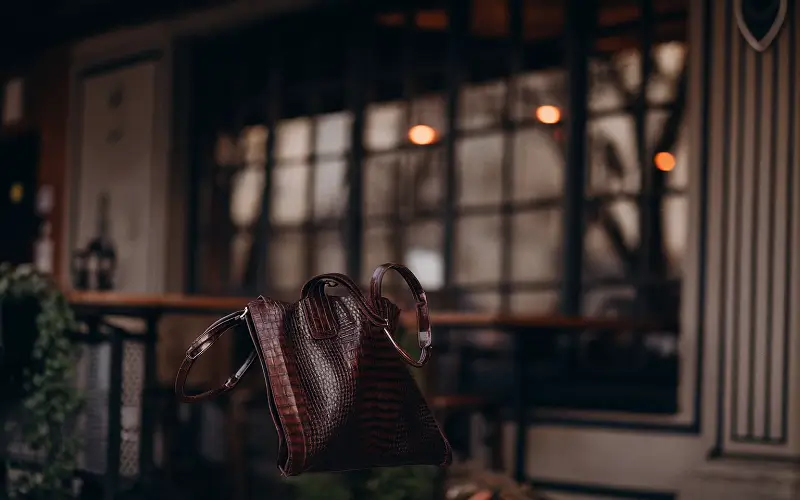
Even design accessories benefit from the additional visual hierarchy, albeit subtly, that a lively textured leatherette can offer, especially for more sophisticated designs that may require a mix and match of croc emboss and smooth mats. These variations in surface treatment allow designers to complement a more varied range of fashion design styles, from streetwear to more formal design additions.
Detail-oriented sophistication also finds an ally in the performance of leatherette. Its performance, when coupled with construction methodology, allows for decorative edging, topstitching, and a variety of stitched compositions that enhance the inner and outer structural durability while also maintaining a crafted work. It can also enhance panels.
Appropriate Selection of Leatherette for the Design Function
Each style of faux leather bag needs a different set of leatherette qualities. For the more boxy handbags, which also require the addition of more structured hardware like zippers, carrying aids, and other metallic fittings, a more structured leatherette needs to be selected. More flexible fabric, mid-weight pleather can be selected for slings and backpacks that require a softer, lined outer.
Designers think about backing fabric as well when choosing materials. Many faux leather fabrics for bags have knit, woven, and felt backings, each of which affects flexibility and strength differently. A reinforced backing is great for accessories that hold heavy items, while a softer backing is better for smaller everyday fashion items.
Thickness is an important consideration as well. Thicker pleather feels more premium, but more care is needed with stitching and strong needles. Lightweight pleather is easier to sew, but may need some stabilizing for more structure and control. These options give each designer a chance to personalize the overall feel and function of the finished piece.
The Role of Sustainable Practices in Faux Leather Production
Pleather has evolved alongside the increasing importance of sustainability in the fashion world. Many manufacturers are now working with cleaner production techniques as well as recycled polymers and low-impact dyes, which is especially helpful to shoppers in need of stylish bags that don’t contain animal products.
Modern faux leather is more durable than its predecessors, as well, which helps to reduce waste and encourage long-term use. Quality pleather helps to sustain a more closed-loop model of fashion as it’s durable, and bags remain in good condition for years of use.
Techniques for sewing Faux leather successfully
A few simple adjustments are necessary for sewing pleather. Using a non-stick or Teflon presser foot allows the fabric to glide smoothly under the sewing machine. To avoid perforating the pleather too much (which would weaken the seams), designers opt for longer stitches.
Control of heat is also important. Since pleather is easily damaged by high heat, pressing should be done prudently, with the use of a pressing cloth. To maintain a clean surface and avoid the pitfalls of sewing damaged pleather, these techniques should be used.
When crafting more structured bags, many designers incorporate stabilizers, foam sheets, or interfacing in the innermost layer. These internal materials help to keep the desired shape and also maintain the soft feel of the outer fabric. Combined with high-quality pleather, these materials produce professionally crafted-looking accessories.
Exploring colour trends and surface finishes in Faux Leather Bags
There are many exciting and bold pleather styles currently available on the market. While black, beige, and brown are neutral and classic colour options, also popular are more vibrant deep hues like burgundy and emerald green, alongside modern navy blue and metallic silver, which serve to help accessories stand out. The type of surface finish used on a design can also affect the mood of the design. A finish in gloss adds gloss, while a matte finish achieves a minimalist look. A finish in a rampant texture gives a natural feel, but a surface that is smooth is sleek and modern. Designers finish and align their work according to the fabric, seasonal trends, and personal style preferences.
The effect of faux leather in the small accessories industry is remarkable
Mini pouches, wallets, cardholders, and keychains, small accessories, benefit greatly from the leather look a great deal. Those small accessories often get pulled, bent, and gripped tightly. Out of all materials, faux leather is the best choice for small everyday accessories since it causes less damage than most everyday fabrics.
Sewing small accessories also needs careful attention to detail. The small accessories look great when pleather is used since it maintains clean edges when cutting and stitching, resulting in perfect shapes.
Sourcing faux leather is easier now more than ever
Due to the increased popularity of shopping on the internet, faux leather can be easily sourced. When searching for colour, many designers now turn to online fabric stores. To help the designer choose the right material for a specific project, many stores now offer fabric samples to avoid misunderstandings and offer detailed descriptions of the material. Bulk buying capabilities within online fabric platforms assist brands working on multiple collections at the same time. This is particularly useful for small creators and larger companies alike, as it allows for uniform quality in all pieces.
Final thoughts
The reason why pleather is still widely used in modern accessories and bags is due to the multiple qualitative attributes it possesses. Faux leather displays a unique combination of beauty, strength, and versatility, and its ethicality makes it all the more attractive to customers. Designers have the flexibility to create any structure, size and shape of bags or small accessories as it is durable and reliable.
Faux leather will continue to dominate the market for bags and accessories due to the high demand for fabrics to be cruelty-free, as well as the visibility of most fabrics, and it highly encourages the designer to create multiple pieces in a functional, cohesive collection.