Before SPT cables emerged, wiring small appliances was quite challenging. Many people often contended with bulky and rigid wiring systems that were extremely difficult to route around confined spaces in the home or workplace.
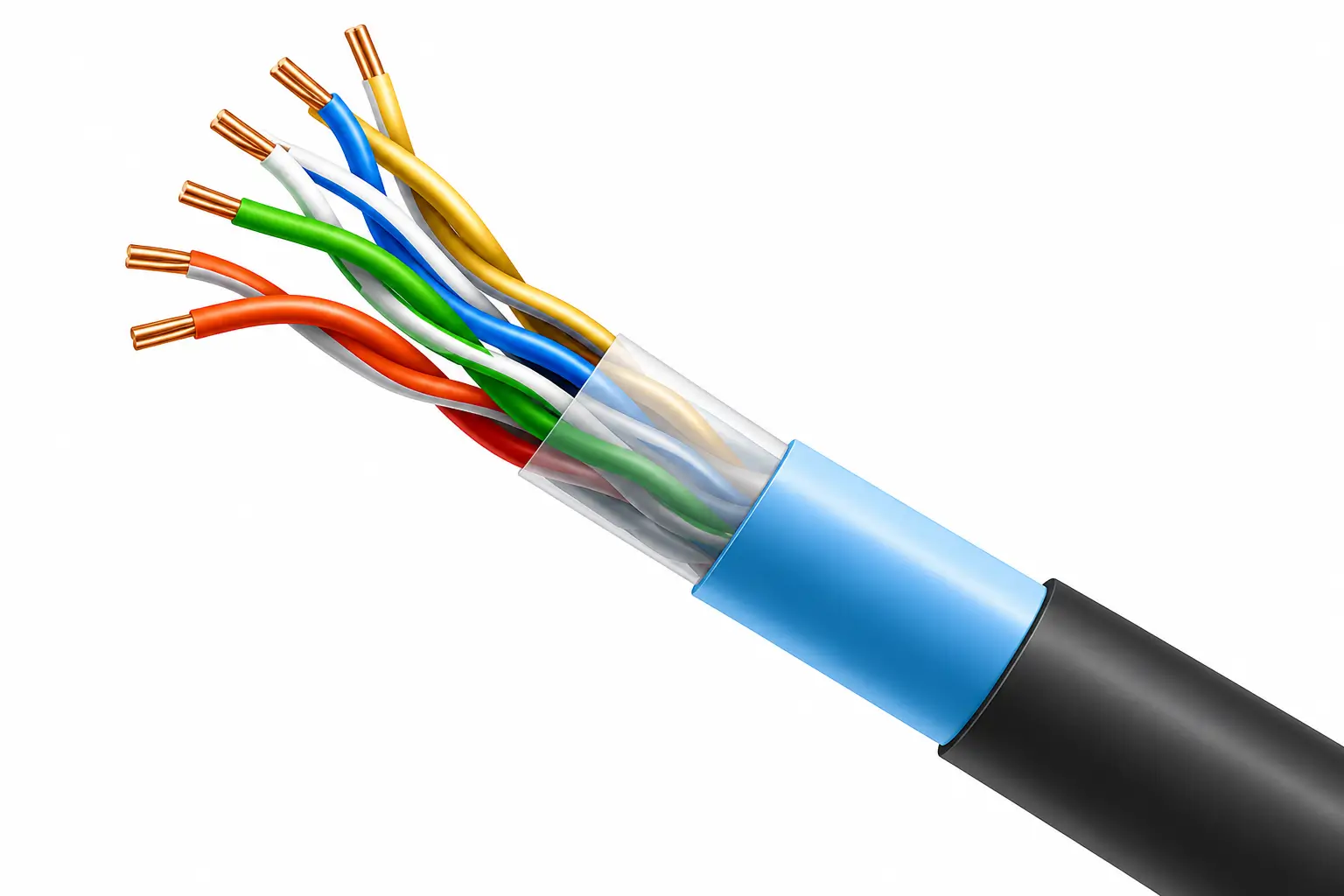
However, SPT wires came, and everything changed.
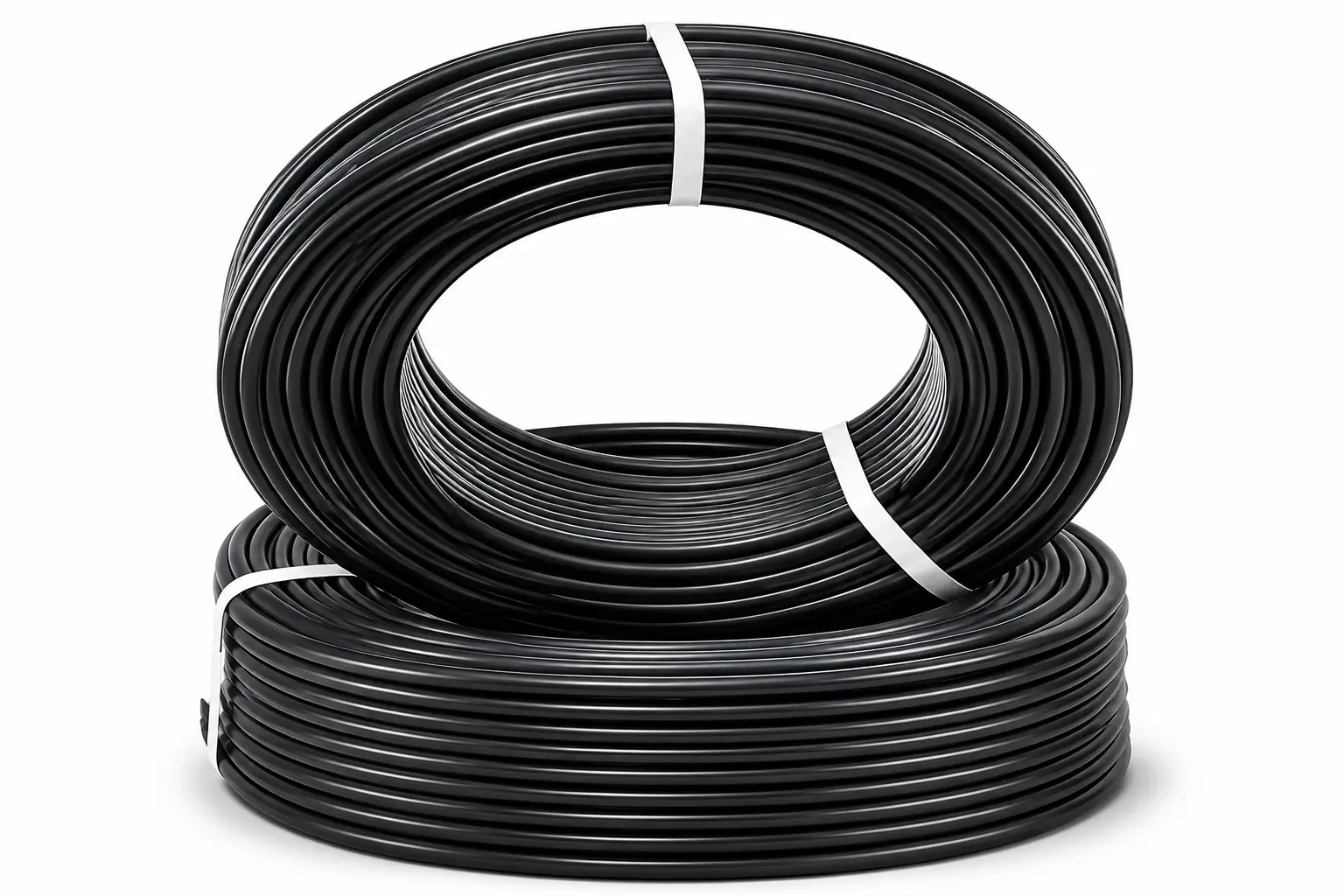
SPT cables feature a flat parallel design that makes them super pliable. The cords are also easy to split, letting you safely connect lighter-duty appliances like lamps. And while earlier SPT iterations were rather thin and brittle, thicker versions have emerged to address concerns of mechanical and environmental damage.
However, the reliability of SPT wire types depends on matching a cable with the correct application. Let’s explore some common issues caused by choosing incorrect SPT cords for your appliance.
What Is An SPT Wire?
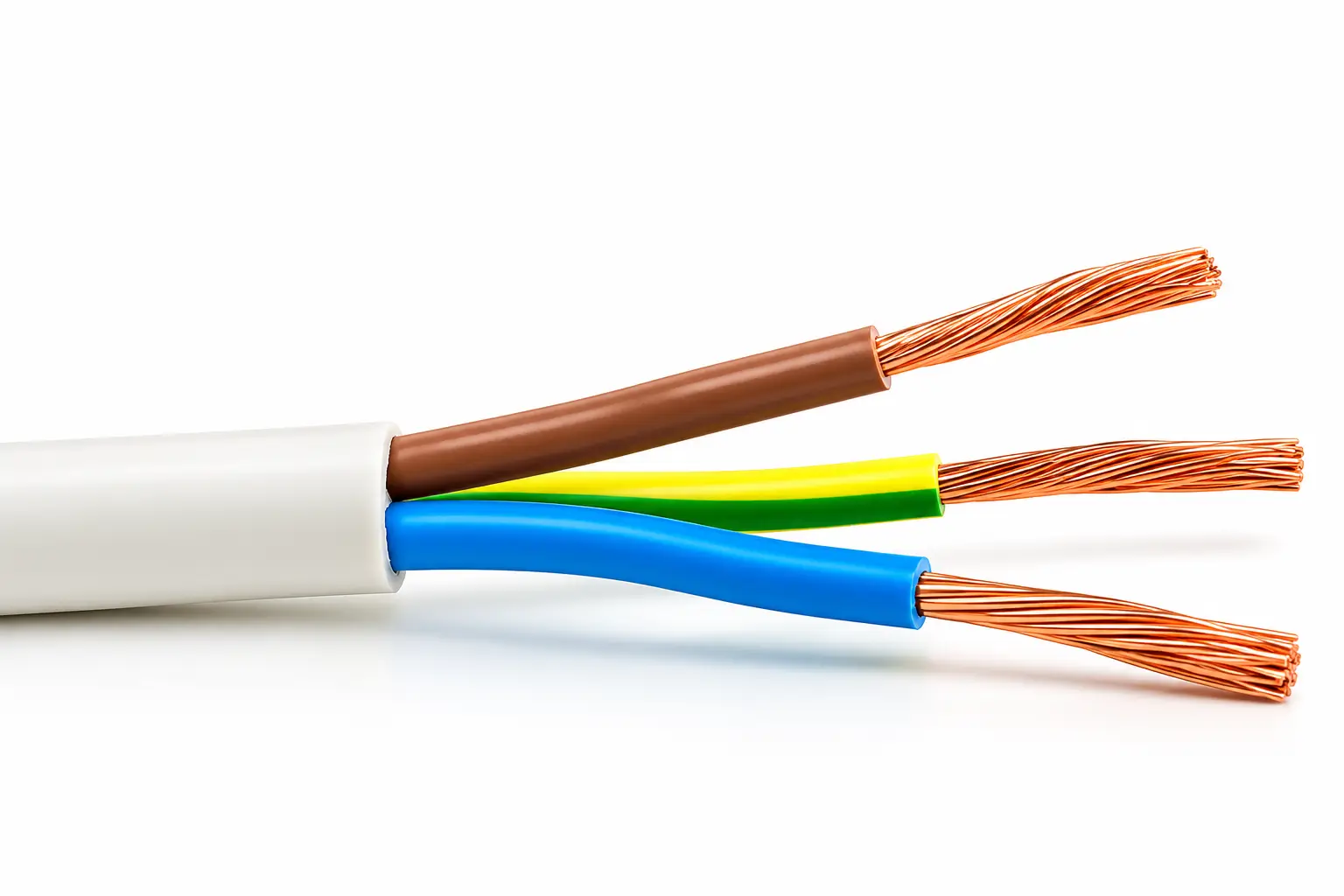
SPT stands for Service Parallel Thermoplastic. It’s a designation used for a unique type of pliable, light-duty electrical cords designed with two or three parallel copper conductors enclosed in a thermoplastic PVC jacket.
SPT cables are alternatively called zip cords because the encased parallel wires can be pulled and separated from their center web. They’re also known as lamp cords, pointing to their typical application.
When shopping for SPT cables, many consumers often choose between SPT-1 vs. SPT-2. While both options are remarkably flexible, SPT-2 wires feature thicker insulation that makes them more resilient against mechanical stress and environmental degradation.
How Do SPT Wires Work?
SPT cables follow a similar operational mechanism, as regular power cords. Simply plug an SPT wire into a wall socket, turn the switch on, and let the cable power the connected appliances.
As noted, SPT wires are designed for low-power electrical appliances, including;
- Table lamps
- Radios
- Portable fans
- Clocks
- Seasonal lighting
- Commercial string lighting
What Common Issues Result from Choosing the Wrong SPT Wires?
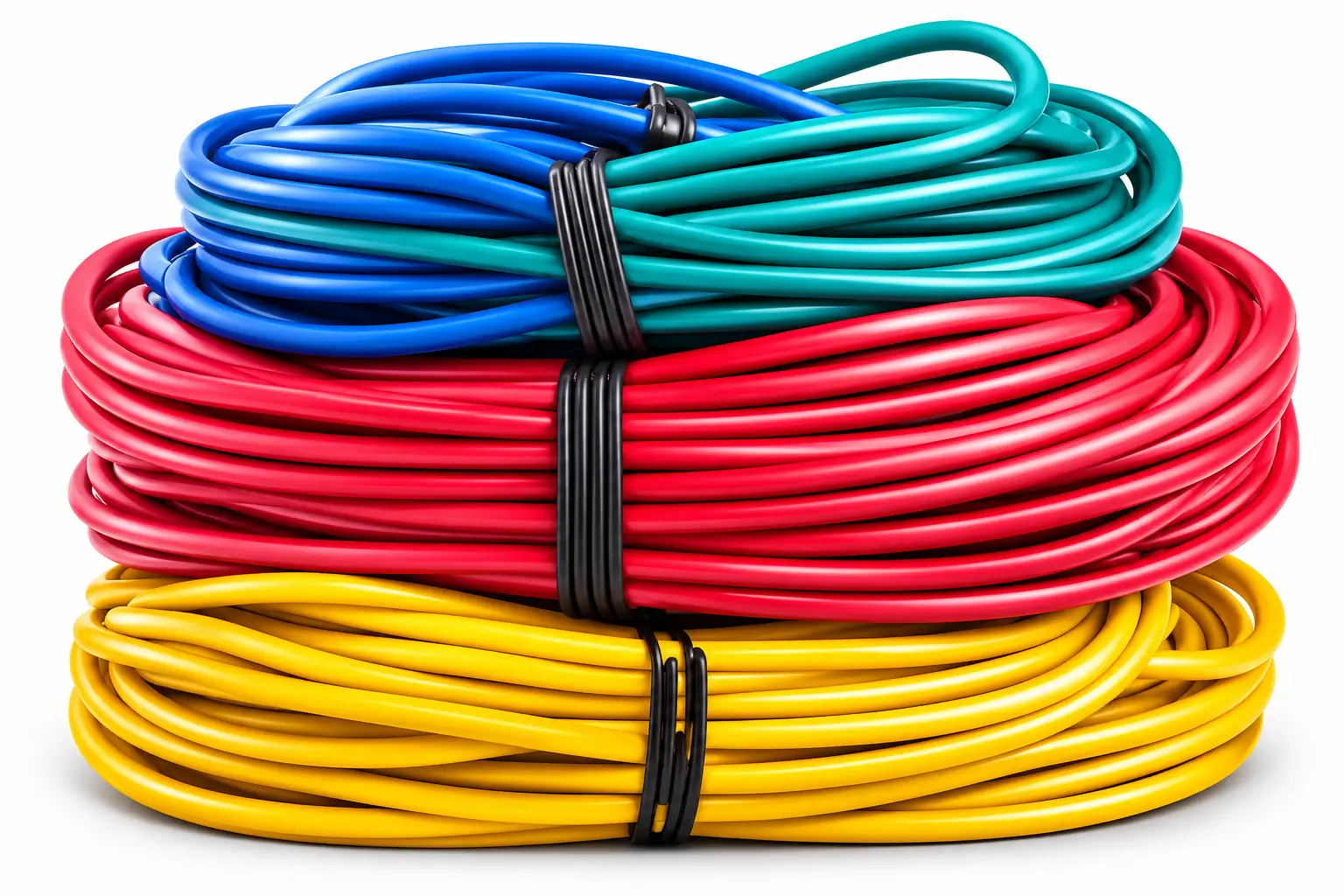
1. Accelerated Mechanical Wear
There are two major subtypes of SPT cables, namely SPT-1 and SPT-2. Using these cords interchangeably can pose serious safety risks to your workplace.
Although SPT-1 and SPT-2 are both super pliable, SPT-1 cables feature thinner insulation (0.030 inches). That makes them ideal for use in lower-traffic workspaces.
SPT-2 wires come with thicker insulation that allows them to withstand greater mechanical stress.
When deciding between SPT-1 and SPT-2 cables, consider the desired protection against abrasion.
2. Damage to In-line Connectors
To pierce SPT-1 and SPT-2 wires, you generally require a vampire plug. However, the two cables aren’t cross-compatible.
Forcing the thicker SPT-2 wire into a vampire plug designed for SPT-1 cords can damage its enclosed conductors and interfere with the connection. Conversely, using the thinner SPT-1 cable with SPT-2 vampire plugs can cause loose and unstable connections.
Always match an SPT cable with the correct vampire plug. It helps protect the brittle copper conductors, preventing undue expenses on replacement cables.
3. Electrical Fires
SPT cables are typically 18 AWG or 16 AWG power cords rated for specific voltage draws (often 300 volts).
Exceeding the stipulated draw may cause the copper wires to heat up and come into contact with each other, triggering dangerous explosions.
Another best practice is to avoid connecting SPT cables in a daisy chain. Instead, match the wire to an appliance’s maximum power draw.
Because SPT cables are considerably more fragile than standard extension cords, regular inspections can help prevent explosions by catching and repairing damage proactively.
4. Reduced Performance in Extreme Weather
SPT wires differ by their intended use environment.
While the cables generally perform excellently indoors, outdoor suitability depends primarily on their insulation material. And, contrary to misconception, this usually has little to do with the sheer diameter of their copper conductors.
Outdoor-rated wires often carry the designations O and W on their labels.
- O: Stands for oil-resistant, allowing an SPT wire to be used in outdoor spaces prone to oil and grease spills.
- W: Weather resistant, suggesting the cable can withstand moisture ingress to a certain extent
Although you can safely use outdoor-rated SPT cables indoors, the converse isn’t true.
It’s also important to define the specific outdoor condition where you’ll be using an SPT wire. Select highly pliable yet robust thermoplastic cords to brave extreme temperature fluctuations.
5. Severe Voltage Drop
Although SPT cables are generally rated for 300 volts, not every cord is reliable at that current draw. A wire’s suitability still depends on several factors, such as cable length.
Studies have shown that increasing a wire’s footage causes a corresponding voltage reduction. While voltage spikes can damage appliances instantly, significant voltage drops may deprive connected devices of optimal power and result in gradual breakdowns.
Common signs of unstable voltage include;
- Flickering lights
- Fluctuating volume (on audiovisual equipment)
- Overheating motors
- Total appliance failures
- Explosions in the SPT circuits
Unless an appliance is located across the room (in which case you’ll require a standard extension cord to bridge the gap), stick to shorter SPT wires.
Enjoy Unmatched Flexibility with SPT Wires
SPT wires revolutionized how we power lighter-duty appliances at home and in the office. The cables especially stand out for their pliable designs, allowing for safe use in confined spaces.
While original SPT cords were notoriously brittle, later models are engineered to withstand mechanical stress and harsh environmental conditions. But like most electrical components, SPT wires are only safe and reliable if matched with the correct application.
Remember to also implement ongoing care if you wish to extend your SPT cables’ longevity. Some key maintenance tips include inspecting the wires regularly for signs of damage, reducing sunshine exposure for UV protection, and not routing the cords under mats to prevent overheating.