For years, modern interior design seemed determined to strip away anything that wasn’t strictly necessary. Walls became bare, furniture grew simpler, and decorative details were quietly shown the door. The result was often stylish, but sometimes a little lacking in personality. Now, the pendulum appears to be swinging back, with homeowners rediscovering the charm of traditional features and the warmth they bring to everyday spaces.
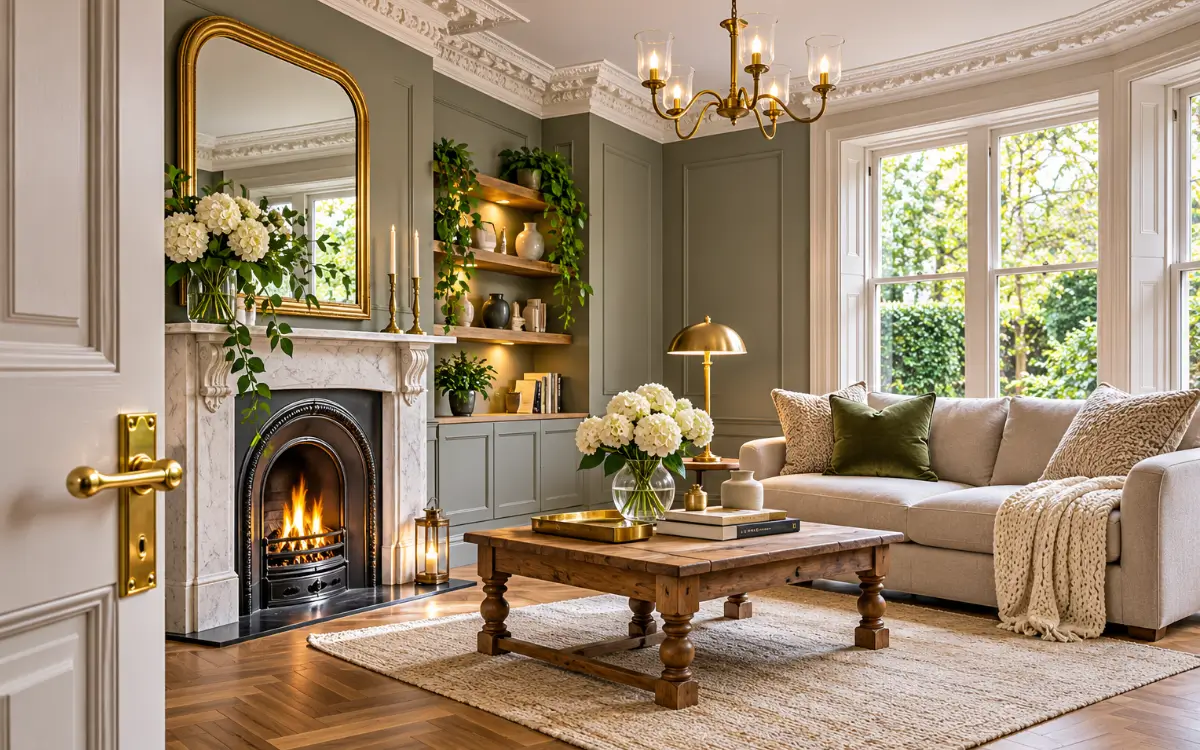
From ornate cornices and classic wooden flooring to vintage-inspired fittings, older design elements are finding their way into contemporary homes. Interestingly, this isn’t about recreating the past or filling rooms with antiques. It’s about borrowing the best bits of traditional design and giving them a fresh lease on life.
A Growing Appreciation for Character
There’s something appealing about walking into a room that feels as though it has a story to tell. Perhaps it’s the intricate detailing around a fireplace, the texture of exposed brickwork, or the gentle imperfections of reclaimed timber. Whatever the feature, these touches offer something that perfectly uniform interiors can sometimes struggle to achieve: individuality.
This helps explain why traditional architectural details are enjoying renewed attention. Rather than hiding original features beneath modern finishes, homeowners are increasingly choosing to celebrate them. Even newer properties can benefit from this approach, with decorative moldings, paneled walls, and classic baseboards introducing a sense of history where none previously existed.
The beauty of these additions is that they don’t need to dominate a room. Sometimes, a subtle nod to the past is enough to make an otherwise ordinary space feel considerably more inviting.
Small Details Are Getting Their Moment
While statement furniture and bold color schemes tend to attract the most attention, the smaller elements of a room often have just as much influence on its overall appearance. Door handles, cabinet knobs, light switches, and other everyday fittings might seem insignificant individually, but together they help establish a consistent design style.
This is particularly noticeable in homes that combine contemporary interiors with traditional influences. A beautifully paneled door, for example, can lose some of its charm when paired with a fitting that feels completely out of place. Choosing something more sympathetic to its design creates a much more considered finish.
For homeowners exploring this approach, Heritage Brass handles from Trade Door Handles offer a selection of classic and contemporary designs that can complement different interior styles. Finishes such as antique brass and polished brass can introduce warmth and character, allowing even practical household details to contribute to the wider design.
Natural Materials Bring Warmth Back Into Interiors
Traditional design has always made good use of natural materials, and their enduring appeal is easy to understand. Timber, stone, brass, and other tactile finishes introduce variation that can make a room feel more comfortable and lived-in.
Wooden flooring is a particularly good example. While sleek alternatives have their place, the natural grain and warmth of timber can soften contemporary interiors beautifully. Traditional patterns such as herringbone add another layer of interest, creating a connection with historic homes without making the space feel old-fashioned.
The same principle applies to stone fireplaces, exposed beams, and textured plaster walls. These features bring depth to a room, especially when paired with simple furnishings and restrained color palettes. Rather than competing with modern design, they give it something to play against.
Mixing Old and New Creates a More Personal Style
One of the most appealing aspects of this revival is the freedom to experiment. Homeowners no longer need to commit entirely to one period or aesthetic, which opens the door to combinations that might once have seemed unusual.
A contemporary kitchen can look wonderful with traditional brass fittings, just as an antique wooden table can become the centerpiece of an otherwise minimalist dining room. The contrast gives each element room to shine, creating an interior that feels collected rather than purchased all at once.
Getting this balance right is largely about knowing when to stop. Too many decorative features can make a room feel busy, while too few may leave it looking unfinished. Choosing a handful of meaningful details and allowing them to complement the surrounding space usually produces a more natural result.
Timeless Appeal Is Winning Over Passing Trends
Interior trends come and go, often faster than homeowners can reasonably keep up with them. A color or finish that feels exciting today might look dated in a few years, making constant redecorating an expensive and rather exhausting exercise.
Traditional design features offer an appealing alternative because many have already demonstrated their staying power. Well-proportioned moldings, quality wooden floors, and thoughtfully chosen metal fittings have remained attractive across generations, even as the interiors surrounding them have changed.
Of course, this doesn’t mean every traditional feature will suit every property. The key is selecting details that feel appropriate to the home’s architecture and the people living in it, rather than following a particular look simply because it’s fashionable.