Purchasing a dishwasher may sound easy until you begin comparing the various models. Some offer more space; others come with quiet operation, flexible wash cycles, or reduced water consumption.
Nonetheless, selecting the wrong one may cause the loss of kitchen space, higher utility bills, or additional tasks during dish loading. The number of people in your house, how you cook, and the size of your kitchen are all factors that will influence the type of model you should use.
In order to make the correct decision, you should take into consideration how frequently you clean dishes and what characteristics are important to your everyday life. Before you make a choice, you should compare types of dishwashers, cleaning modes, energy consumption, and maintenance requirements as well.
This article discusses the five key considerations to ensure you can locate a dishwasher that meets your budget and home.
1. Match Dishwasher Capacity with Your Household Size
Your household size is an important factor when searching for the best dishwasher. The right capacity helps you clean daily dishes without running multiple cycles. Your cooking habits also matter. For example, a couple who cooks every day may need more space than a larger family that eats out often.
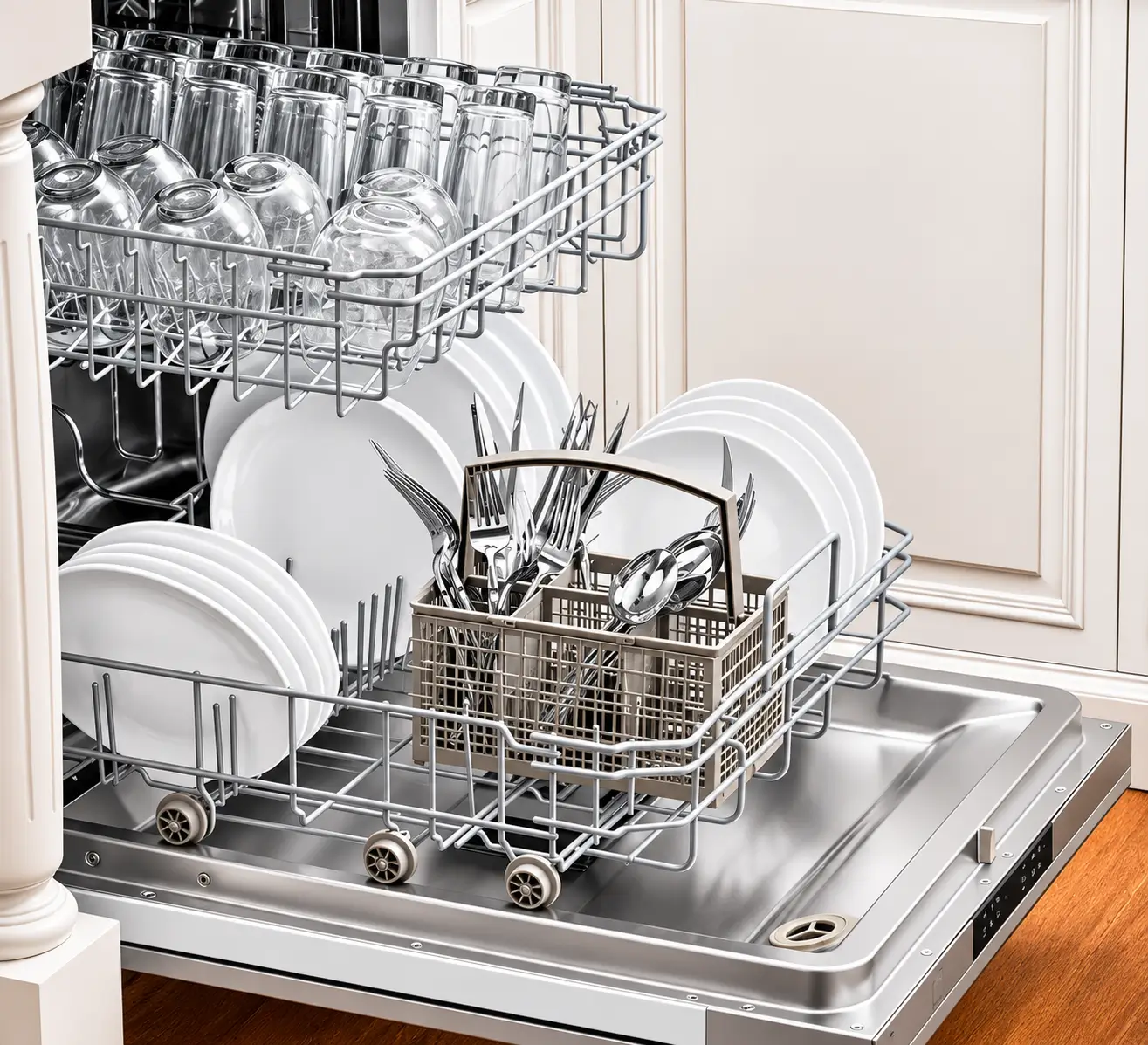
Standard 24-inch dishwashers work well for most families. They provide enough room for plates, glasses, pots, and utensils. Adjustable racks and third racks offer extra space for smaller items.
For smaller kitchens, an 18-inch or countertop dishwasher may be a better choice. Before buying, consider your daily dishwashing needs and available space.
2. Select the Right Dishwasher Type for Your Kitchen Layout
The available space and installation requirements will help you determine which dishwasher type suits your kitchen. Not every household has the same cabinet arrangement or plumbing setup.
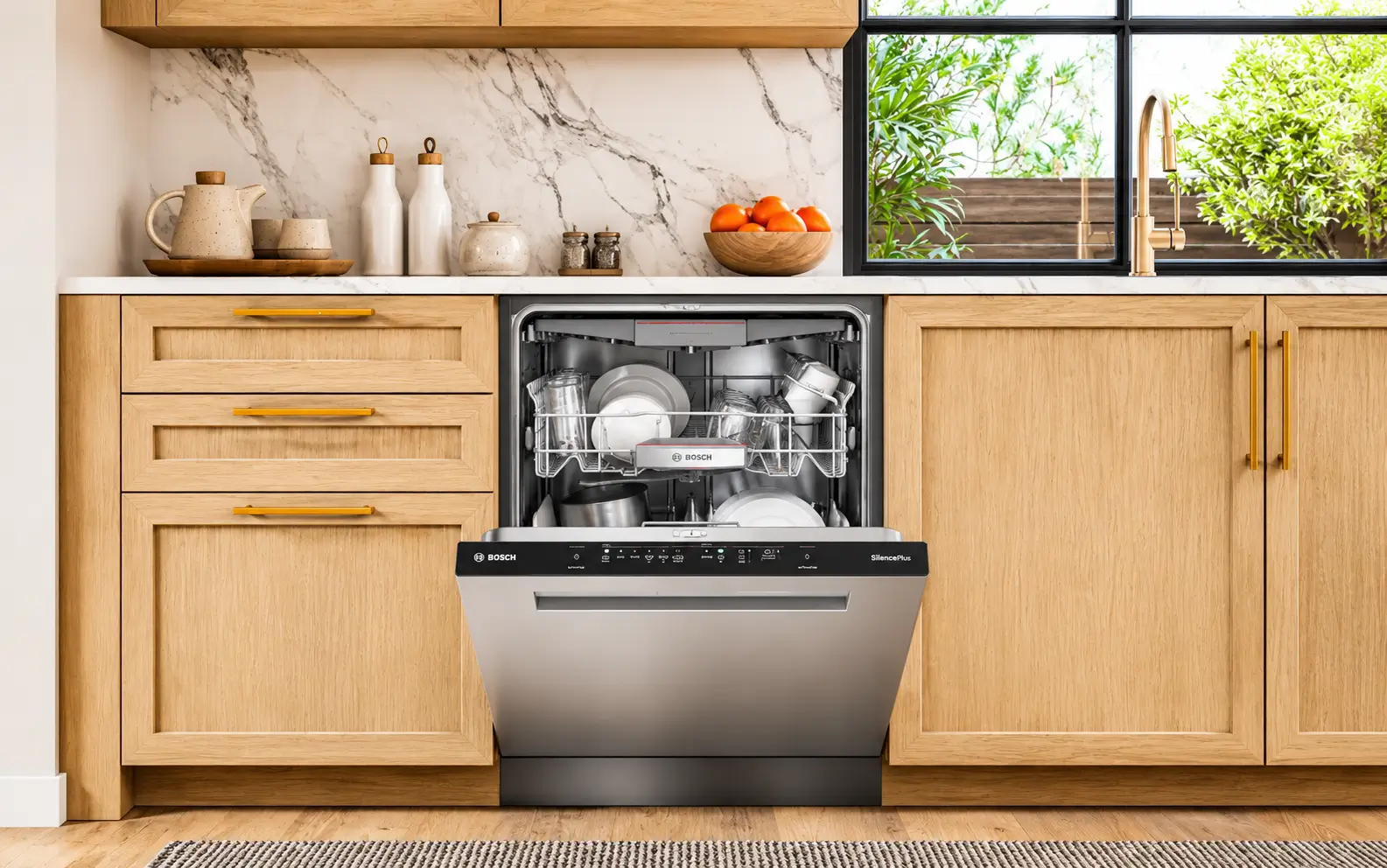
Therefore, measure the available area before comparing different models. Built-in dishwashers are common in modern kitchens. They fit beneath countertops and connect to the home’s water supply and drainage system. These models work well if you have a dedicated dishwasher space and want a permanent installation.
Portable dishwashers are useful when your kitchen does not have room for a built-in unit. Many models connect to a kitchen faucet when needed and can be moved when not in use.
Similarly, countertop dishwashers offer a compact solution for small kitchens, apartments, and limited dishwashing loads. You can also consider panel-ready dishwashers if you want the appliance to match your kitchen cabinets.
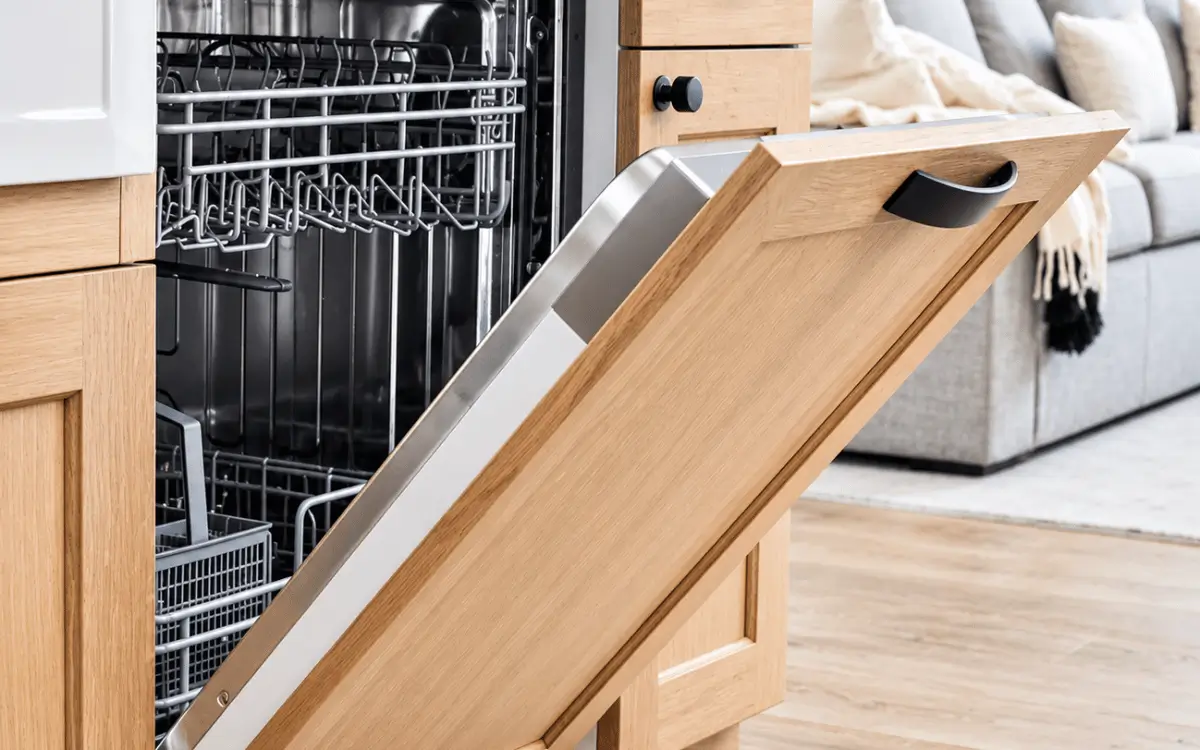
These models accept a custom cabinet panel, creating a consistent appearance. However, check the required dimensions, connections, and installation instructions before choosing one.
3. Compare Cleaning Cycles and Convenient Features
Dishwashers offer different cleaning programs to handle various types of loads. Comparing these options helps you find a model that matches your everyday cleaning needs. Instead of focusing only on the number of available cycles, consider which ones you will actually use.
A normal cycle works well for everyday dishes with typical food residue. Meanwhile, a heavy-duty cycle provides stronger cleaning for pots, pans, and dishes with dried food. A quick wash can save time when you need clean dishes sooner, although it may not suit heavily soiled items.
Other useful features can make daily loading and unloading easier:
- Adjustable Racks: Allow you to create more space for larger plates, bowls, and cookware
- Third Racks: Provide a separate area for cutlery, serving utensils, and smaller kitchen items
- Delay Start: Lets you schedule a wash cycle for a more convenient time
- Sanitizing Options: Use higher temperatures during specific cycles to help reduce certain bacteria
- Soil Sensors: Adjust the wash process based on the amount of food residue detected
However, additional features can increase the purchase price. Focus on functions that support your regular dishwashing routine rather than paying for options you may rarely use.
4. Consider Energy Efficiency and Water Consumption
A dishwasher affects more than your kitchen routine. Its electricity and water consumption can also influence your household utility bills. Therefore, compare the energy and water requirements of different models before making a purchase.
Energy-efficient dishwashers are designed to clean dishes while using less electricity. Look for the ENERGY STAR label when comparing eligible models. This certification helps identify appliances that meet specific energy-efficiency standards.
Water consumption also deserves attention. Modern dishwashers can use less water than washing the same amount of dishes by hand under a continuously running tap.
However, actual savings depend on your washing habits, appliance model, and how efficiently you load it. Eco or energy-saving cycles can help reduce resource consumption. These programs may use lower temperatures or longer wash times to clean dishes efficiently.
In addition, running a full load instead of several smaller cycles can help reduce unnecessary water and electricity use. Check the EnergyGuide label to compare estimated annual energy costs. This information can help you understand the potential running expenses before choosing a model.
5. Evaluate Noise Levels, Maintenance, and Long-Term Costs
A dishwasher should fit comfortably into your household routine. If your kitchen is close to your living room or bedroom, operating noise may become an important consideration. Therefore, check the noise rating before selecting a model.
Dishwasher noise levels are measured in decibels (dBA). Lower ratings generally indicate quieter operation. Models around 40 to 45 dBA are often suitable for open-plan homes where people spend time near the kitchen. However, consider your budget and how frequently you run the appliance before paying extra for quieter operation.
Maintenance is another factor that affects long-term convenience. Look for removable filters that are easy to clean and racks that can be adjusted without difficulty. Regularly remove food particles from the filter, wipe the door edges, and check the spray arms for blockages. These simple steps help maintain cleaning performance.
Finally, compare the purchase price, installation charges, warranty coverage, and replacement part availability. A cheaper model may cost more over time if it requires frequent repairs or uses more energy. Consider the complete ownership cost rather than focusing only on the initial price.
Conclusion
Finding the right dishwasher involves more than comparing prices or choosing a popular brand. You need to consider your household size, kitchen layout, cleaning habits, and available budget. Features such as adjustable racks, efficient wash cycles, and quiet operation can also make everyday use more convenient.
Additionally, check energy ratings, maintenance requirements, and warranty coverage before making your decision. By comparing these factors carefully, you can select a dishwasher that meets your household’s needs, fits your kitchen, and provides reliable performance over the years.