
Step outside one morning — coffee going cold, light still low — and something’s off. The plants look wrong. Ragged holes punched through leaves. A squash you’ve been babying for weeks, hollowed out overnight like it was never there. Every instinct pushes you toward the strongest spray on the shelf. You don’t actually need it, though. Chemical-free approaches hold up better than most gardeners expect. Stack them right, and they protect your harvest, your soil, the beetles and wasps doing quiet work you’d never notice until they’re gone.
Understanding Common Garden Pests and Their Damage
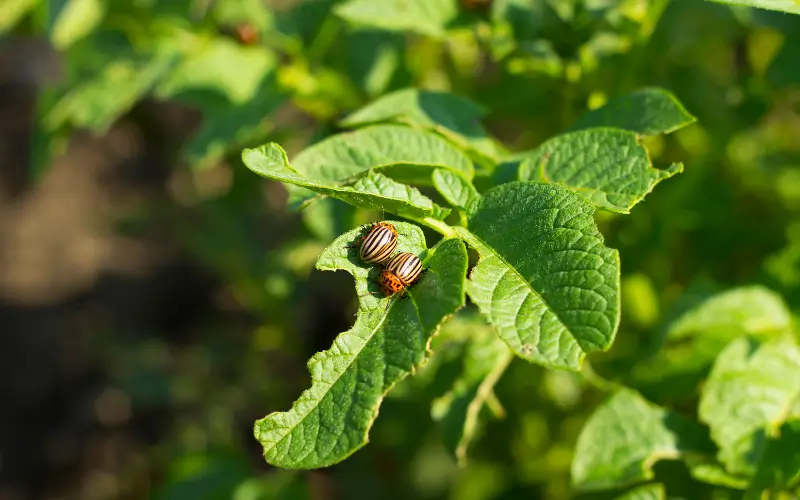
Know your enemy first. Seriously — before anything else. Aphids cluster on stems and bleed plants dry, triggering leaf curl and a creeping yellow rot that moves quicker than you’d think. Caterpillars? Far less subtle. Two or three days and they’ll reduce a full plant to sticks. Beetles tear jagged gaps through foliage — sometimes going deeper, boring straight into roots or fruit. Spider mites leave fine webbing behind. The leaf surface goes pale and stippled — almost powdery when you look close. Slugs operate at night, full stop. They punch irregular holes and drag slime trails across whatever they cross. Misidentify your pest and you waste time you don’t have. Treating for aphids when mites are the actual problem accomplishes nothing. Check plants constantly. Catch it early — or deal with a garden-wide crisis later. Those really are the only two options.
Using Beneficial Insects and Predators
Some insects are flatly on your side. Ladybugs, for instance — they burn through aphids, mites, and small caterpillars faster than you’d expect. Lacewing larvae are scrappy little predators. Relentless, honestly. Whiteflies, mealybugs, aphids — none of it stops them. Parasitic wasps go further still: they deposit eggs directly inside living pest insects, the host body becoming an incubator that eventually consumes itself from within. Grim. Effective. Ground beetles show up after dark and quietly dismantle slug populations. None of this requires elaborate effort. Plant yarrow, dill, or fennel — open blooms are essentially a standing invitation. Scatter mulch, heap some leaf litter in a corner, set out a shallow water dish. Actual habitat, not decoration. These predators overwinter and return if conditions hold — so make conditions hold.
Implementing Physical Barriers and Manual Removal
Sometimes the blunt approach wins. Lightweight row covers let rain and sunlight through while shutting insects out completely — no chemistry, no residue. Drape netting over anything moths and butterflies target for egg-laying. Sticky bands around tree trunks stop crawling insects cold. Hand-picking sounds tedious; it delivers fast results on smaller plots. Pull caterpillars and beetles off, drop them into soapy water, move on. Strip infested leaves. Clear fallen debris regularly — every bit of shelter you remove is a breeding site that no longer exists. Targeted traps let you track population trends before they spiral out past your control.
Using Natural Sprays and Organic Solutions
Predators and barriers can’t always carry the whole load. When pressure builds, natural sprays step in. Neem oil — cold-pressed from neem seeds — disrupts feeding and reproduction across a wide pest range, then breaks down without leaving toxic residue behind. Insecticidal soaps, built from potassium salts of fatty acids, rupture cell membranes on soft-bodied pests like aphids and mealybugs on direct contact; they don’t linger, so thorough coverage is non-negotiable. Spinosad, derived from soil bacteria, hits caterpillars, leafminers, and beetles hard while staying relatively gentle on birds and mammals. Homemade options — garlic sprays, hot pepper solutions, diluted vegetable oil — push away a surprising range of species too. Timing matters enormously. Apply in early morning or evening, when beneficial insects aren’t active. Reapply after rain. Don’t skip it.
Maintaining Healthy Soil and Plant Vigor
Most people underestimate this part. A genuinely healthy plant shrugs off pest pressure that would collapse a stressed one. Feed your soil — compost, organic matter, better structure, deeper roots. Well-nourished plants with steady water absorb minor damage and keep producing; weakened ones spiral fast. Spacing matters more than most gardeners admit. Crowded plants trap humidity, invite fungal problems, and hide early infestations until they’re already serious. Rotate crops every season so pests can’t dig in year after year. Keep beds clear of dense weed growth — accumulated weed seeds anchor persistent pest populations that spill directly into cultivated ground. Pull dead wood. Clear plant debris promptly. Pests overwinter in that material. Don’t hand them the refuge.
Conclusion
No single trick covers everything — not even close. What actually moves the needle is layering. Identify what’s attacking your plants. Invite natural predators in. Block access physically. Escalate to organic sprays when pressure builds. Keep the underlying ecosystem functional so it doesn’t need constant intervention. Each strategy shores up the others. Start where your garden’s scale and your worst pest problem overlap, then refine as results come in. A garden managed this way grows more balanced over time. Less reactive. Harder to knock off course. And far less dependent on any one fix holding everything together.