
When it comes to home decor, wreaths are a staple for adding a touch of seasonal charm. However, deciding between an artificial Spring Wreath and a fresh one can be a challenge, especially for agencies involved in styling and interior design. Each option offers unique benefits and aesthetic appeals, but longevity often becomes a key factor in the decision-making process. This article explores the durability of both types of wreaths, providing insights that can assist Visual Merchandising Specialists and Home Staging Consultants in making informed choices for their projects.
Artificial Spring Wreath: A Lasting Choice for Decor
Artificial Spring Wreaths are crafted from synthetic materials designed to mimic the vibrant colors and textures of real flowers and foliage. These wreaths are particularly appealing to Trend Forecasting Analysts and Style Guide Compliance experts who seek to maintain a consistent brand aesthetic without frequent replacements. A key advantage of artificial wreaths is their durability; they can last for years without wilting or fading, making them a cost-effective option for long-term projects.
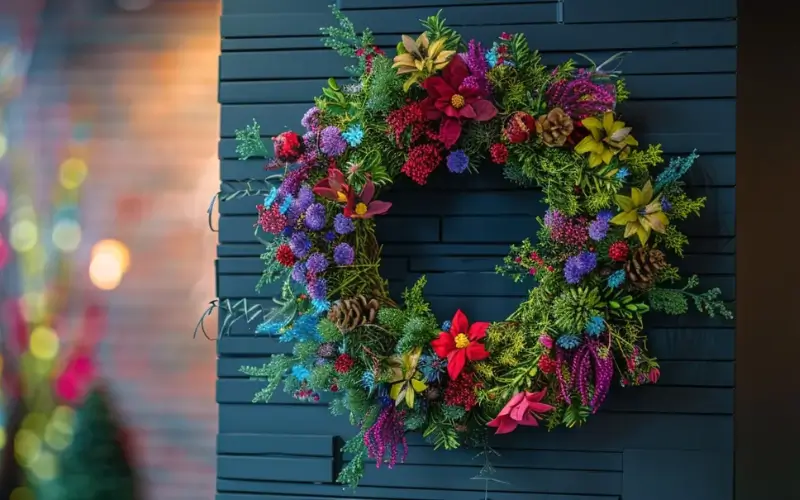
For agencies focused on Seasonal Lookbook Creation, artificial wreaths provide the flexibility to align with specific color themes and trends while ensuring continuity across multiple seasons. Moreover, these wreaths require minimal maintenance, freeing up time for Showroom Management Protocols and other critical tasks. When considering the Spring Wreath options available, synthetic choices offer a reliable means to achieve lasting visual impact.
Fresh Spring Wreath: The Allure of Nature in Your Home
Fresh Spring Wreaths bring the beauty of nature indoors, captivating audiences with their authentic scents and natural textures. For Home Staging Consultants, fresh wreaths can add a unique element to a property, enhancing its appeal during open houses or photoshoots. The organic nature of these wreaths can create an atmosphere of freshness and vitality, which is particularly attractive for Customer Persona Mapping in eco-conscious markets fresh flowers.
While fresh wreaths may not have the longevity of their artificial counterparts, they offer a distinct advantage in their ability to capture the essence of the season. This is beneficial for agencies engaged in Retail Space Layout Analysis, where the sensory experience of a space plays a crucial role in conversion rates. However, it’s important for agencies to consider the short lifespan of fresh wreaths, typically lasting one to two weeks, impacting the frequency and cost of replacements.
Comparing Longevity: Artificial vs Fresh Wreaths
In terms of longevity, artificial wreaths clearly outshine fresh ones. While fresh wreaths offer unparalleled natural beauty, they require replacement every couple of weeks, increasing both cost and labor for agencies managing multiple projects. On the other hand, artificial wreaths can maintain their appearance for up to several years, proving to be a strategic choice in Product Assortment Strategy and long-term decor planning.
For agencies involved in Influencer Collaboration Strategy, the durability of artificial wreaths ensures that promotional displays remain pristine throughout campaigns. Additionally, the customization options available with artificial wreaths allow for Color Palette Development that aligns perfectly with brand aesthetics. The choice between artificial and fresh ultimately depends on the specific needs and goals of each project, but for those prioritizing longevity, artificial wreaths are the clear winners.
Maintenance and Care: Ensuring Longevity for Both Options
Proper maintenance is crucial to maximizing the lifespan of both artificial and fresh Spring Wreaths. For artificial wreaths, regular dusting and occasional spot cleaning can prevent discoloration and wear, ensuring they remain a vibrant part of any decor scheme. Agencies should consider using a Material Swatch Library to select high-quality synthetic materials that are easy to maintain and resistant to fading.
Fresh wreaths, on the other hand, require more intensive care to prolong their beauty. Regular misting and keeping them away from direct sunlight can help maintain their freshness for a longer period. For agencies focusing on E-commerce Conversion Rate Optimization, offering detailed care instructions can enhance customer satisfaction and encourage repeat purchases. By understanding the specific maintenance needs, agencies can ensure that both types of wreaths serve their decorative purposes effectively.
Conclusion
Choosing between artificial and fresh Spring Wreaths depends largely on the priorities of longevity and aesthetic appeal. Artificial wreaths offer unmatched durability and low maintenance, making them ideal for long-term projects and consistent brand presentation. Fresh wreaths, while short-lived, provide a natural allure that can be strategically used to enhance specific environments and customer experiences. By weighing the pros and cons, agencies can make informed decisions that align with their project goals and client expectations.