Choosing between Artificial Outdoor Trees and real trees involves more than just aesthetic preferences. In the realm of Home Decor and Fashion & Beauty Agencies, the decision carries implications for durability, maintenance, environmental impact, and cost efficiency. Agencies often employ a Visual Merchandising Strategy to enhance outdoor spaces, making tree selection pivotal. This article examines the strengths and weaknesses of both artificial and real trees, assessing which offers better longevity for agency-driven projects.
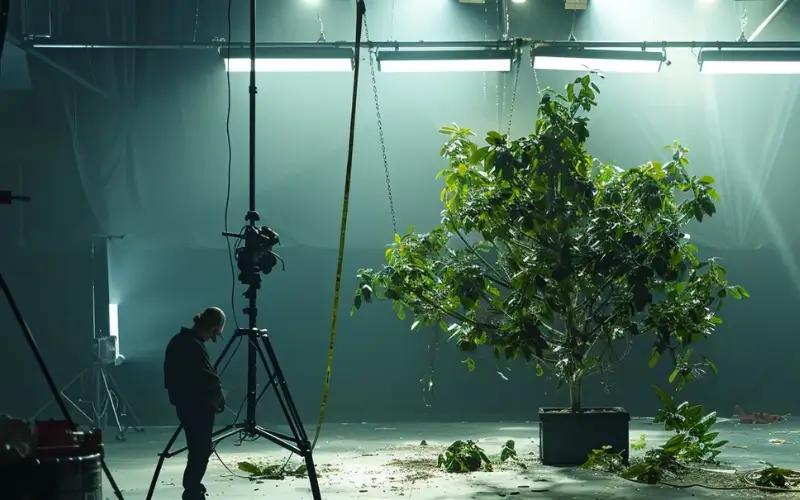
Artificial Outdoor Trees Durability Factors
The durability of Artificial Outdoor Trees primarily hinges on material quality and construction techniques. Agencies specializing in Home Decor prioritize materials like UV-resistant polyethylene and advanced Fabric Drapery Analysis to ensure their longevity under various weather conditions. According to a Trend Forecasting Model, high-quality artificial trees can last up to a decade without fading or warping, even in harsh outdoor environments. This makes them a reliable choice for agencies focused on creating sustainable, long-term outdoor installations that align with their Branding Cohesion Audit.
In contrast, real trees are subject to natural wear and tear, which can lead to a shorter lifespan when exposed to the elements. Factors such as climate, pests, and soil conditions significantly impact their durability. Agencies often face challenges in maintaining the visual appeal of real trees over time, which can disrupt their carefully crafted Visual Merchandising Strategy.
Comparing Maintenance Needs of Real and Artificial Trees
Maintenance is another critical factor when considering the longevity of outdoor trees. Artificial trees require minimal upkeep, as they do not need water, fertilizers, or pest control. Agencies can focus on other aspects of their projects, such as Spatial Planning Software, without worrying about the ongoing care of their installations. This low-maintenance aspect is particularly appealing for agencies managing multiple sites or large-scale projects.
Conversely, real trees demand consistent maintenance to thrive. They require regular watering, pruning, and protection against pests and diseases. The Sourcing and Procurement Process for real trees can also be more complex, as agencies must ensure that the trees are suitable for the specific environmental conditions of each project. This ongoing effort can detract from other creative pursuits like Mood Board Creation and Custom Design Brief development.
Environmental Impact of Artificial Versus Real Trees
Environmental considerations are increasingly important in the Home Decor and Fashion & Beauty industries. Real trees provide natural benefits such as carbon absorption and oxygen release, supporting a healthy ecosystem. However, they may require significant water resources and chemical treatments, which can have an adverse environmental impact.
Artificial trees, on the other hand, are often constructed from non-biodegradable materials. Despite this, their long lifespan and minimal maintenance can make them a more sustainable choice over time. Agencies conducting a Fixture and Fitting Evaluation may find that the reduced resource consumption of artificial trees aligns better with their environmental goals and seasonal collection rollout strategies.
Cost Considerations for Longevity of Outdoor Trees
Cost is a decisive factor in determining the longevity of outdoor trees, particularly for agencies managing budgets across multiple projects. Artificial trees, while initially more expensive, offer a better return on investment due to their durability and low maintenance needs. Agencies can allocate resources more effectively to other areas, such as Color Palette Consultation and Retail Layout Optimization.
Real trees, although cheaper upfront, can incur higher long-term costs due to maintenance and potential replacement needs. The Client Aesthetic Assessment phase may identify real trees as a cost-effective option for short-term projects but a less viable choice for longevity-focused installations.
Conclusion
When considering longevity, Artificial Outdoor Trees often provide a more practical solution for agencies. Their durability, low maintenance, and potential cost savings make them an attractive choice for long-term projects. For agencies in Home Decor and Fashion & Beauty, the strategic use of artificial trees can complement various design elements and enhance overall project outcomes.