Tattoos that once held deep meaning can sometimes become sources of regret. Whether it’s an ex’s name, a youthful impulse, or simply a change in aesthetic preferences, many people eventually seek ways to erase their permanent ink. The good news is that modern technology has made tattoo removal more effective and accessible than ever before, though the process requires patience and realistic expectations.
The Science Behind Laser Tattoo Removal
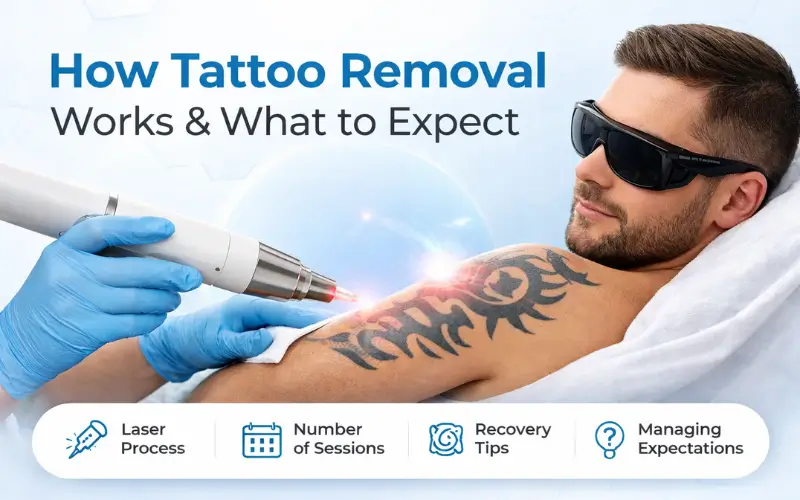
Laser technology has revolutionized the tattoo removal industry by offering a safe and effective solution. The process works by targeting tattoo ink particles embedded deep within the skin’s dermal layer. When laser light pulses hit these ink particles, they absorb the energy and fragment into smaller pieces.
Your body’s immune system then recognizes these tiny fragments as foreign substances and naturally flushes them out through the lymphatic system. This gradual elimination process is why multiple sessions are necessary to achieve complete or near-complete removal. Different laser wavelengths target different ink colors, which is why advanced clinics use multiple laser types to address the full spectrum of tattoo pigments.
What Happens During a Treatment Session
When you arrive for your appointment, the treatment area will first be cleaned and assessed. Many providers apply a topical numbing cream about 30 minutes before the procedure to minimize discomfort, though some patients opt to proceed without it for faster treatment.
During the actual laser application, you’ll hear a snapping sound as the laser pulses against your skin. Most people describe the sensation as similar to being snapped with a rubber band repeatedly. Sessions typically last anywhere from a few minutes to half an hour, depending on the tattoo’s size and complexity. Afterward, the treated area may appear frosted or white temporarily, which is a normal reaction.
The Recovery Process Between Sessions
Post-treatment care is crucial for optimal results and preventing complications. Immediately after your session, you’ll likely notice redness, swelling, and tenderness in the treated area. Applying ice packs and keeping the area elevated can help reduce these symptoms during the first 24 hours.
Your provider will apply an antibacterial ointment and bandage, which should remain in place for at least the first day. In the following days and weeks, you might experience blistering, scabbing, or temporary darkening of the skin. It’s essential to keep the area clean, avoid picking at scabs, and protect it from sun exposure throughout the healing process.
How Many Sessions Will You Need
The number of treatments required varies significantly based on several factors. Professional tattoos typically require more sessions than amateur ones because they contain more ink applied at greater depths. Older tattoos often respond better to treatment than fresh ones, as some natural fading has already occurred.
Color also plays a significant role in treatment duration. Black and dark blue inks respond best to laser removal, while lighter colors like yellow, white, and fluorescent shades prove more stubborn. Most people need between six and twelve sessions spaced six to eight weeks apart, though some tattoos may require up to twenty sessions for complete removal. If you’re researching options at a Houston tattoo removal clinic, ask about their assessment process to get a personalized estimate.
Managing Your Expectations
Complete tattoo removal isn’t always possible, and it’s important to understand this from the outset. Many factors influence the final outcome, including your skin type, immune system health, and the tattoo’s characteristics. Some people achieve complete clearance, while others are left with a faint ghost image or slight discoloration.
The process also requires a significant time commitment, as proper spacing between sessions is necessary to allow your skin to heal and your immune system to clear the fragmented ink. Rushing the process by scheduling sessions too close together won’t speed up results and may increase the risk of scarring or other complications.
Conclusion: Is Tattoo Removal Right for You
Tattoo removal has come a long way from the crude methods of the past. Today’s laser technology offers a viable path to erasing unwanted ink with minimal risk when performed by qualified professionals. However, the journey requires patience, financial investment, and realistic expectations about outcomes.
Before committing to removal, research qualified providers, attend consultations, and ask plenty of questions about their experience and technology. Understanding the process thoroughly will help you make an informed decision and prepare you for the commitment ahead. With the right approach and professional guidance, you can successfully move past that tattoo regret and embrace clearer skin.