Cosmetic bags have become an important part of how beauty brands present their products. What was once a simple pouch for storing makeup is now often included in product bundles, promotional kits, and limited-edition gift sets. A well-designed bag helps keep items organized while also strengthening a brand’s visual identity. For many companies, it serves as both a practical accessory and a subtle marketing tool.
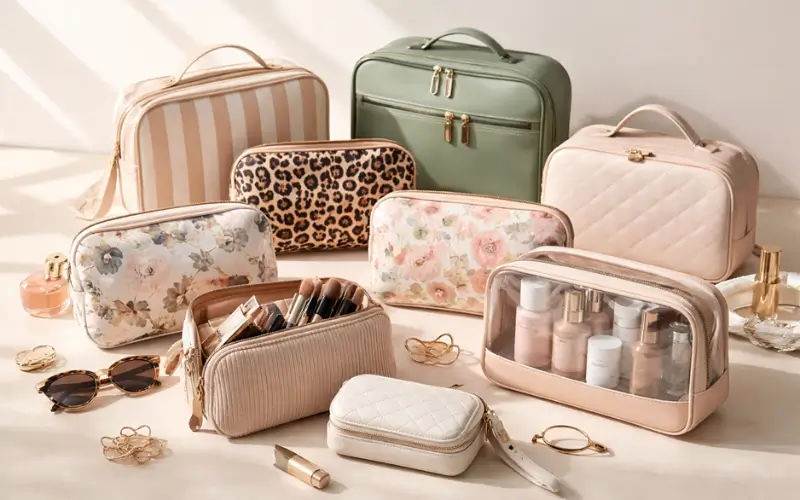
As more beauty brands include cosmetic bags in product launches and promotional sets, the demand for custom designs continues to grow. Instead of producing these items internally, many companies choose to work with a professional makeup bag manufacturer. Manufacturers bring experience in material sourcing, sampling, and large-scale production, making it easier for brands to turn an idea into a finished product. Ciffnoo Manufacturer, a trusted maker of lifestyle bags in China, works with businesses to guide them through each stage of development. This article explores the full journey of creating custom cosmetic bags, from the first design concept to final production.
Turning an Idea Into a Clear Bag Design
Every custom cosmetic bag begins with a clear concept. Before production starts, brands first determine how the bag will be used. Some cosmetic bags are designed for travel, while others are created for makeup kits, promotional sets, or retail packaging. Understanding the bag’s purpose helps guide decisions about structure, durability, and functionality.
Next comes the design stage. Brands define the appropriate size, the number of compartments, and the type of closure, such as a zipper, drawstring, or magnetic snap. Features like interior pockets or waterproof linings can improve organization and make the bag easier to maintain.
Once these elements are defined, designers typically create sketches or digital mockups. These visuals allow brand teams and sourcing managers to review the layout, logo placement, and proportions before moving forward. A good manufacturer, such as Ciffnoo, can also assist in refining these early concepts so the final design reflects the brand’s identity while remaining practical for production.
Choosing the Right Materials and Hardware
Material selection plays a major role in the overall quality, durability, and cost of a cosmetic bag. Beauty brands often start by choosing a fabric that matches the intended use and price point of the product. Common materials include nylon for its lightweight and water-resistant qualities, PU leather for a polished appearance, canvas for a more casual look, and PVC for clear or waterproof styles.
Because cosmetic products can occasionally leak or spill, many brands prefer fabrics that are easy to clean or naturally resistant to moisture. Waterproof linings or coated materials help protect the contents of the bag while making maintenance easier for users.
Hardware components are equally important. Zippers, inner linings, handles, and reinforcement materials all influence how well the bag performs over time. Strong zippers and reinforced stitching can improve durability, especially for cosmetic bags intended for travel or frequent use.
Sustainability is also becoming an important consideration. Some brands now explore recycled materials such as RPET fabrics to support environmentally responsible product lines. An experienced manufacturing partner can guide brands in selecting materials that balance durability, cost, and product positioning.
Creating Samples Before Mass Production
Sampling is one of the most important steps when developing custom cosmetic bags. Before committing to large production volumes, brands typically request a prototype or sample from the manufacturer. This early version allows both sides to review how the design translates from concept into a physical product.
During this stage, several details are carefully checked. Brands evaluate the bag’s size, structure, and functionality to confirm it meets their expectations. They also review stitching quality, zipper performance, and the durability of the selected materials. Logo placement is another key consideration. Different branding methods such as screen printing, embroidery, or heat transfer may be tested to determine which approach works best for the design.
Sampling also provides an opportunity to make adjustments. Small changes to dimensions, materials, or logo placement can be made before production begins. For businesses working with a makeup bag manufacturer, this stage helps reduce risk and prevents costly mistakes during large-scale manufacturing.
Moving Into Large-Scale Manufacturing
Once the sample is approved, the project moves into large-scale manufacturing. At this stage, factories follow a structured production workflow to ensure each cosmetic bag meets the approved design and quality standards.
The process typically begins with fabric cutting and preparation. Materials are cut according to the approved pattern, ensuring consistent sizing for every piece. After cutting, logo printing or branding is applied. Depending on the design, this may involve screen printing, embroidery, heat transfer, or embossing.
Next comes sewing and assembly. Skilled workers stitch the different fabric panels together to form the main structure of the bag. Interior linings, pockets, and compartments are also added during this stage if the design includes them.
Once the bag body is assembled, zippers and other hardware are installed. Handles, straps, or decorative elements may also be attached at this stage. Factories often reinforce stress points, such as zipper ends and handle connections, to improve durability, particularly for bags intended for frequent use.
An experienced factory partner carefully manages each stage of production to maintain consistent quality across large orders. Manufacturers like Ciffnoo coordinate production workflows to balance efficiency with reliable quality standards.
Quality Inspection and Finishing Touches
Before cosmetic bags are packed and shipped, factories carry out quality inspections to ensure the finished products meet the required standards. This step confirms that each bag matches the approved sample and performs well in everyday use.
Inspectors check stitching, zippers, and the overall structure of the bag. They look for loose threads, uneven seams, or hardware issues that could affect durability. Logo accuracy is also reviewed to confirm that colors, size, and placement match the brand’s specifications.
Defective items are removed during this process so they do not reach the final shipment. Once inspection is complete, the remaining bags are cleaned and prepared for packing. This may include trimming threads, wiping surfaces, and organizing products for packaging.
Reliable factories follow strict inspection procedures to maintain consistent quality, giving business buyers confidence that the finished cosmetic bags will meet expectations.
Packaging, Shipping, and Delivery to Brands
After quality inspection, the finished cosmetic bags move to the final stage: packaging and shipment. Brands can choose different packaging options depending on how the products will be sold or distributed. Some cosmetic bags are individually packed in protective poly bags or custom packaging, while others are prepared in bulk for retail distribution or promotional use.
For shipping, products are carefully packed into cartons to protect them during transportation. Manufacturers also prepare export documents and coordinate logistics with freight partners to ensure smooth international delivery.
Timing is another important factor. Many brands schedule production and shipping around product launches or promotional campaigns. Working with an organized makeup bag manufacturer helps ensure orders are completed and delivered according to schedule.
Final Thoughts: Working With the Right Manufacturing Partner
Creating custom cosmetic bags requires coordination across several stages, including design planning, material selection, sampling, and large-scale production. Each step plays a role in ensuring the final product meets both functional needs and brand expectations.
Working with an experienced manufacturer can make this process far more efficient. A reliable partner supports brands through sampling, production planning, and quality inspection while reducing the risk of delays or production issues. Companies such as Ciffnoo work with businesses throughout the development process to bring custom cosmetic bag ideas into production.
For brands planning to introduce custom cosmetic bags, choosing a manufacturing partner with strong design support, efficient production systems, and consistent quality control can make a meaningful difference in the final product.