
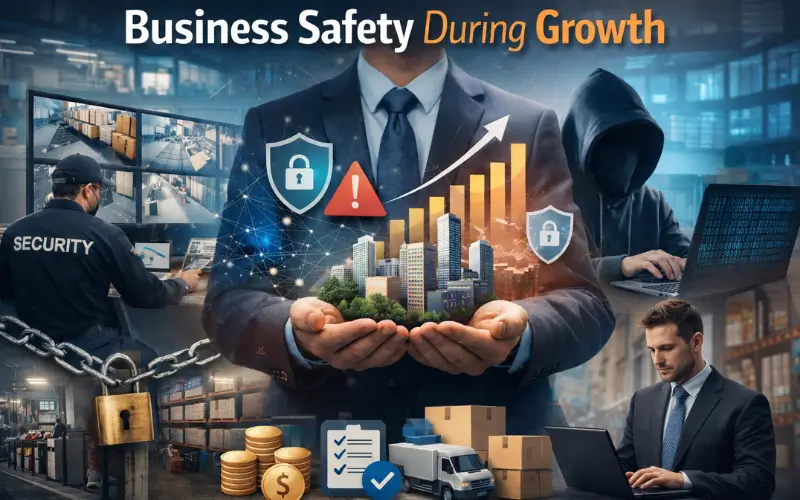
Business growth is exhilarating, there’s nothing quite like seeing your vision take shape and your efforts pay off. However, as your company expands, the landscape of risks and vulnerabilities expands right along with it. Too many entrepreneurs get caught up in the excitement of scaling operations and capturing market share, inadvertently neglecting the safety protocols that protect everything they’ve built. This oversight isn’t just risky, it can be devastating, potentially erasing years of progress in a single incident. Whether you’re running a manufacturing facility, launching the next innovative tech company, or managing a growing service business, treating safety as a foundational element of your growth strategy isn’t optional, it’s essential for long-term viability.
Physical Security Considerations for Expanding Operations
When you’re adding facilities or expanding existing ones, physical security quickly becomes more complicated than you might expect. A larger footprint doesn’t just mean more space, it means more entry points, more valuable assets spread across different locations, and employees coming and going at all hours. Comprehensive access control systems have become non-negotiable, ensuring only authorized personnel can access sensitive areas while keeping potential threats at bay. Today’s security solutions should include surveillance cameras with remote monitoring, alarm systems that communicate directly with local law enforcement, and visitor management protocols that track everyone who steps foot on your property.
Cybersecurity in the Digital Business Landscape
The digital tools that fuel business growth also open doors to threats that didn’t exist a generation ago. As you adopt sophisticated software platforms, migrate to cloud-based systems, and connect an ever-growing network of devices, your exposure to cyber threats grows exponentially. There’s a dangerous misconception among small business owners that they’re somehow beneath the notice of hackers, nothing could be further from the truth. Growing businesses with developing security infrastructure are actually prime targets because they’re often easier to penetrate than established corporations with mature defenses.
Employee Safety and Workplace Health Standards
Rapid hiring to support growth can inadvertently compromise safety standards if you’re not careful. Each new team member brings tremendous value but also represents a potential safety risk if they aren’t properly integrated into your safety culture. Comprehensive onboarding needs to include thorough safety orientation specific to each role, crystal-clear communication about emergency procedures, and ongoing refresher training so standards don’t erode as headcount increases. Beyond the initial training, you’ll want to cultivate an environment where people feel comfortable reporting hazards without worrying about backlash, this creates a self, reinforcing culture of safety awareness.
Financial Security and Fraud Prevention
As your revenue grows and financial transactions become increasingly complex, your business becomes a more tempting target for various types of fraud. The internal controls that worked perfectly well when you were smaller often prove dangerously inadequate at scale. Segregation of duties, ensuring no single employee controls all aspects of any financial transaction, significantly reduces opportunities for embezzlement or financial manipulation. Both internal and external audits conducted regularly help catch irregularities before they balloon into existential threats.
Supply Chain and Vendor Security
Expansion typically means forging relationships with new suppliers, distributors, and service providers, each one representing a potential weak link in your security chain. Your company’s security can only be as robust as the least secure partner in your supply chain, which makes thorough vendor security assessments critical. Before committing to new vendor relationships, conduct proper due diligence that examines their security protocols, financial stability, and industry reputation. Contracts should explicitly outline security expectations, data protection requirements, and liability arrangements if breaches or failures occur. For businesses in manufacturing or those handling sensitive information, securing industrial operations in a timely manner becomes paramount when integrating interconnected systems and managing vendor relationships across complex supply chains. Supply chain attacks, where bad actors infiltrate target companies through less-secure vendors, have surged in recent years, making vendor security an ongoing monitoring responsibility rather than a one-time checkbox. Maintaining regular communication with key vendors about security updates, emerging threats, and evolving best practices helps build a collaborative security ecosystem that strengthens everyone involved.
Emergency Preparedness and Business Continuity Planning
Growing businesses frequently operate with tight margins and limited backup systems, which makes them particularly vulnerable when disasters strike. Comprehensive business continuity and disaster recovery plans ensure your company can survive unexpected crises without catastrophic losses. These plans need to identify which business functions are absolutely critical, establish clear protocols for maintaining operations during emergencies, designate who makes decisions when things go sideways, and outline how you’ll communicate with employees, customers, and stakeholders. Regular drills and tabletop exercises reveal gaps in your planning and ensure everyone knows their role when the unexpected happens.
Conclusion
Building a thriving business means striking the right balance between ambitious growth and thoughtful risk management. The safety measures we’ve explored, spanning physical security, cybersecurity, employee welfare, financial controls, supply chain integrity, and emergency preparedness, aren’t costs to be minimized but investments that protect everything you’ve worked to build. As your business continues growing, make it a habit to regularly reassess your security posture, update your protocols to address emerging threats, and maintain the discipline to prioritize safety even when facing competitive pressures. The most successful businesses aren’t always the ones that grow fastest, they’re the ones that grow sustainably, building rock-solid foundations capable of supporting long-term success. By weaving safety into the fabric of your growth strategy rather than treating it as an afterthought, you’re positioning your business to thrive not just this year but for decades to come.