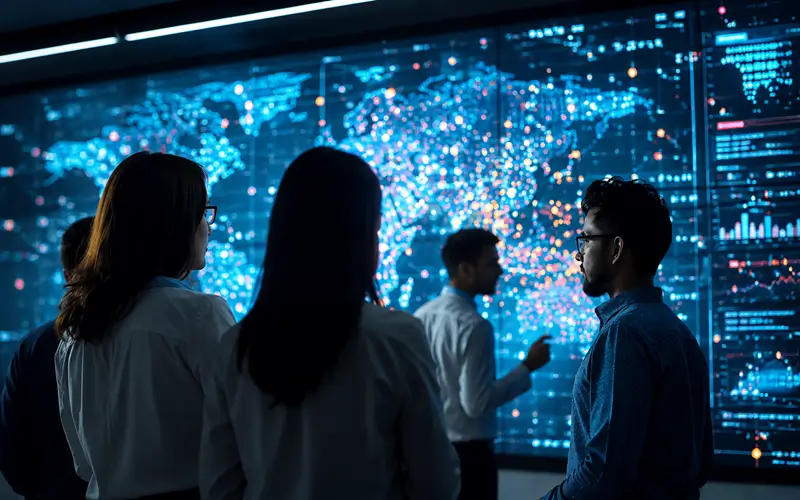
Large transportation networks play a vital role in connecting people, goods, and industries across vast regions. As populations grow and technology advances, pressure increases on cities, countries, and private operators to modernize their systems. Modernization promises greater efficiency, improved safety, and better sustainability. However, upgrading large networks involves more than replacing old equipment. It requires coordinating across agencies, managing significant costs, adopting new technologies responsibly, and preparing for long term operational shifts. These challenges are complex and intertwined, often requiring years of planning and collaboration to resolve.
Integrating New Technologies Into Legacy Systems
One of the most significant hurdles in transportation modernization is the integration of advanced technologies into existing infrastructure. Many networks were built decades ago and were never designed to support modern digital systems. Railways relying on older signaling must accommodate sensors, data platforms, and real time monitoring systems. Road networks need upgraded communication tools that support connected vehicles and adaptive traffic controls. Airports face similar issues as they incorporate advanced ground equipment such as a specialized airplane tug, automated fueling systems, and digital tracking tools.
Bringing new tools into outdated environments requires careful engineering and long transition periods. Legacy systems often cannot be replaced all at once, so agencies must maintain daily operations while gradually inserting new capabilities. This balancing act creates potential delays, temporary inefficiencies, and safety considerations. Successful integration requires coordinated planning across technology teams, operations staff, and regulatory authorities.
Funding, Budget Constraints, and Long-Term Investment
Modernizing a major transportation system can be one of the most expensive investments a public or private entity undertakes. Costs accumulate quickly when accounting for new equipment, training, construction, and long term maintenance. Even when funding is approved, budgets often fall short due to rising construction costs, inflation, or unexpected engineering challenges.
Large projects also require financial planning that extends decades into the future. Budget cycles change, political priorities shift, and economic conditions fluctuate. Maintaining stable investment is difficult when leadership changes or when short term pressures overshadow long term goals. For example, a city may prioritize immediate congestion relief over infrastructure upgrades that take years to complete. Similarly, an airport may delay new ground equipment because nearby terminals require renovation. Without consistent long term funding, modernization efforts stall, fragment, or lose efficiency.
Coordinating Multiple Stakeholders and Agencies
Transportation networks rarely belong to a single organization. They typically involve public agencies, private contractors, local governments, national authorities, and community stakeholders. Each group has its own priorities, regulations, and operational responsibilities. Coordination becomes especially challenging in projects that cross regional boundaries, such as commuter rail expansions or multi city airport upgrades.
Differing goals can slow progress. For example, environmental groups may advocate for more sustainable building materials, while transportation authorities focus on speed and capacity. Local communities may request noise mitigation or traffic adjustments that affect construction timelines. Freight carriers, airlines, and transit operators may have conflicting interests regarding scheduling or lane access. Successful modernization requires strong communication, transparent planning, and a willingness among stakeholders to compromise for shared benefit.
Workforce Training and Operational Adjustments
Modern equipment and digital systems require new skills that many existing employees were never trained to use. Mechanics, operators, engineers, and dispatchers may need to adapt to technology that relies heavily on data analytics, automation, and remote monitoring. These changes can disrupt operations if training is not thorough and consistent.
Additionally, modernization can shift roles within organizations. Automation may reduce the need for certain manual positions while increasing demand for technicians with specialized technical knowledge. This transition can create workplace tension if employees feel unprepared or uncertain about future job security. Addressing these concerns through comprehensive training programs and clear communication is essential for maintaining morale and ensuring a smooth transition.
Balancing Sustainability With Operational Demands
Sustainability has become a driving force in modern infrastructure planning. Transportation systems are significant contributors to energy consumption and emissions, so modernizing them provides opportunities to reduce environmental impact. However, balancing environmental goals with operational reliability can be difficult.
For example, electric buses or rail systems require significant power capacity and charging infrastructure. Airports seeking cleaner ground operations must adopt energy efficient vehicles, low emission power units, and environmentally friendly building materials. These improvements often require high upfront costs and detailed planning to avoid disrupting daily activity. The challenge lies in implementing greener solutions while still meeting performance demands for speed, safety, and capacity.
Conclusion
Modernizing large scale transportation networks is a complex effort that requires far more than upgrading technology. It involves financial challenges, stakeholder coordination, sustainable planning, and workforce adaptation. Each component of the network must evolve without compromising safety or daily operations. While the process is demanding, the long term benefits of modernization are substantial. Communities gain improved mobility, reduced congestion, better environmental performance, and reliable systems that support future growth. Strategic planning and collaborative leadership make it possible to overcome these challenges and build transportation networks that meet the demands of a modern world.