Home safety should be a top priority for every homeowner, yet it’s surprising how many people overlook critical improvements that could prevent accidents, injuries, and property damage. The National Safety Council reports that preventable injuries at home claim thousands of lives each year, and many of these tragedies could have been avoided through proper home modifications and safety upgrades. When you invest in safety-focused home improvements, you’re not just protecting your family; you’re also increasing your property value and potentially lowering those insurance premiums. Whether you’ve just purchased your first home or you’ve been living in the same place for decades, implementing these essential safety improvements can provide genuine peace of mind and create a secure living environment for everyone under your roof.
Install or Upgrade Your Home’s Lighting System
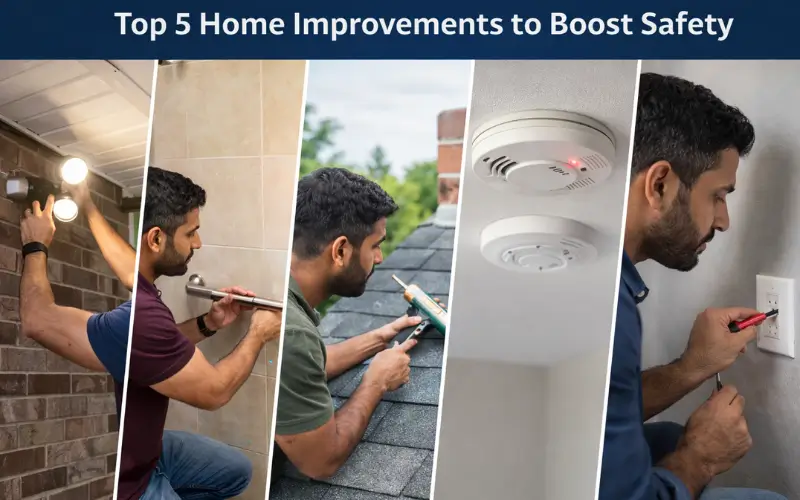
Proper lighting throughout your home stands as one of the most effective safety improvements you can make, yet it’s frequently overlooked. Inadequate lighting contributes to a significant percentage of household falls, which pose particular dangers for elderly residents and young children. Start by installing bright, energy-efficient LED lights in hallways, staircases, and entryways where clear visibility becomes crucial for safe navigation. Motion-activated exterior lighting actually serves dual purposes: it deters potential intruders while simultaneously illuminating walkways and preventing trips and falls when you’re arriving home after dark.
Consider adding under-cabinet lighting in your kitchen to improve visibility during food preparation, which reduces the risk of cuts and burns that stem from poor visibility. Don’t forget about outdoor areas like decks, patios, and driveways, these spaces need adequate lighting to prevent accidents during evening hours. Smart lighting systems with timer and remote control capabilities offer added convenience and security, allowing you to maintain a well-lit home even when you’re away on vacation. The peace of mind alone makes this upgrade worthwhile.
Upgrade to Non-Slip Flooring and Add Safety Rails
Slips and falls account for millions of emergency room visits annually, with bathrooms and staircases ranking as the most hazardous areas in most homes. Installing non-slip flooring materials in bathrooms, kitchens, and entryways can dramatically reduce the risk of dangerous falls on wet or slick surfaces. Textured tiles, slip-resistant vinyl, or treated hardwood with appropriate finishes provide both aesthetic appeal and functional safety benefits that you’ll appreciate daily.
Strengthen Your Home’s Structural Integrity with Roof Maintenance
When conducting roof maintenance, professionals like Ace Roofing ensure proper ventilation, which prevents ice dams in winter and excessive heat buildup in summer, both of which can compromise structural integrity. Ensuring your roof has adequate flashing around chimneys, vents, and skylights prevents water intrusion that weakens surrounding structures and creates hazardous conditions you might not notice until it’s too late. Additionally, trimming overhanging tree branches reduces the risk of damage during storms and eliminates pathways for pests to access your home. A well-maintained roof system also prevents basement flooding, foundation damage, and exterior wall deterioration, all of which can create unsafe living conditions if left unaddressed.
Install Comprehensive Smoke and Carbon Monoxide Detection Systems
Fire safety equipment represents one of the most critical yet affordable home safety improvements available to homeowners today. Installing interconnected smoke detectors on every level of your home, including inside bedrooms and outside sleeping areas, provides early warning that can mean the difference between safe evacuation and tragedy. Modern smoke detectors equipped with both photoelectric and ionization sensors detect both smoldering and fast-burning fires, offering comprehensive protection against various fire types that might threaten your home. Carbon monoxide detectors are equally essential since this odorless, colorless gas kills hundreds of people annually without any warning whatsoever. Place carbon monoxide detectors near bedrooms, in basements where furnaces are located, and near attached garages to detect dangerous buildup before it reaches lethal levels.
Upgrade Electrical Systems and Install GFCI Outlets
Outdated electrical systems pose serious fire and electrocution risks, particularly in older homes built before modern electrical codes were established. Warning signs of dangerous electrical issues include frequently tripping circuit breakers, flickering lights, discolored outlets, burning smells, or outlets that feel warm to the touch, if you’re experiencing any of these, don’t wait to address them. Hiring a licensed electrician to evaluate your home’s electrical system can identify potential hazards before they cause fires or injuries. Upgrading to modern circuit breaker panels with adequate amperage for contemporary electrical demands prevents overloading and reduces fire risk substantially.
Conclusion
Investing in these five essential home safety improvements creates a secure environment that protects your most valuable assets, your family and your home. While these upgrades require initial financial investment and planning, the long-term benefits of injury prevention, property protection, and peace of mind far outweigh the costs you’ll incur upfront. Many of these improvements also qualify for insurance discounts, provide tax benefits, and increase your home’s resale value, making them financially sound decisions beyond their obvious safety benefits.