The health of our veins is overlooked in the dialogue about wellness, yet it plays a vital role in one’s circulation, mobility and quality of life. With so much emphasis these days on the growing field of preventive medicine, doctors and health enthusiasts are learning that if it’s your heart you’re worried about, optimal vascular health means more than simply reacting after the fact. It recommends a thoughtful incorporation of wellness and prevention into the practice of evidence-based medicine.
This balanced approach not only pays attention to existing vein problems, it also greatly diminishes the potential for developing into something chronic. By integrating a lifestyle-centric approach to prevention with state-of-the-art medical knowledge, people
can preserve the function of their veins for life and enjoy comfort, mobility and youthful zest at any age.
Veins In Relation To Wellness
Veins are the blood vessels that return blood to the heart, and for good circulation, vein walls should be flexible, valves working properly and muscle movement regular. When these systems operate effectively together, blood flows smoothly and pressure in the veins remains regulated.
Problems occur when valves become weak or blood flow slows down, particularly in the legs. Over time, this can progress into symptoms like leg heaviness and swelling, fatigue, and noticeable vein changes. From a health standpoint, these symptoms are about more than isolated events, but messages that suggest one’s circulation needs a boost.
Preventive health is about learning to recognize these early signs and treating the underlying causes before they can develop into something much more serious.
That’s why prevention alone isn’t always sufficient
Lifestyle will always be the most effective way to keep your veins healthy. Healthy circulation is also aided by regular physical activity, weight control,hydration and good nutrition. But prevention has some limitations, especially after structural changes in the veins have developed.
If valves within the veins are destroyed, or if venous pressure permanently remains increased, medical consultation will be needed to understand more about any complications. Here is the cross section of preventive wellness and medical care. They do not compete so much as collaborate most effectively when applied together in a complementary fashion.
Today’s vein care builds on preventive measures by treating circulatory weaknesses that won’t be resolved by lifestyle adjustments.
The Importance of Movement and Everyday Routines
Inactivity is a major cause of vein stress today. Prolonged sitting in one place also hinders the normal blood flow and puts extra pressure on the veins of the lower part of your body. In the end, those habits can weaken vein walls and damage how your valves work.
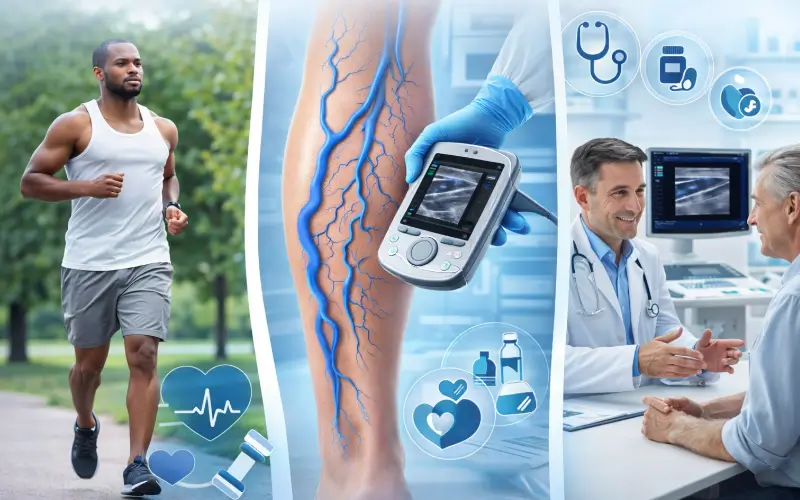
Preventive wellness promotes a lot of movement all day long, not just standard workouts. Walking, stretches and posture awareness can stimulate your calf muscles that serve as a natural pump for returning venous blood.
These are the foundational level of habits that encourage vein health, however they work best when partnered with proper medical advice for those who are having issues that don’t go away.
Nutrition and Circulatory Support
Diet makes a significant contribution to maintaining vascular health. The collagen in your body is supported by a good diet, which supports blood viscosity, inflammation and wall strength. Just as water is very important, so are the elements of dehydration that can thicken your blood and reduce circulation.
Cardioprotective nutrition Developing a healthy heart system contributes to better vein health. In combination with medical advice, dietary interventions might contribute to healing, recovery and long-term vascular fitness.
This is a team approach that allows people to make informed decisions ABOUT treatment and not in lieu of it!
Use of Medical Screening as a Preventive Tool
There is an increasing appreciation that medical care need not be confined to late-stage illness. Early medical assessment may be a prudent part of a preventative wellness routine, specifically if symptoms related to veins are slight.
Advanced diagnostic devices enable physicians to evaluate vein function in a highly targeted manner, even before they’re visible on the surface. This finding allows for focused intervention and avoids progression of venous diseases that would potentially continue
to develop with time.
For those considering professional care from a Vein Clinic The Woodlands, this approach represents a move toward preventative and patient-focused vein care rather than treating symptoms.
Medical Treatment and Lifestyle Management in Combination
Even when becoming the patient is unavoidable, it does not substitute for being well. Instead, it enhances their effectiveness. Vein treatments are focused on opening up circulation, minimizing venous pressure and returning the blood flow to its normal pattern.
After treatment, prevention focused on lifestyle becomes premise. Exercise, diet and habit of supporting circulation daily help keep the results up and prevent them from coming back. This combination enables treatment results to last and coincide with the general health objectives of patients.
The best vein care plans understand that medical treatment and preventative wellness are not opposite methods.
Mental Wellbeing and Vein Health
Your physical wellbeing is linked to your mental health. Chronic pain, leg tiredness, or appearance of veins has impact on confidence level and desire to remain active. Some of these psychological effects can secondarily lead to poor circulation as they deter movement and healthful habits.
Attending to the health of veins via wellness and medical care discipline wedge sandal help physical well-being but support emotional strength. Higher support and knowledge among the population encouraged participation in preventive actions of long-term vascular health.
This whole-person view is consistent with the renewed focus on integrated care in contemporary health systems.
Aging, Mobility, and Long-Term Independence
One of the most important considerations as people age is mobility, or the ability to move about freely and easily. Blood vessels play an important part in this, especially in the lower body where circulation issues are more frequent.
Health promotion activities may attenuate age-related vessel changes, whereas medical interventions can treat structural limitations to movement. Combined, these strategies contribute to preserved walking performance, discomfort reduction, and maintenance of active living.
Consider the importance of vein health as part of your long-term wellness plan and stay active in exercise classes, jogging clubs, organized sports and daily routines well into life’s later stages.
Personalized Care for Sustainable Results
Vein Health Challenges are as Unique as You! Venous function is influenced by genetics, occupation, activity level and overall health. With preventive and therapeutic strategies combined, care can be customized to each individual’s specific needs.
Individualized approaches such as lifestyle advice, surveillance and intervention (if applicable) may be recommended. This flexibility helps care to develop with the
person, responding to their health requirements as they change throughout their lifetime.
This degree of personalisation is one of the hallmarks of contemporary patient-centred healthcare.
Conclusion
The best vein health comes not from one answer but the combination of proactive wellness and medical care. At the base, lifestyle habits are key to healthy circulation and then comes the medical knowledge that overcomes structural and functional limitations prevention cannot relax in.
When integrated, this approach will help save vein health, improve mobility and better one’s quality of life years down the road. With the higher levels of food and exercise education, vein health is beginning to be considered a key part of overall wellness – just like cardio health, nutritional health and mental health.
This well-rounded approach gives people the confidence to be directly involved in their own vascular health, helping them live life comfortably and confidently at all ages.