
European cars are different to service and maintain because they are built with advanced engineering, specialized technology, precise performance standards, and manufacturer-specific maintenance requirements. While they offer an exceptional driving experience, they also require experienced technicians, proper diagnostic equipment, and routine maintenance that follows factory recommendations.
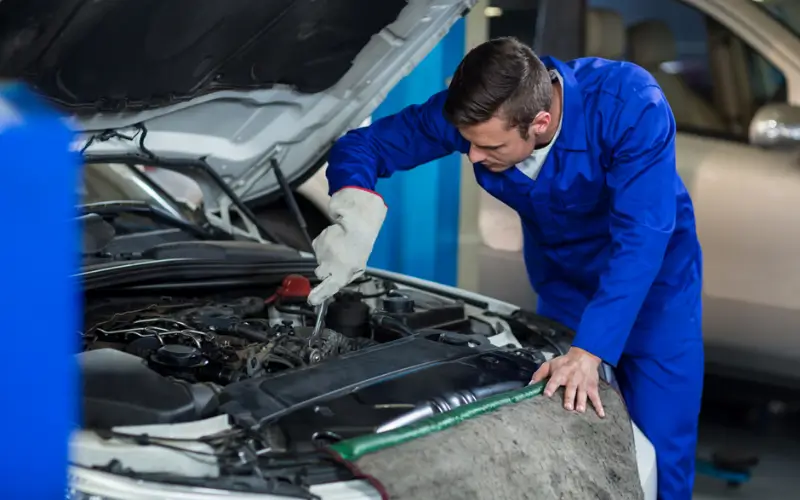
Georgia is home to a growing number of European vehicle owners, especially in cities where daily commuting and highway driving are common. From busy metropolitan areas to scenic rural roads, drivers depend on their vehicles for both performance and reliability.
As more people choose brands like BMW, Audi, Mercedes-Benz, Porsche, and Volkswagen, specialized maintenance has become increasingly important. That is why many owners rely on European auto services in Georgia to keep their vehicles operating safely and efficiently throughout the year.
Precision Engineering Sets European Cars Apart
European manufacturers are known for designing vehicles that deliver outstanding handling, comfort, and performance. Every component is engineered to work together with remarkable precision.
Unlike many standard vehicles, European models often feature the following:
- Advanced suspension systems
- Turbocharged engines
- Sophisticated transmissions
- Performance-focused braking systems
- Electronic driver assistance features
Because these systems are closely integrated, diagnosing and repairing problems often requires specialized knowledge.
Specialized Diagnostic Equipment Is Essential
Modern European vehicles contain dozens of electronic control modules that constantly monitor engine performance, safety systems, and driver convenience features.
When a warning light appears, a basic scan tool may not provide enough information to accurately diagnose the issue.
Professional repair facilities typically use manufacturer-specific diagnostic equipment capable of:
- Reading advanced fault codes
- Performing software updates
- Resetting service intervals
- Calibrating electronic systems
- Testing individual vehicle components
Accurate diagnostics reduce unnecessary repairs and help technicians identify the true cause of a problem.
Factory Maintenance Schedules Matter
European manufacturers place significant emphasis on preventive maintenance.
Routine services often include the following:
- Synthetic oil changes
- Brake fluid replacement
- Coolant inspections
- Transmission service
- Spark plug replacement
- Air and cabin filter replacement
Following factory service intervals helps protect engine performance and reduces the likelihood of expensive repairs later.
Skipping recommended maintenance may save money initially but can lead to significantly higher repair costs over time.
Genuine Parts Make a Difference
Many European vehicles are engineered with components that meet very specific performance standards.
Using quality replacement parts helps maintain the following:
- Reliability
- Fuel efficiency
- Engine performance
- Ride comfort
- Safety
While less expensive aftermarket parts may sometimes be available, they may not always provide the same level of durability or compatibility as components designed to manufacturer specifications.
Advanced Suspension Systems Require Expertise
European vehicles are widely recognized for their responsive handling and comfortable ride quality.
Achieving that driving experience depends on carefully engineered suspension components, including:
- Control arms
- Bushings
- Adaptive shock absorbers
- Steering systems
- Precision wheel alignment
These systems often require specialized tools and repair procedures to maintain proper performance.
Performance Engines Need Proper Care
Many European models use turbocharged engines that deliver impressive power while maintaining fuel efficiency.
These engines rely on:
- High-quality synthetic oil
- Proper cooling system maintenance
- Clean air filtration
- Timely oil changes
Ignoring maintenance recommendations can shorten engine life and affect performance.
Regular inspections help identify small issues before they become major mechanical problems.
Software Plays an Increasing Role
Today’s European vehicles are as much computers as they are automobiles.
Software controls many important functions, including:
- Engine management
- Transmission operation
- Stability control
- Safety systems
- Driver assistance technology
In some cases, software updates issued by manufacturers improve vehicle performance or correct known issues. Professional repair facilities have access to the equipment needed to install these updates properly.
Experienced Technicians Understand Model-Specific Needs
Each European manufacturer has its own engineering philosophy and service procedures.
For example:
- BMW emphasizes performance-oriented systems.
- Mercedes-Benz focuses on luxury and advanced technology.
- Audi incorporates sophisticated all-wheel-drive and electronic systems.
- Porsche vehicles feature high-performance engineering.
- Volkswagen models often include unique engine and transmission designs.
Technicians who regularly work with these vehicles develop valuable experience identifying common issues and applying manufacturer-recommended repair methods.
Scheduling routine European auto services in Georgia allows owners to benefit from technicians who understand the unique maintenance needs of these specialized vehicles.
Preventive Maintenance Protects Your Investment
European cars are built to deliver years of dependable performance when properly maintained. Routine inspections allow technicians to identify worn components, fluid leaks, and developing mechanical issues before they result in costly breakdowns.
Investing in preventive maintenance not only helps preserve vehicle reliability but also supports resale value and long-term ownership satisfaction.
With proper care, many European vehicles continue delivering exceptional performance well beyond 100,000 miles.
Key Takeaways
- European vehicles feature advanced engineering and specialized technology.
- Manufacturer-specific diagnostic equipment is essential for accurate repairs.
- Following factory maintenance schedules helps prevent expensive problems.
- High-quality replacement parts support long-term reliability.
- Advanced suspension systems require specialized knowledge.
- Turbocharged engines benefit from consistent preventive maintenance.
- Software updates play an important role in modern European vehicle performance.
- Choosing experienced technicians helps protect your investment and keeps your vehicle performing as intended.