Business communication has transformed dramatically over the past decade, and automated texting has become a cornerstone of how companies engage with their customers. Think about it: what once required teams of people sending individual messages has evolved into sophisticated systems that can reach thousands of people in seconds. This shift represents far more than mere convenience, it’s fundamentally changed how organizations connect with their audiences. Traditional communication channels haven’t disappeared, but they’re no longer enough to meet the expectations of today’s mobile-first consumers who crave immediate responses.
Understanding Automated Texting Technology
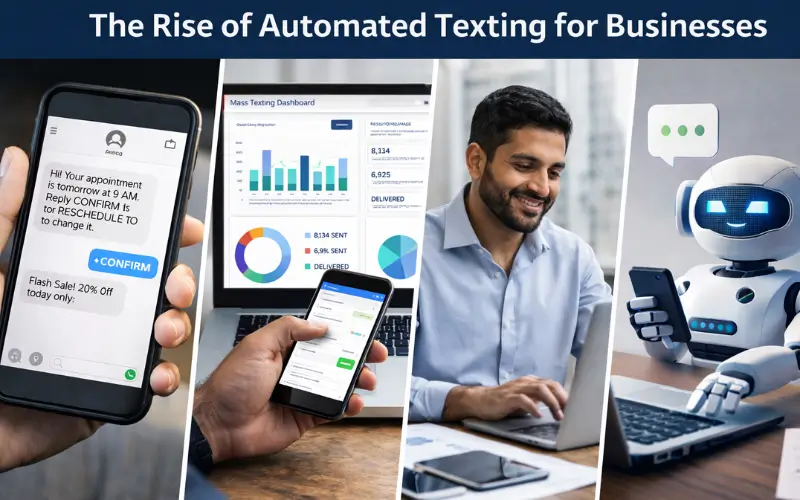
Modern automated texting systems use advanced software platforms that let businesses schedule, personalize, and send messages at scale with impressive precision. These platforms typically feature user-friendly interfaces where you can segment audiences, create targeted messages, and set up trigger-based communication flows, all without needing a computer science degree. Behind the scenes, sophisticated algorithms work to optimize delivery times, manage opt-in and opt-out preferences, and keep everything compliant with telecommunications regulations. What makes these systems particularly powerful is how smoothly they integrate with existing customer relationship management systems, e-commerce platforms, and marketing automation tools, creating a unified communication hub.
Key Applications Across Industries
Retail businesses have discovered that automated texting works brilliantly for flash sale notifications, abandoned cart reminders, and personalized product recommendations that get people to act quickly. Healthcare providers rely on these systems to send appointment reminders, medication adherence prompts, and wellness tips that genuinely improve patient outcomes while cutting down on those costly no-shows. Educational institutions use automated messaging to keep students and parents informed about schedule changes, emergency alerts, and important deadlines. Real estate professionals find text automation invaluable for nurturing leads, scheduling property viewings, and maintaining consistent follow-up with potential buyers and sellers throughout the often-lengthy sales process.
Strategic Benefits for Modern Businesses
Automated texting delivers genuinely impressive improvements in customer engagement metrics, text messages achieve open rates exceeding ninety percent, which absolutely dwarfs the significantly lower rates for email communications. This exceptional visibility means critical information actually reaches recipients promptly, making time-sensitive promotions and urgent notifications far more effective. Automated systems dramatically slash labor costs associated with manual communication efforts, freeing up staff to focus on higher-value activities that genuinely require human judgment and creativity. When launching promotional campaigns or urgent announcements, businesses rely on a mass texting service to reach thousands of customers simultaneously while maintaining message consistency. The scalability of these platforms is remarkable, businesses can maintain consistent communication quality whether they’re reaching hundreds or hundreds of thousands of recipients. Real-time delivery and response tracking provide immediate feedback that lets organizations assess campaign effectiveness and make data-driven adjustments on the fly. The ability to automate routine communications while still maintaining personalization creates a customer experience that feels genuinely attentive and responsive without requiring proportional increases in staffing levels. Beyond the immediate communication benefits, automated texting generates valuable customer data and behavioral insights that inform broader marketing strategies and business decisions, creating compound value over time.
Best Practices for Implementation Success
Successful automated texting campaigns start with building a permission, based subscriber list through transparent opt-in processes that clearly explain what value recipients will receive and how often they’ll hear from you. Message content needs to be concise, actionable, and genuinely valuable to recipients, nobody wants promotional overload that’ll prompt them to unsubscribe or develop negative feelings about your brand. Getting the timing right requires understanding your audience’s preferences and behaviors so messages arrive when people are actually receptive and able to take the actions you’re suggesting. Segmentation strategies that divide audiences based on demographics, purchase history, engagement levels, or other relevant criteria enable much more targeted messaging that truly resonates with specific recipient groups.
Future Trends Shaping Automated Messaging
Artificial intelligence and machine learning technologies are increasingly finding their way into automated texting platforms, enabling predictive send-time optimization and dynamic content generation tailored to individual recipient characteristics. Conversational messaging capabilities that support genuine two-way interactions are transforming automated systems from simple broadcast tools into sophisticated dialogue platforms that can actually handle inquiries and provide personalized assistance. Rich media support is expanding well beyond plain text to include images, videos, and interactive elements that boost engagement and convey complex information much more effectively. Integration with emerging technologies like chatbots and virtual assistants is creating seamless experiences where automated texting serves as one component of comprehensive customer service ecosystems that work together intelligently.
Conclusion
Automated texting has evolved from an interesting novelty to an absolutely essential business tool that delivers unmatched engagement rates and operational efficiency. The technology’s remarkable versatility across industries, combined with its measurable benefits and continuous innovation, ensures it’ll maintain its central role in modern communication strategies for years to come. As businesses increasingly recognize that meeting customers on their preferred channels with timely, relevant messages drives both loyalty and revenue, automated texting platforms will continue expanding their capabilities and finding new applications. Organizations that strategically implement these systems while sticking to established best practices position themselves to thrive in competitive markets where immediate, personalized communication has become the baseline expectation rather than a pleasant surprise.