
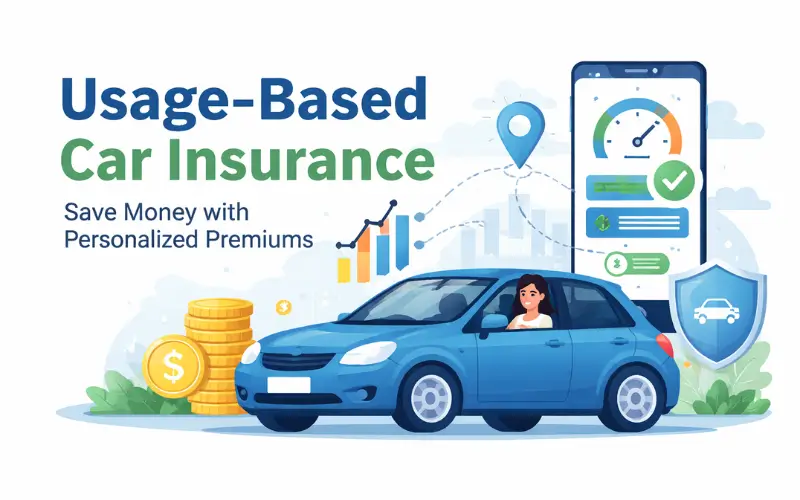
Usage-based car insurance marks a revolutionary shift in how drivers pay for their auto coverage. Gone are the days when premiums were determined solely by demographic factors and driving history. Instead, this innovative approach uses telematics technology to monitor actual driving behavior, tracking how, when, and how much someone really drives. For drivers with safe habits and lower mileage, this modern insurance model presents a genuine opportunity to slash premiums compared to traditional flat-rate policies. Understanding how usage-based insurance works can help determine whether this personalized approach matches individual driving patterns and budget considerations.
Understanding the Fundamentals of Usage-Based Insurance
Usage-based insurance (UBI) flips conventional insurance logic on its head. Why should premiums be based on statistical averages applied to broad demographic groups? UBI operates on a simpler principle: payments should reflect actual risk rather than assumptions. The system collects real-time data about driving habits through smartphone apps, plug-in devices connecting to a vehicle’s diagnostic port, or factory-installed telematics systems. What gets tracked? Total miles driven, time of day when driving occurs, hard braking frequency, rapid acceleration patterns, and sometimes even road types traveled. Insurance providers crunch this information to build a personalized risk profile that determines premium costs. The real advantage here? Safe drivers can prove their low-risk status through behavior rather than being lumped into categories that might not fit their situation. It’s insurance that actually watches what happens behind the wheel.
Types of Usage-Based Insurance Programs
Insurance companies have developed several variations of usage-based programs, each with distinct approaches to data collection. Pay-per-mile insurance zeroes in on total distance driven, making it perfect for remote workers, public transit users, or anyone who keeps their car parked most days. Pay-how-you-drive programs take a more comprehensive view, monitoring speed, braking patterns, acceleration, cornering, and traffic law adherence. Hybrid programs blend both approaches, weighing mileage alongside driving behavior to calculate premiums.
Technology Behind Telematics Monitoring
The technological backbone supporting usage-based insurance relies on sophisticated telematics devices and data analytics platforms. Mobile applications tap into smartphone sensors, GPS, accelerometers, gyroscopes, to track driving behaviors without requiring extra hardware. Plug-in devices (often called dongles) connect to the OBD-II port found in most vehicles manufactured after 1996, accessing vehicle data systems directly for precise information about speed, braking, and engine performance. Newer vehicles sometimes come with built-in telematics systems that transmit driving data straight to insurance providers through cellular connections.
Financial Benefits and Potential Savings
The economic advantages of usage-based insurance can be substantial for drivers maintaining safe habits. Initial enrollment often brings an immediate discount ranging from five to thirty percent, instant savings before demonstrating anything. Ongoing discounts based on proven safe driving can stack up to premium reductions of forty or even fifty percent compared to traditional policies for the safest drivers. Low-mileage drivers particularly benefit since reduced road time directly translates to lower premiums, with some pay-per-mile programs charging just pennies per mile beyond a small base rate.
When evaluating coverage options, professionals who maintain consistent safe driving records often explore car insurance for safe drivers that rewards their documented behavior patterns. The transparent feedback these programs provide helps drivers spot and correct risky behaviors, potentially preventing accidents and the insurance cost increases that follow. It’s a virtuous cycle: improved habits lead to lower premiums, which reinforces motivation to maintain those safe behaviors. The financial incentive structure essentially pays drivers to develop better habits, something traditional insurance never offered.
Considerations Before Enrolling in a UBI Program
Despite potential benefits, usage, based insurance programs demand careful evaluation before jumping in. Privacy concerns loom large since these programs necessarily collect detailed information about location, driving times, and travel patterns. Some people simply aren’t comfortable with that level of monitoring. Drivers with unavoidable high-risk patterns face challenges too, think about those commuting during rush hour or working night shifts requiring late-night driving.
Conclusion
Usage-based car insurance represents a significant evolution in how vehicle coverage gets priced and delivered. By offering personalized premiums that reward safe driving and reduced road time, these programs create opportunities for substantial savings while encouraging safer roads through behavior modification. The various program types accommodate different driving patterns, from simple mileage-based pricing to comprehensive behavior monitoring systems. Telematics technology makes it all possible, moving beyond demographic statistics to track actual driving patterns.