
Living with chronic pain or dealing with occasional discomfort can seriously affect your quality of life, from your daily productivity to your emotional balance. Sure, pharmaceutical pain medications have their place in modern medicine, but there’s growing interest in exploring natural alternatives that might offer relief without those unwelcome side effects we’ve all heard about. People have relied on natural pain relievers for centuries across different cultures, and here’s the thing: modern research keeps validating many of these traditional remedies. When you understand your options for natural pain management, you’re better equipped to make informed decisions about your health and maybe even cut back on synthetic medications.
Turmeric and Its Active Compound Curcumin
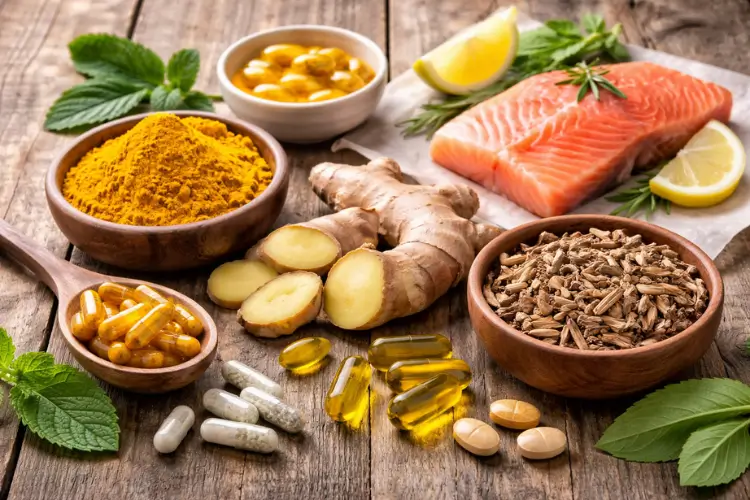
Turmeric ranks among the most extensively researched natural anti-inflammatory compounds you can find today. That vibrant golden color? It comes from curcumin, the active ingredient that makes this spice so therapeutic. This ancient staple of Indian cuisine and Ayurvedic medicine has shown remarkable potential in managing various types of pain, especially inflammation-related issues. Research demonstrates that curcumin can inhibit multiple inflammatory pathways in your body, which makes it effective for conditions like arthritis, joint pain, and muscle soreness. The compound works by blocking inflammatory cytokines and enzymes, including cyclooxygenase-2, a key player in pain and inflammation. Here’s a pro tip: consume turmeric with black pepper to maximize absorption. Black pepper contains piperine, which can enhance curcumin absorption by a staggering 2,000 percent. You’ve got plenty of options for incorporating it into your routine, golden milk, curry dishes, or high-quality supplements formulated with black pepper extract for optimal bioavailability.
Ginger Root for Pain Management
Ginger has earned its reputation as a powerful natural pain reliever through centuries of traditional use and an impressive body of scientific evidence. This knobby root contains compounds called gingerols and shogaols that work similarly to non-steroidal anti-inflammatory drugs by blocking the production of inflammatory chemicals in your body. What’s particularly interesting is how research highlights ginger’s effectiveness in reducing muscle pain, menstrual cramps, and osteoarthritis symptoms, some studies show pain reduction comparable to medications like ibuprofen.
Omega-3 Fatty Acids and Chronic Inflammation
The link between omega-3 fatty acids and pain relief comes down to these essential nutrients’ powerful ability to reduce systemic inflammation throughout your body. You’ll find them abundantly in fatty fish, like salmon, mackerel, and sardines, plus plant sources like flaxseeds and walnuts. These healthy fats work at the cellular level to modulate inflammatory responses in fascinating ways. Your body converts them into compounds called resolvins and protectins, which actually resolve inflammation and promote healing rather than just masking symptoms.
Cannabis-Derived Compounds and Pain Relief
The therapeutic potential of certain cannabis compounds has captured significant attention recently as more research emerges about their pain-relieving properties. Various naturally occurring compounds found in cannabis plants interact with your body’s endocannabinoid system, which plays a crucial role in regulating pain perception, inflammation, and overall balance. These plant compounds have shown real promise in managing different types of pain, including neuropathic pain, which is notoriously difficult to treat with conventional medications. Many people report finding relief from chronic pain conditions through specific cannabis-derived products that contain various cannabinoid profiles. The legal landscape has evolved considerably, with many regions now allowing access to certain cannabis products for therapeutic purposes. When evaluating natural pain management options, professionals assessing various cannabinoid profiles often explore different THCA strains to identify the most appropriate formulations for specific pain management needs. You’ll want to research the legal status in your area, consult with healthcare providers familiar with these compounds, and start with low doses to assess your individual tolerance and how well they work for you.
Willow Bark: Nature’s Aspirin
Willow bark deserves recognition as one of humanity’s oldest natural pain relievers, we’re talking documented use dating back thousands of years to ancient Egyptian, Greek, and Roman civilizations. This natural remedy contains salicin, a compound your body converts into salicylic acid, which is chemically similar to acetylsalicylic acid (the active ingredient in aspirin). The anti-inflammatory and pain-relieving properties of willow bark make it particularly effective for headaches, lower back pain, osteoarthritis, and other inflammatory conditions. Unlike synthetic aspirin, willow bark contains additional plant compounds that may work synergistically with salicin, enhancing therapeutic effects while potentially reducing side effects.
Conclusion
Natural pain relievers offer compelling alternatives, or complements, to conventional pharmaceutical approaches, providing options that many people find gentler on their systems while still delivering meaningful relief. The five natural remedies we’ve explored, turmeric, ginger, omega-3 fatty acids, cannabis-derived compounds, and willow bark, each bring unique mechanisms of action and benefits to your pain management strategy. While these natural options show significant promise based on both traditional use and modern research, individual responses can vary considerably. What works exceptionally well for one person might be less effective for another. Before incorporating any new natural pain reliever into your routine, especially if you have existing health conditions or take medications, consulting with a qualified healthcare provider is essential to ensure safety and avoid potential interactions. By exploring these natural alternatives thoughtfully and systematically, you can develop a personalized pain management approach that aligns with your health goals and preferences while potentially reducing reliance on synthetic medications and their associated side effects.