
FlorEssence Tea is a combination of 8 herbs based on traditional Ojibwa herbal knowledge. Its ingredients, history, and preparation method provide you with several details to ponder when exploring the product. The combination also represents a holistic strategy for wellness, taking into account the physical, mental, emotional, and spiritual aspects of the body.
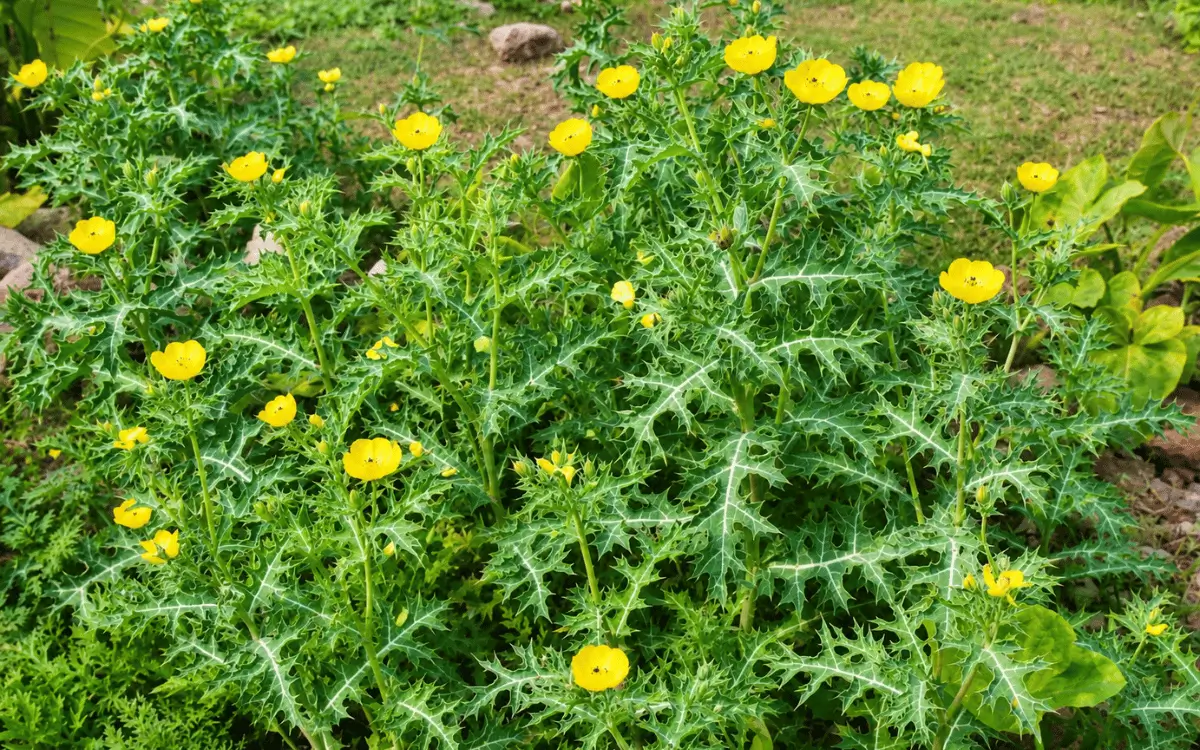
This guide delves into what makes a good liver cleanse tea, what makes FlorEssence special, and how its liquid and dry forms can be incorporated into a wellness regimen.
What Makes a Good Liver Cleanse Tea
A good liver cleanse tea will have a clear formula, ingredients that are carefully selected, and instructions on how to prepare and use. When it comes to choosing a blend, the traditional use of each herb could play a role too. Serving directions are particularly significant, particularly for repeated-use items.
The liver functions with other organs to metabolize substances, and wellness should be addressed as such. Even if a herbal tea is part of a personal regimen, it should not be considered a well-established means of cleaning the liver.
FlorEssence combines eight herbs in one traditional formula. Its ingredients and traditional background can help you understand what makes FlorEssence a distinctive option when exploring a liver cleanse tea for your wellness routine.
Why FlorEssence Tea Is a Preferred Choice for Holistic Wellness
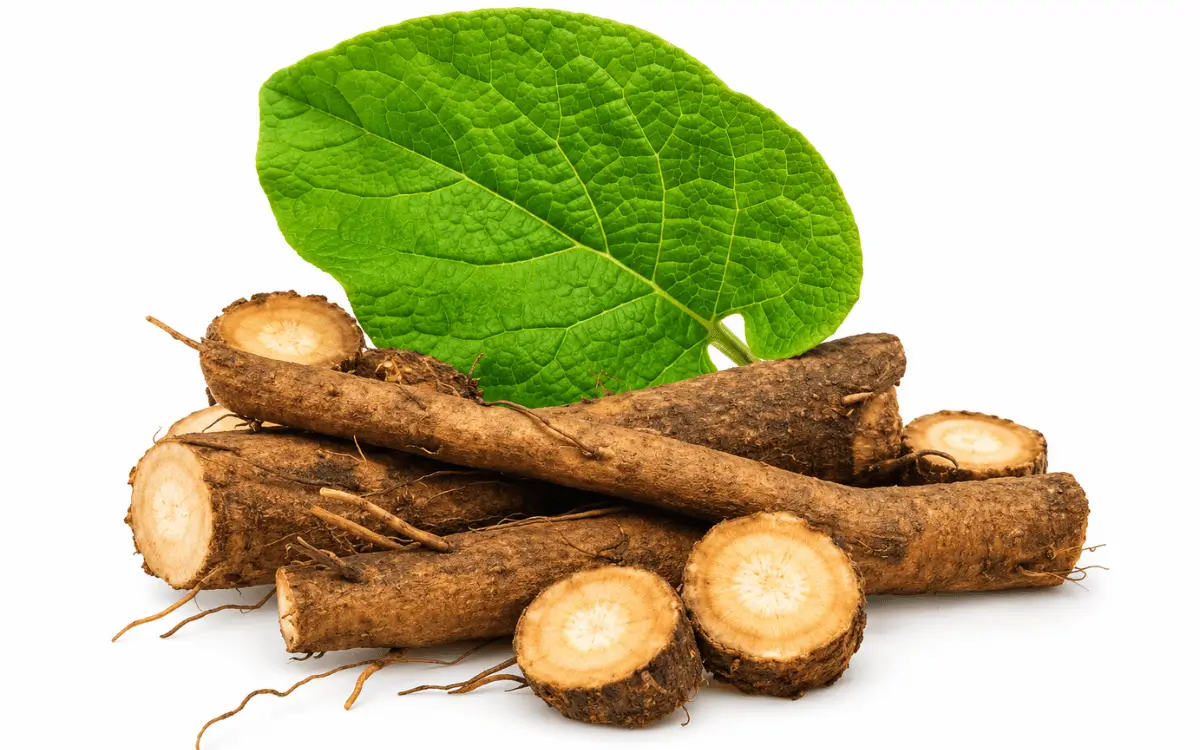
The tea contains 97% certified organic ingredients and is Non-GMO Project Verified and Kosher certified. These features give visitors a better idea of its ingredients and quality standards.
Beyond its ingredients, the blend reflects an approach to health that considers the body, mind, emotions, and spirit. It is not meant to be taken as a one-off beverage for a particular issue, but rather as part of a larger health program.
Understanding the Eight Herbs in FlorEssence Tea
Each of the eight herbs has its own features and history of use. FlorEssence combines them all in one blend, which it calls synergistic, meaning the ingredients are supposed to complement each other.
- Burdock Root: This root is used in traditional herbal medicine for cleansing and is also a source of inulin, a plant fiber.
- Sheep Sorrel: A leafy plant that was well known for use in herbal remedies.
- Slippery Elm Bark: The inner bark contains a mucilage, a thick, gel-like substance that has been used to soothe the digestive tract.
- Watercress: Naturally provides vitamins and minerals, including vitamins A and C.
- Blessed Thistle: Known for its bitter taste, this herb has traditionally been used to support digestion.
- Red Clover Blossom: These flowers have a place in traditional herbal practices.
- Rhubarb Root: The root is also called turkey rhubarb and has been traditionally used in products for bowel regularity.
- Kelp: This sea vegetable is a natural source of iodine and other minerals.
Together, the eight herbs make up the FlorEssence blend. The fact that they are used traditionally or contain nutrients does not mean the final tea detoxifies a person’s liver or cures a health condition.
The Traditional Story Behind FlorEssence Tea
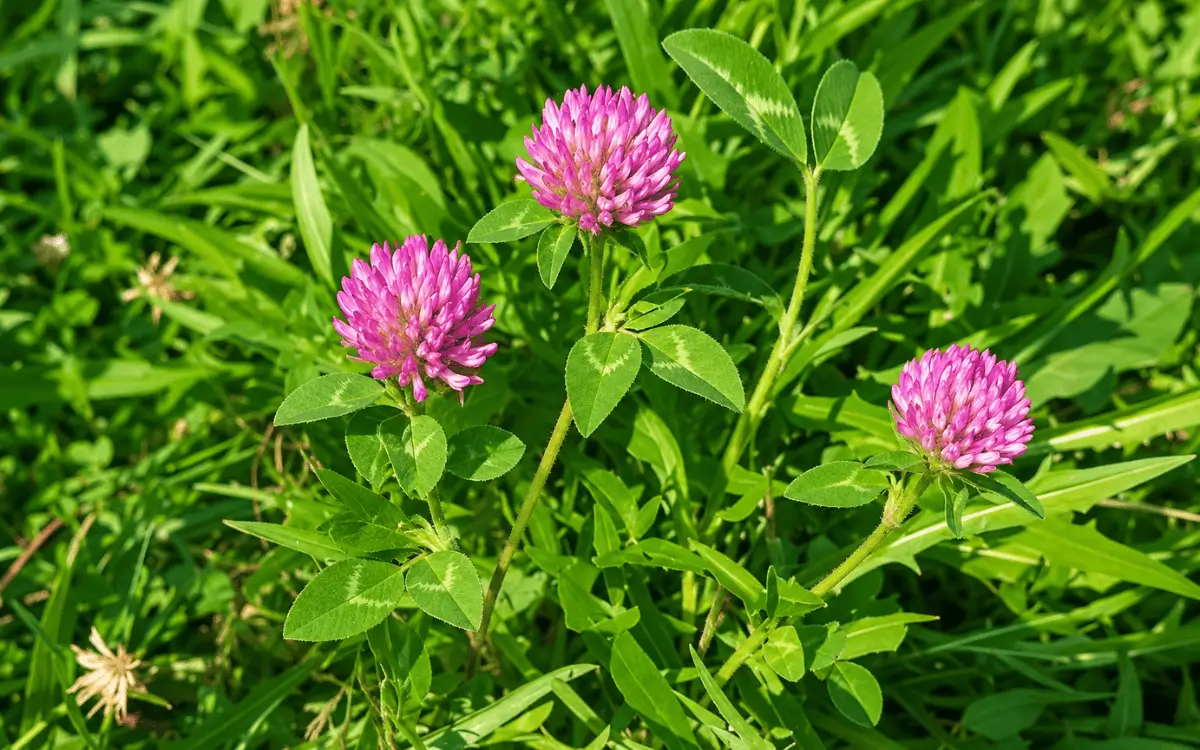
Canadian nurse Rene Caisse later became known for developing versions of the preparation. She called the formulas Essiac, spelling her surname backward. Dr. Charles Brusch also became part of the story through his work with Caisse. According to the brand, they worked together on the eight-herb blend that became known as FlorEssence.
Liquid and Dry FlorEssence Tea: Options for Different Preferences
FlorEssence is sold in liquid and dry forms. Both contain the eight-herb blend, but the preparation is different.
Liquid FlorEssence Tea
The liquid version comes pre-brewed in sealed glass bottles. It is ready to use after dilution with warm water, and the available sizes are 17 ounces and 32 ounces. Shake the bottle well and follow the serving directions on its label.
Dry FlorEssence Tea
The dry version comes in a 2.2-ounce box with three packets of pre-mixed herbs. Each packet makes about one quart of tea. It takes a few hours to prepare:
- Prepare the Water: Use purified or spring water and a pot made from glass, porcelain, ceramic, or stainless steel.
- Boil the Herbs: Add one packet to about 4 to 4½ cups of water as it begins to boil. Boil for about 12 minutes.
- Steep: Remove the pot from the heat, cover it, and leave the mixture at room temperature for 10 to 12 hours.
- Reheat and Strain: Bring to a boil again and pass through a sieve. Strain the liquid and press the herbs to collect the remaining liquid.
- Store: Pour the tea into clean glass bottles, label them with the brewing date, and refrigerate. Follow the brand’s recommendation for using the prepared tea within 30 to 45 days.
How to Make FlorEssence Tea Part of Your Wellness Routine
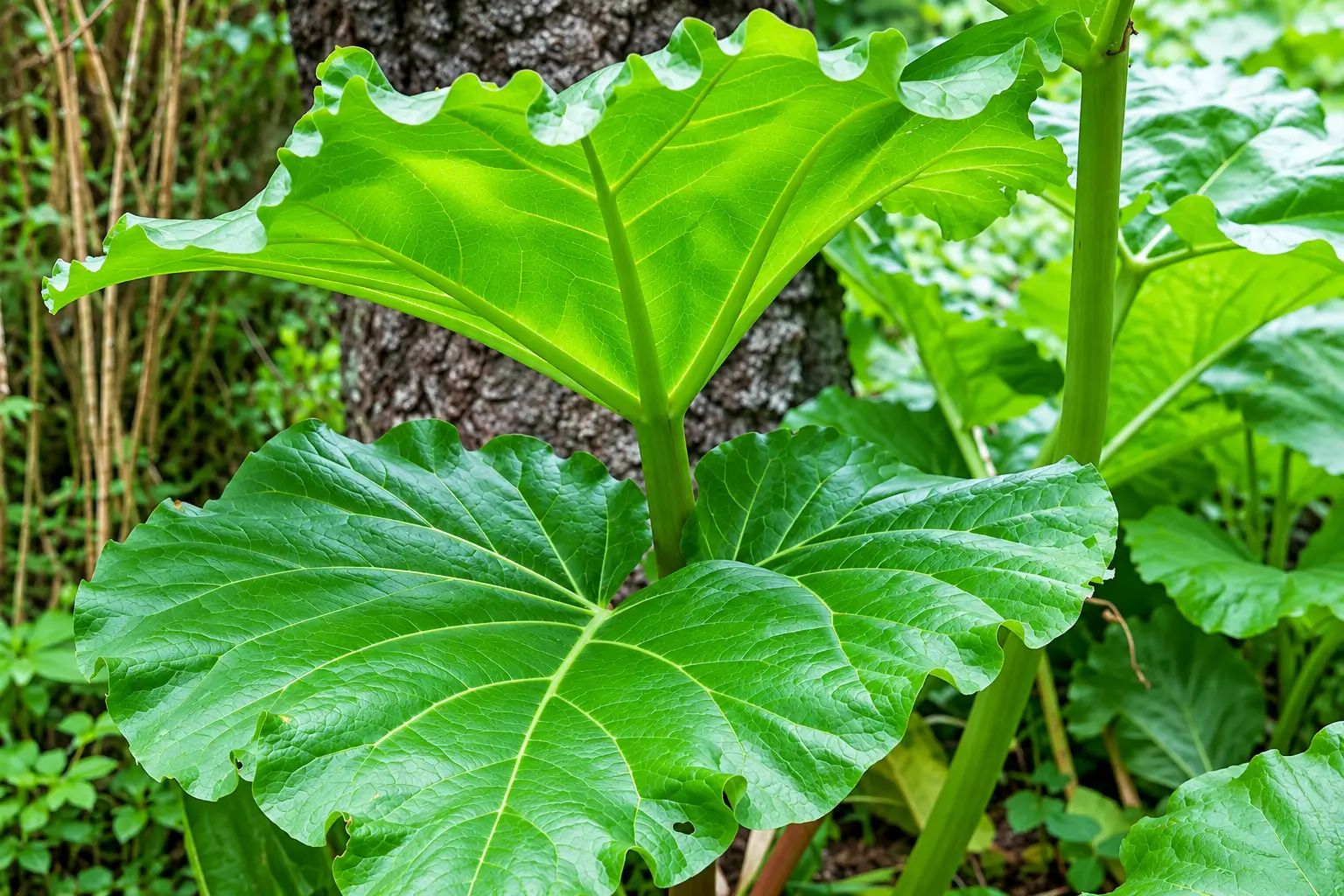
Also, you can create healthy habits around your tea time. Consume well-balanced meals, drink sufficient water, remain physically active, and get adequate sleep. These habits not only help you maintain your health, but they also help you live a healthier life every day.
While FlorEssence can be part of that regimen, it is not meant to replace good nutrition, exercise, or medical treatment. Consult a healthcare practitioner before beginning to use the tea if there is any doubt that it is right for you.
Conclusion
FlorEssence Tea combines eight herbs in a formula connected with traditional Ojibwa herbal knowledge and the work of Rene Caisse and Dr. Charles Brusch. Its liquid and dry forms offer different ways to prepare the blend, while its ingredient details and brewing directions explain what using the product involves.
If you are considering a liver cleanse tea, review its ingredients, directions, and limits. FlorEssence may interest you as one part of a wider wellness routine, alongside healthy habits and appropriate medical care.