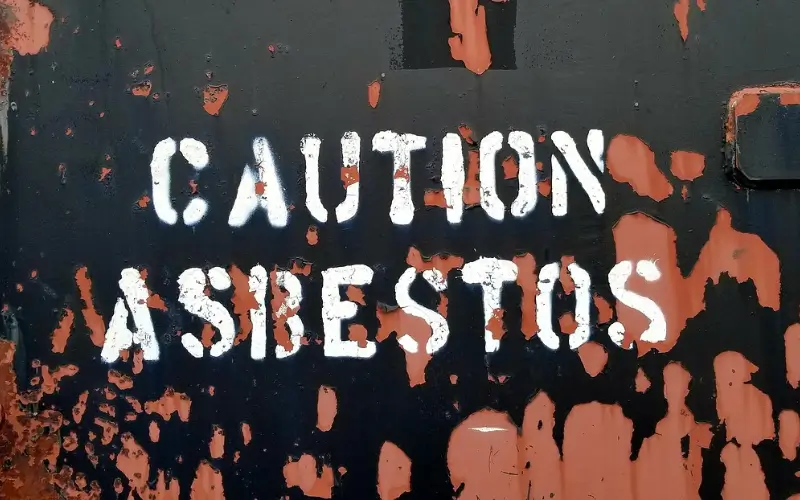
For much of the 20th century, asbestos was celebrated as a wonder material. Its heat resistance, durability, and affordability made it a staple in construction and household products across the United States. From insulation to floor tiles, asbestos seemed to promise safety and efficiency. Yet, beneath its reputation as a miracle fiber lay a hidden danger that would eventually transform it into one of the most notorious health hazards in modern history. The story of asbestos is a cautionary tale of innovation, oversight, and the long-term consequences of ignoring early warnings.
The Allure of a Miracle Material
Asbestos gained popularity in American homes during the early 1900s, largely due to its unique properties. It could withstand extreme heat, resist corrosion, and provide excellent insulation. These qualities made it ideal for use in roofing materials, siding, and even household appliances. At a time when fire safety was a growing concern, asbestos appeared to be the perfect solution. Manufacturers marketed it aggressively, and homeowners embraced it without hesitation. Few questioned whether such widespread use might carry risks, especially since the material was associated with progress and protection.
Early Warnings and Ignored Evidence
Despite its glowing reputation, concerns about asbestos were not entirely absent. As early as the 1920s, medical professionals began noticing a troubling pattern among workers exposed to asbestos dust. Respiratory illnesses and scarring of lung tissue were documented, but these findings were largely dismissed or downplayed by industry leaders. The economic benefits of asbestos were too significant to ignore, and regulatory oversight was minimal. This lack of action allowed asbestos to remain in homes and workplaces for decades, setting the stage for a public health crisis that would emerge much later.
The Health Toll and Legal Reckoning
By the mid-20th century, the dangers of asbestos could no longer be ignored. Studies linked prolonged exposure to severe illnesses, including asbestosis, lung cancer, and mesothelioma; a rare and aggressive cancer affecting the lining of the lungs and abdomen. These revelations sparked lawsuits and regulatory changes, but for many families, the damage had already been done. Homes built during the asbestos boom became silent threats, exposing residents to fibers that could linger in the air for years. As awareness grew, so did the demand for information and support, leading to the development of mesothelioma resources that help patients and families navigate treatment options and legal rights.
Removal and Remediation Challenges
Once asbestos was recognized as a hazard, removing it from homes became a priority. However, remediation proved complex and costly. Disturbing asbestos-containing materials can release dangerous fibers into the air, making professional removal essential. Homeowners faced difficult decisions: leave asbestos undisturbed or invest in expensive abatement procedures. Federal and state regulations now govern how asbestos is handled, but the legacy of its widespread use continues to pose challenges. Even today, older homes often conceal asbestos in insulation, flooring, and textured ceilings, requiring vigilance during renovations.
Conclusion
The rise and fall of asbestos in American homes underscores the importance of balancing innovation with caution. While the material offered undeniable benefits, the failure to address early health warnings resulted in decades of suffering and billions in cleanup costs. This history serves as a reminder that safety must remain a priority in the development and adoption of new technologies. Asbestos may no longer dominate the construction industry, but its impact endures; in the lives affected by exposure and in the regulations designed to prevent similar tragedies.