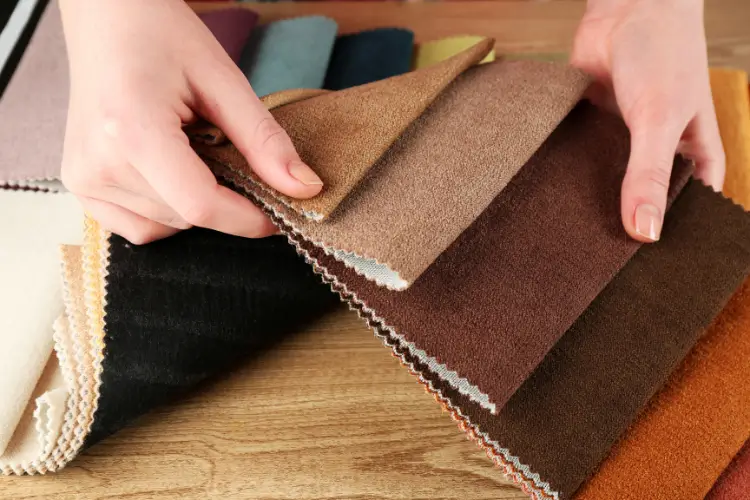
A physical sample answers questions that no screen can settle: how fabric hangs, how a print stretches across a seam, whether a dye looks different under store lighting, and whether the garment feels right on a body. But not every early design question deserves a sample. Teams often spend time and material producing versions simply to decide between two color stories or to see whether a graphic is too large. Kimg AI can support early visual exploration from prompts or reference images, helping apparel teams narrow directions before they move into technical sampling.
Use AI Before the Technical Questions Begin
The easiest way to misuse an AI fashion image is to treat it like a production specification. A convincing render cannot confirm fabric weight, print registration, shrinkage, hand feel, seam behavior, or colorfastness. Those questions still belong to real materials, technical packs, suppliers, and samples.
The useful stage comes earlier. Imagine a team developing a casual overshirt. The silhouette is already defined, but the design team is debating a muted olive version, a deep rust version, and a graphic back print. Before requesting several physical samples, it can create visual studies showing each broad direction. The goal is not to approve manufacturing from the image. It is to remove weak concepts from the queue so technical development begins with fewer, better-considered options.
Separate Concept Decisions From Production Decisions
A simple boundary prevents confusion. Concept decisions are about visual direction: palette, graphic scale, styling context, contrast, and overall mood. Production decisions concern measurable reality: fabric composition, Pantone or lab-dip approval, placement measurements, construction, trims, tolerances, and fit.
Teams should label AI concepts accordingly. “Rust color direction with oversized back artwork” is a useful concept note. “Approved rust fabric and 28 cm print placement” is not, unless those specifications came from the real development process. This distinction also helps non-design stakeholders. A sales manager can react to the overall commercial feel of a concept without assuming the picture represents an exact sample that already exists.
Run Three Visual Tests Before Requesting Samples
Early visual tests should remove uncertainty that is expensive but easy to explore digitally. Three types are especially practical for apparel work.
- Test Graphic Scale in Context
A logo or illustration that looks balanced on a flat artboard can feel completely different on a garment. Create rough studies with a small chest placement, medium back print, and oversized version. Look at the relationship between the artwork and the silhouette rather than measuring pixels. This can reveal that an idea feels too timid, too dominant, or awkwardly positioned before a supplier is asked to make screens, transfers, or decorated prototypes.
- Test Color Relationships Across the Whole Look
A color rarely exists alone. The body fabric, rib, buttons, stitching, print, and styling pieces all affect how it reads. Use concept images to compare tonal combinations against higher-contrast ones. A navy overshirt with a cream graphic may feel classic, while the same garment with acidic green artwork moves into a different market. These studies help merchandisers and designers discuss the customer and collection story before exact color standards are locked.
- Test the Garment in Different Styling Contexts
A piece intended for everyday retail should work beyond a single art-directed outfit. Place the same broad design direction into two or three plausible styling contexts: with denim, over a basic tee, or layered under outerwear. This is not about predicting exact drape. It is a check on versatility and visual identity. If the garment only looks convincing in one highly controlled image, the team may need to rethink the concept before spending on samples.
Use Reference Editing to Preserve the Core Garment Idea
When a team already has a sketch, sample photograph, or approved silhouette, Nano Banana AI can help explore image-to-image variations while keeping the reference central. Prompts should make the preservation requirement explicit: keep the overshirt silhouette, pocket positions, and overall proportions; change only the color direction and back graphic mood.
That wording matters because an attractive output that quietly changes the collar, hem, sleeve volume, or pocket construction is less useful for product discussion. Always compare the concept with the original reference. If a generated version introduces a design detail that the team likes, move that idea back into the normal design process and document it properly. Do not let an accidental AI alteration become an invisible change to the product brief.
Know What the Concept Can and Cannot Tell You
A practical review table can keep early visuals in their proper role.
| AI Concept Can Help Explore | Still Requires Physical or Technical Validation |
| Broad color direction | Exact dye or print color |
| Graphic scale and visual balance | Placement measurements and registration |
| Styling context | Fit, comfort, and movement |
| Collection mood | Fabric weight, texture, and hand feel |
| Relative contrast | Wash performance and durability |
| General customer impression | Construction quality and production feasibility |
This is especially important when concepts are shared outside the design team. Buyers, founders, or marketing staff may read a highly realistic image as a finished product. Add a visible “concept” label in internal decks and place real sample photography beside the final approved product when decisions move forward.
Use Fewer Concepts to Get Better Feedback
Unlimited generation can produce the opposite of clarity. If a meeting begins with twenty colorways and twelve graphic variations, stakeholders often react randomly to small details. Narrow the field before review. A useful set might contain three clearly different directions, each connected to a reason: commercial core, bolder fashion option, and experimental seasonal option.
Ask structured questions. Which direction best fits the intended customer? Which graphic scale still reads from a distance? Which palette sits naturally beside the rest of the range? What would prevent you from sampling this option? These questions turn the review into a decision rather than a taste survey. After the meeting, archive rejected routes and move only the selected concepts into technical development.
Connect the Visual Test Back to Material Efficiency. Digital exploration does not automatically make apparel development sustainable, but it can help teams avoid unnecessary early samples when the unresolved question is purely visual. The biggest benefit comes from discipline: do not sample five color stories if a concept review can confidently reduce them to two. Do not request multiple decorated prototypes just to discover that the artwork scale was obviously wrong.
At the same time, teams should not skip samples that serve a real technical purpose. Fit, construction, fabric behavior, wash testing, and approved color standards still require physical validation. The aim is to use each method for the question it can answer best. Digital concepts reduce avoidable indecision; real samples confirm the garment that will actually be made. That sequence also gives suppliers a cleaner brief, because they receive fewer speculative directions and more deliberate choices from the brand team.
Conclusion
AI visuals are most useful in apparel development when they sit before, not instead of, sampling. Use them to compare graphic scale, broad color relationships, and styling context, then carry only the strongest directions into the technical process. Keep concept images clearly labeled and never treat a realistic render as proof of fit, fabric, or production quality. For your next style, identify which questions are purely visual before requesting samples. Resolving those first can make the later physical development process more focused and easier to review.