Strong accident claims are often built from details that seem ordinary at first. A short phone record, a nearby camera, or a statement from another driver can change how clearly distraction is proven. Because distracted driving is not always obvious from vehicle damage alone, lawyers often look beyond the crash scene for evidence that shows what the driver was doing before the collision.
An experienced distracted driving accident lawyer may combine digital records, witness accounts, vehicle data, and professional analysis to build a clearer picture of responsibility. Each source can support a different part of the claim, from proving distraction to showing how the crash affected the injured person. Knowing what evidence may be available can also help victims understand why preserving records early can be so important.
1. Cell Phone Records
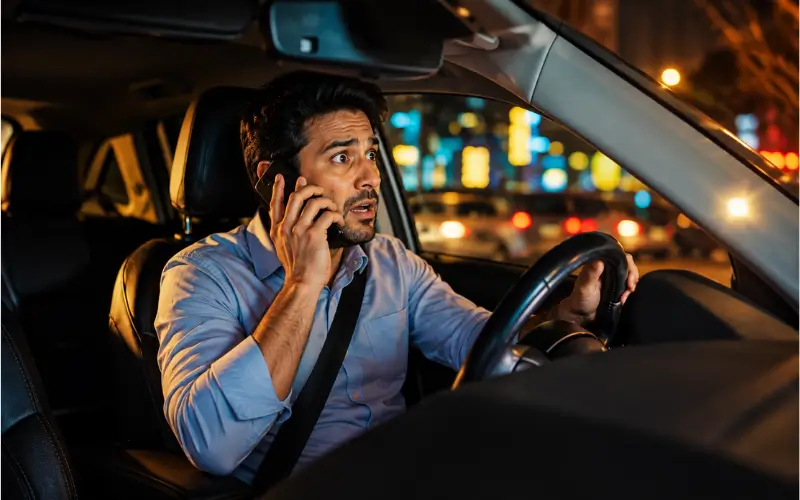
Phone records can be one of the most useful sources in a distracted driving case. They may show calls, texts, data use, or other activity close to the time of the crash.
These records do not always prove exactly what a driver was doing, but they can help create a timeline. Lawyers may compare phone activity with police reports, witness statements, or vehicle data to see whether distraction played a role.
2. Text Messages and App Activity
Messages and app use may provide more specific information than basic phone records. Depending on what is legally available, evidence may show whether a driver was sending messages, using social media, checking directions, or interacting with another app.
This can be especially important if the driver denies using a device. A legal team may seek records through proper legal procedures and compare them with the known time of the accident.
3. Traffic and Security Camera Footage
Video can provide an independent view of events. Traffic cameras, nearby businesses, homes, parking areas, and public buildings may have recorded the road before or during the crash.
Useful footage might show a driver looking down, holding a phone, drifting between lanes, or reacting late. Since some systems erase recordings quickly, requesting footage early may be important.
4. Eyewitness Statements
People who saw the driver before the collision can provide valuable details. A passenger, pedestrian, nearby driver, or business employee may have noticed behavior that was not recorded elsewhere.
Witnesses may describe:
- A phone in the driver’s hand
- The driver looking away from the road
- Sudden lane movement
- Delayed braking
- Unusual driving before impact
Clear statements can support other evidence and help explain what happened from a human point of view.
5. Police Reports and Officer Observations
A police report may contain details gathered shortly after the accident. Officers can record driver statements, witness accounts, citations, road conditions, and observations about phones or other possible distractions.
An experienced distracted driving accident lawyer may review the report for details that connect driver behavior with the crash. The report may also identify witnesses or evidence sources that need further investigation.
6. Vehicle Event Data
Many modern vehicles store information about speed, braking, steering, and other actions. This data may help show whether a driver reacted late or failed to slow down before impact.
Vehicle data usually does not prove phone use by itself. However, it can support a larger pattern. Delayed braking combined with phone activity, for example, may suggest the driver was not fully focused on the road.
7. Photos From the Scene
Photos can preserve details that later disappear. Images of vehicle positions, skid marks, road signs, damage, debris, and traffic conditions may help explain how the collision developed.
Photos may also reveal whether there were clear sight lines or enough time to notice a hazard. Good scene documentation can make later accident analysis more reliable.
8. Dashcam and In-Vehicle Video
Dashcams can capture behavior inside or outside a vehicle. Footage may show lane movement, traffic signals, braking patterns, or a driver’s actions before the collision.
Commercial vehicles may also use in-cab cameras or monitoring systems. If this evidence exists, it can provide direct information that is difficult to dispute. Lawyers may act quickly to preserve it before routine deletion occurs.
9. Expert Accident Analysis
Some cases require professional analysis to connect different pieces of evidence. Accident reconstruction specialists may review vehicle damage, roadway marks, video, speed data, and other information.
Their work can help answer practical questions such as:
- How fast were the vehicles moving?
- When should the driver have reacted?
- Was the crash avoidable with normal attention?
- Does the physical evidence match the driver’s account?
Expert analysis can make technical information easier to understand during negotiations or litigation.
Turning Separate Clues Into a Stronger Claim
Distracted driving claims often depend on several pieces of information rather than one perfect source of proof. Phone records may show activity, video may show behavior, and vehicle data may reveal delayed reactions. Together, these details can create a clearer picture of what caused the collision.
Preserving evidence early matters because digital records, camera footage, and witness memories may become harder to obtain over time. If you are dealing with a crash involving possible driver distraction, If you are dealing with a crash involving possible driver distraction, getting legal support can help you understand how the available evidence may affect your case.
A legal professional can evaluate the circumstances, identify important details, and help you make informed decisions about the next steps in the claims process.