
The feeling of stress often creeps up when one has a busy schedule, multiple notifications, family, work, and the unknown. Although stress is often unavoidable, especially when one experiences a hard situation, living a tense and anxious life can be incredibly detrimental to one’s health and mindset.
Luckily, there are many things that can be done to relax and take back some control. New habits practised on a day-to-day basis can help reduce overall stress levels.
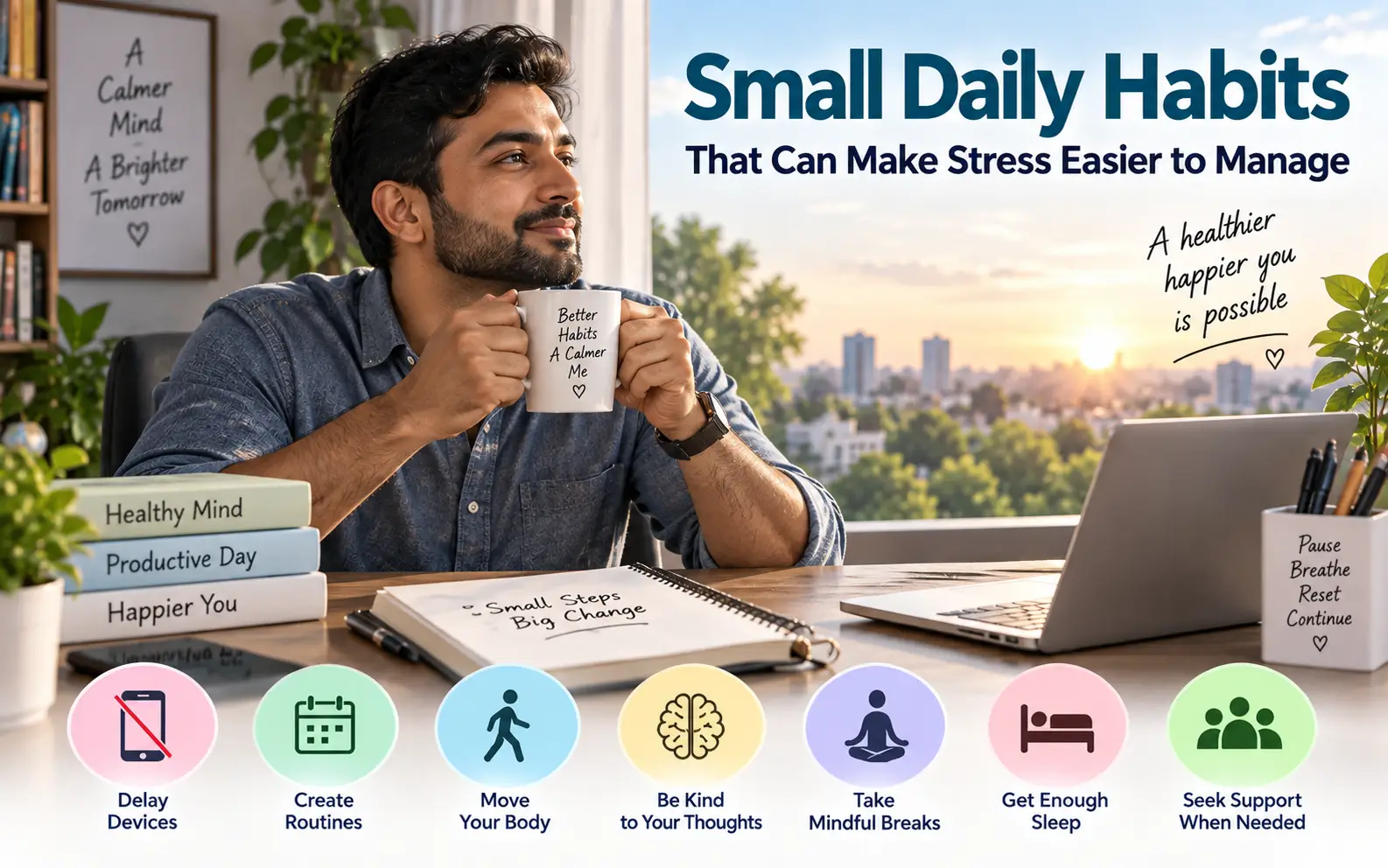
Habits are where most people start, and for many that is enough on its own. For others they sit alongside something more structured, which is the point at which people begin looking into anxiety treatment Mission Viejo rather than trying to manage it alone.
Do Not Reach for Devices as Soon as You Wake Up
As soon as one wakes up, they are met with emails, messages, headlines, and more. However, it is worth leaving devices alone for a few minutes as the day starts.
Taking a moment to walk, drink water, open a window, and prepare for the day can set the mood for a calmer one.
Create Predictable Moments
When the day goes smoothly, it is easy to forget about tension and stress. However, it can be extremely helpful to create small routines within the day to help take the mind off stressful situations. For example, people can try to eat at a certain time each day or go for a walk at the same point every afternoon.
It does not matter what the specific actions are. What matters is having something predictable to look forward to during the day.
Get Physical Activity Without Exerting Too Much Effort
While going to the gym and lifting heavy weights is a great way to get physical activity, it may be difficult for some people to get motivated and make it there. A simpler and still effective way to get the blood pumping is by taking short walks and getting some fresh air.
Any type of moving will do, such as gardening, cleaning, or walking. A walk can also work well as a transition between a busy day of work and the evening.
Be Mindful of Thoughts and Speech
Although external factors cause many stressful situations, how people think and talk to themselves affects how they respond to those events. When something bad happens, it is easy to say that everything is going wrong or that one is not good enough. It is worth becoming aware of those thoughts and changing the way one speaks to oneself.
Many people would never say something cruel to a friend, yet they say far worse things to themselves. Noticing that pattern and replacing it with something fairer is one of the core techniques used in cognitive behavioral therapy, and it is something a person can practise on their own as well.
Give the Brain Time to Wind Down
There is no shame in needing a break from a busy day. A few minutes to take some deep breaths, write in a journal, listen to music, or simply look out of a window can noticeably lift a bad mood.
There are many ways to do this, such as taking a walk somewhere green or practising mindfulness. Mindfulness in particular is a helpful tool for stress because it allows people to acknowledge thoughts instead of ignoring or fighting them.
Make Sure to Get Enough Sleep
After a sleepless night, many people try to compensate in ways that make things worse, such as sleeping in late or staying up later the following evening. Lack of sleep only increases stress levels, which can lead to feeling even more anxious the next day. A sleepless night may be inevitable at times, but there are healthier ways to get rest.
Dimming lights and putting away screens an hour or so before bed can signal the brain that it is time to sleep. If someone cannot stop thinking about the day’s events or the next day’s plans, writing everything down can help calm the mind. If worry or anxiety keeps winning and these methods are not working, it may be time to get professional help.
Lifestyle Changes Are Not the Only Answer
Although building new habits and making changes to everyday life is extremely beneficial and a crucial first step, there may come a time when additional help is needed. If stress, anxiety, and tension are affecting every part of one’s life, it may be helpful to speak with a counselor.
It is worth understanding that treating anxiety is not only about building new routines. Depending on the person, it may also involve therapy, professional support, and in some cases medication.
Conclusion
It does not matter how small or large a habit may seem. What matters is starting somewhere and taking one step closer to a healthier life.
It is not possible to completely avoid stress-inducing situations, such as bad weather or hard conversations, but there is always time to stop and relax. A few minutes of fresh air, a walk around the neighborhood, or time spent with loved ones can do a lot in stressful periods. Start small, and change one thing at a time.