Global buyers often work with overseas steel tube suppliers to reduce purchasing costs, expand product options, and support large industrial projects. However, international purchasing also brings real risks. A low price may look attractive at first, but poor quality, late delivery, unclear specifications, weak communication, or missing export documents can create serious problems later.
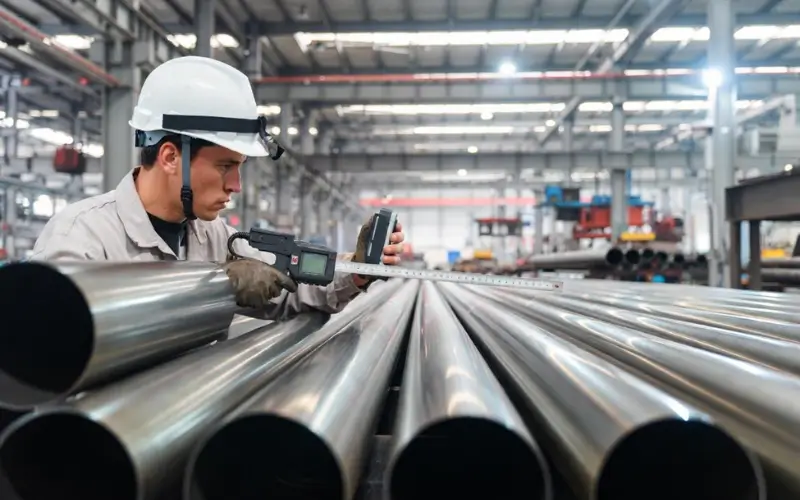
For buyers in construction, machinery, automotive, hydraulic systems, energy, and industrial manufacturing, steel tube sourcing requires more than comparing quotations. Buyers need to confirm supplier capability, material standards, steel tube quality control, production lead time, packaging, and after-sales support before placing bulk orders.
A clear purchasing process can help buyers reduce mistakes and build a stable supply chain. Buyers can also review a practical steel tube sourcing guide to better understand common steel tube types, applications, and sourcing considerations before making supplier decisions.
Why Supply Chain Risk Matters in Steel Tube Sourcing
Steel tubes are often used in important industrial applications. A wrong material grade, inaccurate size, weak weld, poor surface treatment, or delayed shipment can affect production schedules, equipment safety, and project costs.
That is why supply chain risk management matters in international steel tube procurement. When buyers purchase from overseas suppliers, they cannot always inspect the factory, check production daily, or solve problems quickly after the goods arrive. Time zones, language differences, ocean freight delays, and customs procedures can also make the process more complicated.
A reliable steel tube manufacturer helps reduce these risks by offering clear specifications, stable production, inspection reports, export experience, and professional communication.
Common Challenges When Buying Steel Tubes from Overseas Suppliers
Many problems happen because buyers focus only on price. In reality, the cheapest quotation does not always mean the lowest total cost.
Common challenges include:
- Unclear product specifications before production
- Wrong material grade or surface treatment
- Poor dimensional tolerance control
- Delayed production or shipment
- Incomplete mill test certificates or inspection reports
- Weak packaging that causes damage during transport
- Slow communication after payment
- Lack of experience with steel tube export documentation
- Different understanding of ASTM, EN, DIN, JIS, or GB standards
These issues can delay projects and increase costs. Buyers should manage these risks before they place an order, not after the goods arrive.
How to Verify a Reliable Steel Tube Manufacturer
Before choosing a supplier, buyers should check whether the company is a real manufacturer, trading company, or mixed supplier. Each type can be useful, but the buyer must understand who controls production and quality.
A reliable steel tube manufacturer should be able to provide:
- Company registration information
- Factory photos and production videos
- Product range and production capacity
- Quality control process
- Export records or customer references
- Material certificates and testing reports
- Clear quotation with technical details
- Professional answers to technical questions
Buyers should also check whether the supplier has experience in the required product category, such as seamless steel tube, seamless steel pipe, stainless steel tube, stainless steel pipe, hydraulic steel tube, alloy steel tube, galvanized steel pipe, or cold drawn steel tube.
If a supplier cannot explain its production process or quality control clearly, buyers should be careful.
Why Product Specifications Must Be Clear Before Ordering
Clear specifications are the foundation of safe steel tube sourcing. Many purchasing problems happen because the buyer and supplier do not define the same product requirements.
Before ordering, buyers should confirm:
- Tube type: seamless, welded, cold drawn, galvanized, stainless, alloy, or carbon steel
- Outer diameter and wall thickness
- Length and tolerance
- Material grade
- Standard or equivalent standard
- Surface treatment
- Mechanical properties
- End processing
- Quantity and packing method
- Inspection requirements
- Delivery time and shipping terms
For example, a hydraulic steel tube may require tighter tolerance and better pressure resistance than a general structural tube. A stainless steel tube for corrosion-resistant applications may need different material grade verification compared with a carbon steel tube.
The more detailed the specification, the lower the risk of misunderstanding.
Checking Material Grades, Standards, and Certifications
Material grade verification is one of the most important steps in steel tube purchasing. Buyers should not only ask for the material name. They should also confirm the standard, chemical composition, mechanical properties, and testing requirements.
Important documents may include:
- Mill Test Certificate
- Material composition report
- Mechanical testing report
- Dimensional inspection report
- Surface inspection report
- Third-party inspection report, if required
Certifications and reports help buyers confirm whether the product matches the required standard. They also make communication easier when the goods are used in regulated industries or technical projects.
How Quality Control Reduces Sourcing Risk
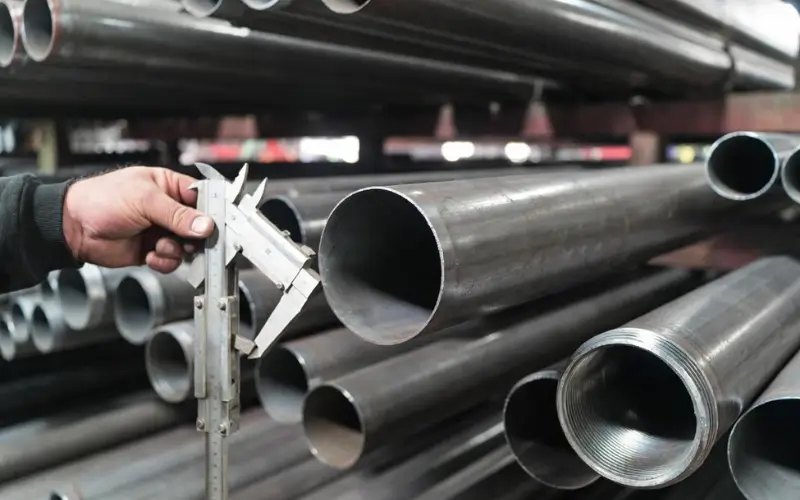
Steel tube quality control should cover the full production process, not only the final inspection. A professional supplier checks raw material, production accuracy, surface condition, mechanical performance, and packaging before shipment.
| Quality Check | Why It Matters |
| Raw material inspection | Confirms the correct material grade before production |
| Dimensional inspection | Ensures outer diameter, wall thickness, and length meet requirements |
| Surface inspection | Helps avoid rust, cracks, scratches, or coating defects |
| Mechanical testing | Confirms strength, elongation, and performance |
| Pressure or leakage testing | Important for hydraulic and fluid applications |
| Final packing inspection | Reduces damage during international shipping |
For high-value or high-risk orders, buyers can arrange third-party inspection before shipment. This small extra cost can prevent expensive mistakes after delivery.
The Importance of Factory Audits and Supplier Background Checks
A factory audit for suppliers helps buyers understand whether a company can truly support stable production. This is especially useful for large orders, long-term cooperation, or custom steel tube requirements.
A factory audit can check:
- Production equipment
- Warehouse condition
- Raw material traceability
- Quality control team
- Testing equipment
- Worker experience
- Packing area
- Export loading process
For buyers who cannot visit the factory, video audits, live production calls, third-party checks, and supplier background investigations can still reduce risk.
A transparent supplier is usually easier to cooperate with than a supplier that avoids detailed questions.
Managing Lead Time, Production Capacity, and Delivery Schedules
On-time delivery for steel tubes is a key part of supply chain risk management. Even if product quality is good, late delivery can stop production, delay installation, or affect customer projects.
Buyers should ask the supplier to confirm:
- Current production schedule
- Raw material availability
- Estimated production time
- Inspection time
- Packing time
- Shipping method
- Port loading schedule
- Possible delay factors
For repeat orders, buyers should also discuss safety stock, production planning, and long-term delivery schedules. This helps both sides avoid urgent orders and unstable supply.
Avoiding Communication Problems with Overseas Steel Tube Suppliers
Good communication reduces risk when working with overseas steel tube suppliers. Buyers should choose suppliers who respond clearly, understand technical questions, and provide written confirmation for important details.
Before payment, buyers should confirm all key points in writing:
- Product specification
- Unit price and total price
- Payment terms
- Delivery time
- Packing method
- Inspection standard
- Shipping terms
- Required documents
- After-sales responsibility
Professional suppliers do not only say “yes.” They ask questions, confirm details, and help buyers avoid mistakes.
How Sample Orders Help Reduce Purchasing Risk
A sample order is a practical way to check supplier reliability before bulk purchasing. It allows buyers to test product quality, packaging, documents, and communication.
A sample order can help buyers check:
- Material accuracy
- Dimensional tolerance
- Surface finish
- Cutting and end processing
- Packaging quality
- Delivery speed
- Supplier response after shipment
For products such as seamless steel tube, hydraulic steel tube, alloy steel tube, aluminum tube, anodized aluminum tube, telescopic pipe, aluminum telescopic pole, aluminum tent pole, or telescopic extension pole, sample testing can reduce the chance of large-scale quality issues.
Packaging, Shipping, and Export Documentation Considerations
Good packaging protects steel tubes during long-distance shipping. Poor packaging can cause rust, bending, scratches, or surface damage. Buyers should confirm packaging details before shipment.
Common packaging requirements include:
- Anti-rust oil or protective coating
- Plastic caps for tube ends
- Bundles with steel strips
- Waterproof wrapping
- Wooden cases or pallets, if required
- Clear shipping marks
- Photos before loading
Steel tube export documentation is also important. Buyers may need a commercial invoice, packing list, bill of lading, certificate of origin, mill test certificate, and inspection documents. Missing or incorrect documents can delay customs clearance and create extra costs.
Why Price Should Not Be the Only Decision Factor
Price matters, but it should not be the only factor when selecting overseas steel tube suppliers. A very low price may come from lower-grade material, weak inspection, unstable production, or poor packaging.
Buyers should compare total value, not only unit price.
Important factors include:
- Supplier reliability
- Material quality
- Production experience
- Quality control process
- Export experience
- Communication speed
- Delivery stability
- After-sales support
A slightly higher price from a reliable steel tube manufacturer may reduce overall risk and save money in the long term.
Building Long-Term Supplier Relationships for Stable Supply
Long-term cooperation helps buyers build a more stable supply chain. When a supplier understands the buyer’s standards, product usage, packing preferences, and delivery schedule, future orders become smoother.
To build a strong supplier relationship, buyers should:
- Share clear forecasts when possible
- Give feedback after receiving goods
- Keep specifications consistent
- Review quality performance regularly
- Discuss improvement points openly
- Plan repeat orders early
Stable supplier relationships are especially useful for buyers who purchase stainless pipe, CNG tube, galvanized steel pipe, cold drawn steel tube, aluminum alloy pipe, or custom industrial tube products.
How Professional Steel Tube Suppliers Support Global Buyers
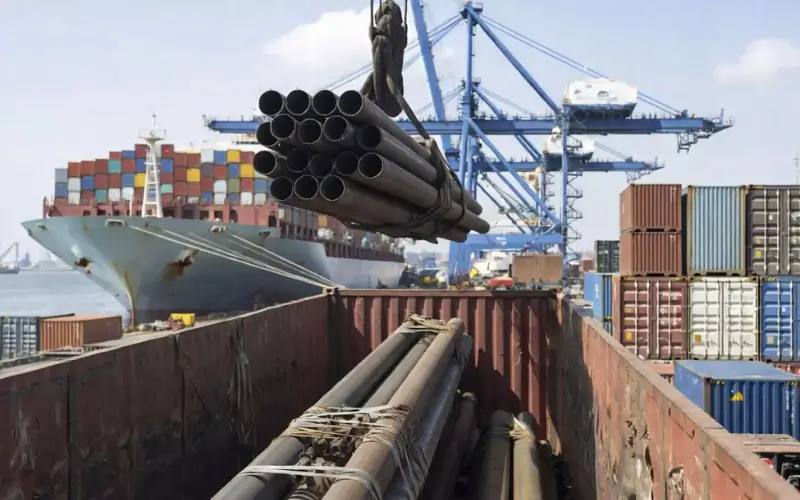
Professional suppliers do more than produce steel tubes. They help buyers choose suitable materials, confirm standards, prepare documents, arrange inspection, and manage export delivery.
A strong supplier can support global buyers with:
- Technical product recommendations
- Material grade comparison
- Custom size support
- Surface treatment options
- Sample production
- Quality inspection reports
- Export packing solutions
- Shipment coordination
- Long-term order planning
For buyers who also source related industrial products such as closed die forging parts, open die forging parts, or forging small parts, supplier evaluation becomes even more important because different products may require different inspection methods.
Companies such as PipeCW support global buyers with different steel tube and industrial product options for international procurement needs.
Final Checklist for Safer Overseas Steel Tube Sourcing
Before placing a bulk order, global buyers can use this checklist to reduce sourcing risk:
- Confirm the supplier’s business and factory background
- Define product specifications clearly
- Check material grade and standard
- Request certificates and inspection reports
- Review production capacity and lead time
- Confirm quality control steps
- Ask for sample testing when necessary
- Confirm packaging and shipping method
- Check export documentation requirements
- Keep all important details in written communication
- Consider third-party inspection for high-value orders
- Build long-term cooperation with reliable suppliers
Conclusion
Sourcing steel tubes from overseas suppliers can help global buyers reduce costs and access wider product options, but it also requires careful supplier management. Buyers should not depend only on price. They should verify supplier reliability, confirm product specifications, check material grades, control quality, manage lead time, and prepare export documents properly.
A reliable steel tube manufacturer can help buyers reduce supply chain risk, improve delivery stability, and support long-term international procurement. By following a clear sourcing process, global buyers can purchase steel tubes with more confidence and avoid many common problems in overseas procurement.