
Vintage jewelry continues to hold a strong position in the global fine jewelry and investment market. Unlike contemporary mass-produced pieces, vintage jewelry represents authenticated heritage items created in earlier design eras, often by renowned maisons and master craftsmen. These pieces typically include natural gemstones, precious metals, and unique design codes that are no longer widely produced today.
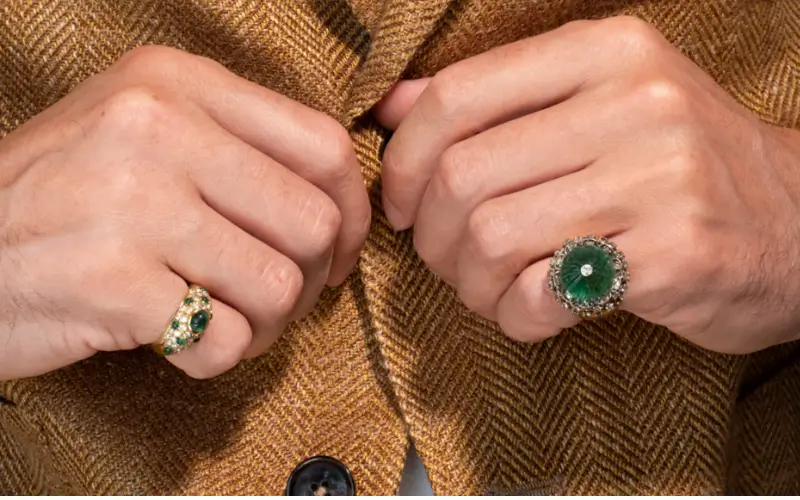
The question “Is vintage jewelry still a good investment?” remains relevant as collectors and investors increasingly seek tangible assets with historical value and long-term appreciation potential. In modern luxury markets, demand for estate jewelry has remained stable due to its scarcity, craftsmanship quality, and brand provenance.
In curated collections such as the vintage jewelry selection, buyers encounter pieces from prestigious houses including Cartier, Van Cleef & Arpels, Boucheron, Bulgari, etc. These items often combine design history with gemstone rarity, making them relevant both as wearable luxury and as investment-grade assets.
Market Position of Vintage Jewelry in Modern Luxury
Vintage jewelry occupies a distinct position between wearable luxury and collectible investment. Unlike contemporary jewelry, which is often priced primarily on production cost and branding, vintage pieces derive value from a combination of historical relevance, rarity, and documented provenance.
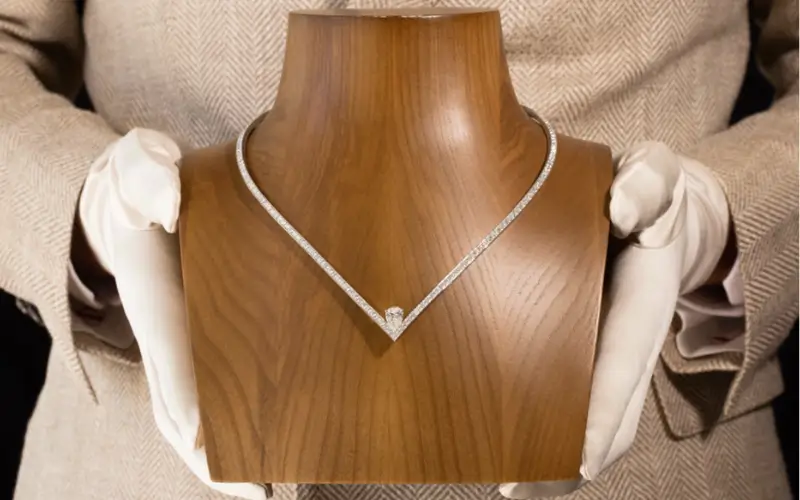
The secondary market has shown consistent demand for signed pieces from major European maisons, particularly when accompanied by original documentation or identifiable workshop attribution. Auction houses such as Sotheby’s and Christie’s regularly report strong bidding activity for mid-20th century jewelry, especially colored gemstone pieces and signed gold creations.
An important market observation is that liquidity is not uniform. While generic vintage pieces may stagnate in value, signed high jewelry from maisons such as Cartier or Van Cleef & Arpels tends to maintain stronger resale velocity and international buyer interest.
Value Drivers Behind Vintage Jewelry Investment
1. Brand Heritage and Provenance Effect
In vintage jewelry, brand signature is not simply a label, it is a primary valuation multiplier. Pieces signed by houses such as Cartier, Boucheron, or Chaumet consistently outperform unsigned equivalents, even when materials are similar.
This is largely due to documented design lineage and archival recognition. For example, Cartier’s mid-century gold work and Van Cleef & Arpels’ articulated bracelet mechanisms are frequently referenced in auction catalogues as “design-coded assets,” meaning their value is partially derived from recognisable construction language rather than only materials.
Provenance also plays a critical role. A piece with documented ownership history or original maison certification can command a significant premium in private sales markets.
2. Gemstone Quality and Natural Scarcity
One of the strongest investment drivers in vintage jewelry is the prevalence of natural, untreated gemstones. Unlike many modern supply chains, historical sourcing often included stones that are no longer available in comparable quality today.
Rubies from Burmese-origin deposits, older Kashmir sapphires, and old-mine cut diamonds frequently appear in estate collections. These stones are increasingly scarce in today’s regulated mining environment.
For example, high jewelry pieces such as ruby-diamond rings from historic European ateliers or sapphire compositions by maisons like Sabbadini illustrate how gemstone origin directly impacts long-term valuation. Natural inclusions, old cutting styles, and untreated color saturation are now considered desirable investment characteristics rather than imperfections.
3. Craftsmanship and Production Irreplicability
Vintage high jewelry reflects production methods that are partially non-replicable under modern industrial standards. Hand engraving, micro-mechanical articulation, and bespoke stone setting techniques were standard in earlier decades but are now largely reserved for exceptional high jewelry commissions.
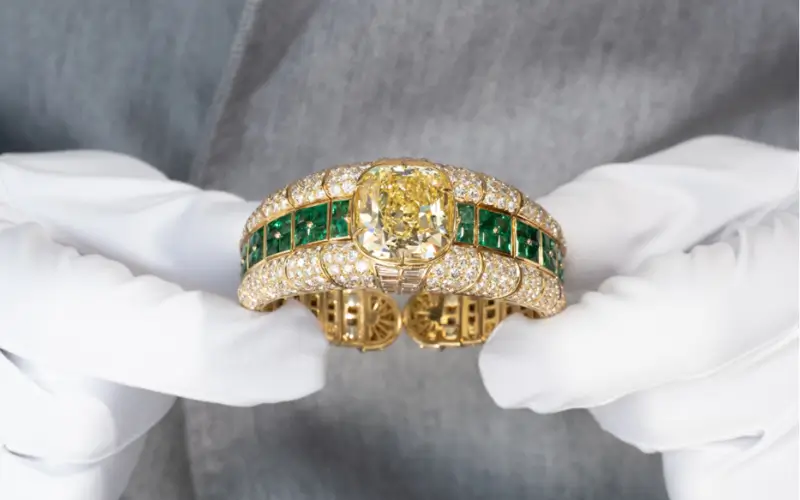
Maison-level craftsmanship is particularly evident in articulated gold bracelets and complex gemstone arrangements. For instance, Van Cleef & Arpels’ mechanical jewelry systems or Buccellati’s hand-engraved gold surfaces demonstrate techniques that require highly specialized artisanal labor.
This creates a structural limitation in modern replication. Even when brands attempt re-editions, they rarely achieve identical tactile and structural outcomes, which strengthens the uniqueness premium of vintage pieces.
4. Auction Performance and Liquidity Behavior
Auction performance is one of the most reliable indicators of vintage jewelry investment strength. Over the past 15–20 years, signed jewelry from major maisons has shown steady appreciation in competitive bidding environments, particularly in categories such as:
- Cartier mid-century gold jewelry
- Van Cleef & Arpels gemstone bracelets
- Boucheron high jewelry rings and brooches
Liquidity is strongest in internationally recognised pieces with clear design identity. Colored gemstone jewelry especially ruby, sapphire, and emerald compositions tends to outperform plain diamond-only designs in auction growth rates due to rarity perception.
However, liquidity remains highly segmented. The strongest resale performance is concentrated in top-tier brands and well-preserved condition pieces, while generic estate jewelry often requires longer holding periods.
5. Condition, Restoration, and Value Preservation
Condition plays a decisive role in valuation. Unlike contemporary jewelry, where minor wear is often negligible, vintage jewelry pricing is highly sensitive to restoration history and structural integrity.
Originality is preferred over extensive refurbishment. Over-restored pieces may lose collector interest, especially when original surface finishes or gemstone settings have been altered. However, professional conservation, particularly by maison-certified ateliers can stabilize value without diminishing authenticity.
Pieces that retain original clasps, engravings, and gemstone layouts are significantly more desirable in the investment market.
Key Categories and Investment Segments
Within the vintage jewelry market, several categories demonstrate consistently stronger investment performance:
- Signed High Jewelry by European Maisons
Cartier, Van Cleef & Arpels, Boucheron, and Chaumet remain dominant due to global recognition and archival validation. - Colored Gemstone Statement Pieces
Rubies, sapphires, emeralds, and rare combinations such as multi-gem cocktail rings are highly sought after, particularly when untreated stones are present. - Articulated Gold Jewelry
Mechanical bracelets and flexible gold structures from maisons like Bulgari or Van Cleef & Arpels represent a niche but highly collectible segment. - Early 20th Century Diamond Work
Platinum-based Art Deco pieces with old European cut diamonds maintain strong institutional collector demand.
Vintage Jewelry vs Contemporary High Jewelry
From an investment perspective, vintage and contemporary high jewelry operate under different value mechanisms.
Contemporary jewelry is influenced by retail pricing strategies, brand positioning, and current design trends. It often depreciates in secondary markets unless it is part of limited high jewelry collections.
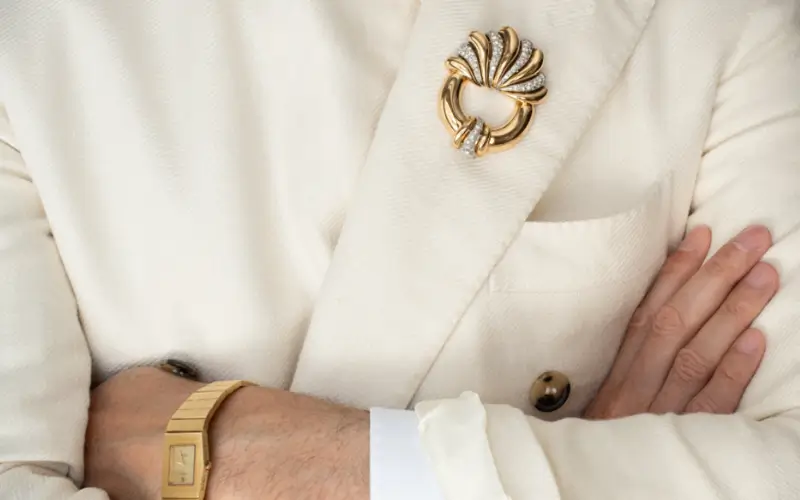
Vintage jewelry, by contrast, behaves more like a finite asset class. Its value is determined by scarcity, historical relevance, and established collector demand rather than production cost.
In terms of long-term performance, vintage signed jewelry typically demonstrates greater price stability, while contemporary pieces rely more heavily on brand-driven retail cycles.
Strategic Considerations for Buyers and Collectors
Investing in vintage jewelry requires a structured evaluation approach rather than aesthetic preference alone. Key considerations include:
- Verification of brand signature and authenticity
- Assessment of gemstone origin and treatment status
- Analysis of condition and restoration history
- Market comparables from auction results
- Long-term liquidity potential within international markets
Collectors often prioritise pieces with documented provenance and strong maison attribution, as these factors significantly reduce resale uncertainty.
Conclusion
Vintage jewelry remains a structurally strong investment category within the global luxury market. Its performance is driven by a combination of brand heritage, gemstone rarity, craftsmanship irreproducibility, and sustained auction demand.
While not every piece qualifies as an appreciating asset, signed high jewelry from established European maisons consistently demonstrates resilience and collector demand across market cycles. For informed buyers, vintage jewelry represents a rare intersection of wearable luxury and long-term value preservation.