A restless night can leave you groggy, irritable, unfocused, and counting down the hours until you can crawl back into bed. When poor sleep becomes a regular issue, it affects more than just your energy levels. It can impact mood, productivity, concentration, and even long-term health.
While stress and lifestyle habits often get the blame, one of the most overlooked causes of restless sleep is your mattress. If you’re struggling to get comfortable, waking up sore, or constantly shifting positions throughout the night, your sleep surface may not be providing the right balance of support and cushioning.
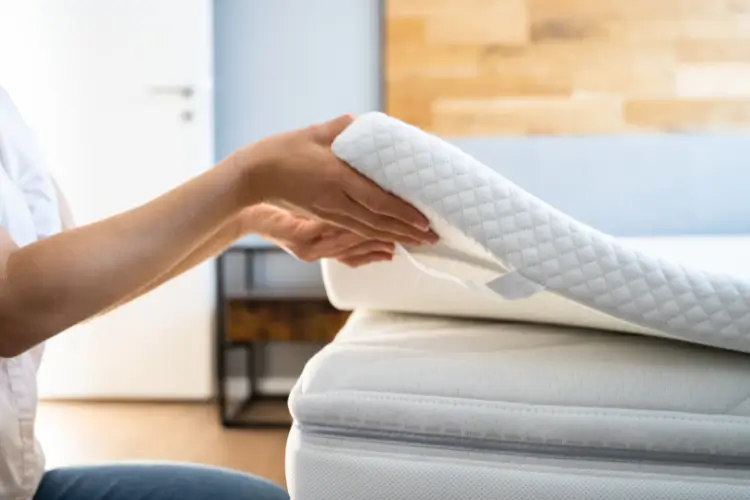
Before investing in an entirely new mattress, there’s a more affordable and practical option worth considering: a good-quality mattress topper.
Why Your Mattress May Be Falling Short
Even a mattress that once felt comfortable can lose its effectiveness over time. Materials naturally compress, internal support structures weaken, and surface padding flattens. As this happens, pressure points become more noticeable, and spinal alignment may suffer.
In some cases, the issue isn’t wear and tear—it’s simply that the mattress was never the right firmness level for your body type or sleeping position. A bed that feels too firm can create joint discomfort, while one that’s too soft may cause your spine to sink out of alignment.
Your mattress should evenly distribute your weight while supporting the natural curve of your spine. When it fails to do so, discomfort and restless sleep often follow.
The Role of Pressure Relief in Better Sleep
Pressure relief is one of the most important factors in achieving restorative sleep. When certain areas of your body—such as your hips, shoulders, or lower back—bear more weight than others, circulation can be restricted. This leads to discomfort, stiffness, and frequent position changes throughout the night.
Every time you shift to relieve pressure, your sleep cycle is interrupted, even if you don’t fully wake up. Over time, this fragmented sleep reduces overall sleep quality.
Adding a mattress topper introduces an additional comfort layer that cushions these sensitive areas. By distributing weight more evenly, it helps reduce strain on joints and muscles. This allows your body to relax more fully and remain in deeper stages of sleep for longer periods.
Side sleepers often benefit the most from enhanced pressure relief, as their shoulders and hips press directly into the mattress. Back sleepers gain from improved lumbar support, while stomach sleepers may need a firmer surface to prevent excessive arching of the spine.
Improving Spinal Alignment
Spinal alignment plays a major role in how you feel when you wake up. If your spine is not supported properly during the night, muscles must work harder to compensate. This can result in lower back pain, neck stiffness, and tension headaches.
A topper can help correct minor alignment issues by adjusting the feel of your mattress. For example:
- If your mattress is too soft, a firmer topper can provide additional structure.
- If your mattress is too firm, a softer layer can relieve pressure without compromising support.
When your spine remains in a neutral position, your muscles can relax fully. This reduces strain and helps prevent morning discomfort.
Memory Foam: Contouring Comfort and Motion Control
Memory foam is one of the most popular materials for mattress toppers. It responds to body heat and pressure, moulding to your shape and creating a personalized sleep surface.
This contouring effect offers several benefits:
1. Even Weight Distribution
Memory foam spreads your body weight across a larger surface area, reducing pressure buildup.
2. Motion Isolation
If you share a bed, you’re likely familiar with sleep disruptions caused by a partner’s movements. Memory foam absorbs motion rather than transferring it across the bed, allowing for more peaceful rest.
3. Custom Support
The material adapts to your body’s curves, helping maintain proper alignment.
However, traditional foam can retain heat, which may not be ideal for hot sleepers. Fortunately, modern designs often incorporate cooling features to address this concern.
Latex and Alternative Materials
Latex toppers offer a slightly different experience. They provide gentle cushioning while maintaining a responsive feel. Instead of sinking deeply into the surface, sleepers experience subtle bounce and support.
Latex is also naturally breathable, making it a good option for those who tend to overheat. Additionally, it is durable and resistant to dust mites, making it suitable for allergy sufferers.
Other options include down-alternative toppers for plush softness and hybrid materials that combine foam with breathable fabrics.
Temperature Regulation: A Crucial Element of Rest
Body temperature naturally drops as you prepare for sleep. If your mattress traps heat, this cooling process is disrupted, making it harder to fall and stay asleep.
Overheating at night is common, particularly with dense foam mattresses. Signs that temperature may be affecting your sleep include:
- Night sweats
- Frequent waking
- Kicking off blankets
- Flipping pillows to find the cool side
To address this, many toppers are designed with breathable materials such as gel-infused foam, open-cell construction, or moisture-wicking covers. These features promote airflow and reduce heat retention.
For individuals who experience persistent temperature fluctuations, a cooling system for bed may provide a more advanced solution. Unlike passive materials, these systems actively regulate mattress temperature throughout the night, helping maintain consistent comfort.
Extending the Life of Your Mattress
Replacing a mattress can be a significant expense. While most mattresses last between seven and ten years, they often lose comfort before reaching the end of their structural lifespan.
A topper can refresh the feel of your bed and delay the need for replacement. It acts as a protective layer, reducing wear on the mattress surface and preserving its underlying support system.
Although it cannot repair deep sagging or structural damage, it can dramatically improve surface comfort and usability.
A Cost-Effective Sleep Upgrade
Sleep deprivation carries hidden costs, from decreased productivity to increased stress levels. Investing in better sleep doesn’t always require a major financial commitment.
A mattress topper offers a budget-friendly way to improve comfort and support. Compared to purchasing a new mattress, it’s a relatively small investment with potentially significant returns in sleep quality.
For renters, students, or anyone not ready to replace their mattress, this solution provides flexibility and immediate improvement.
Choosing the Right Thickness and Firmness
Selecting the correct topper involves more than choosing the softest option available.
Thickness
- 2 inches: Subtle enhancement
- 3 inches: Noticeable change in comfort
- 4 inches or more: Significant transformation
Thicker toppers create a more dramatic difference in how your mattress feels.
Firmness
Your sleeping position should guide your choice:
- Side sleepers typically benefit from softer surfaces.
- Back sleepers need balanced support.
- Stomach sleepers usually require firmer support to prevent spinal strain.
Personal preference also plays a role. Some people enjoy a plush, cloud-like feel, while others prefer a stable and supportive surface.
Who Benefits Most from a Mattress Topper?
A topper can be especially helpful for:
- People waking up with stiffness or joint pain
- Couples disturbed by movement
- Hot sleepers
- Individuals looking to refresh an aging mattress
- Guest room upgrades
It’s a versatile solution that works in many different sleep situations.
When Replacement Is the Better Option
While toppers can significantly improve comfort, they are not a cure-all. If your mattress has:
- Deep, visible sagging
- Broken springs
- Severe unevenness
- Long-term structural damage
Replacing it may be the best long-term solution.
Final Thoughts
Quality sleep is essential for overall well-being. If you’re waking up tired, sore, or overheated, your mattress may not be providing the support and comfort your body needs.
Before committing to a full mattress replacement, consider how a carefully chosen topper could enhance your sleep environment. By improving pressure relief, promoting spinal alignment, reducing motion transfer, and addressing temperature concerns, this simple addition can make a noticeable difference.
Sometimes better sleep doesn’t require starting over—it just requires adding the right layer of comfort.