Few things are more frustrating than discovering ants in the kitchen days after treatment or hearing scratching noises in the walls despite previous efforts to eliminate rodents. Persistent pest infestations may mean that the root cause has not yet been addressed.
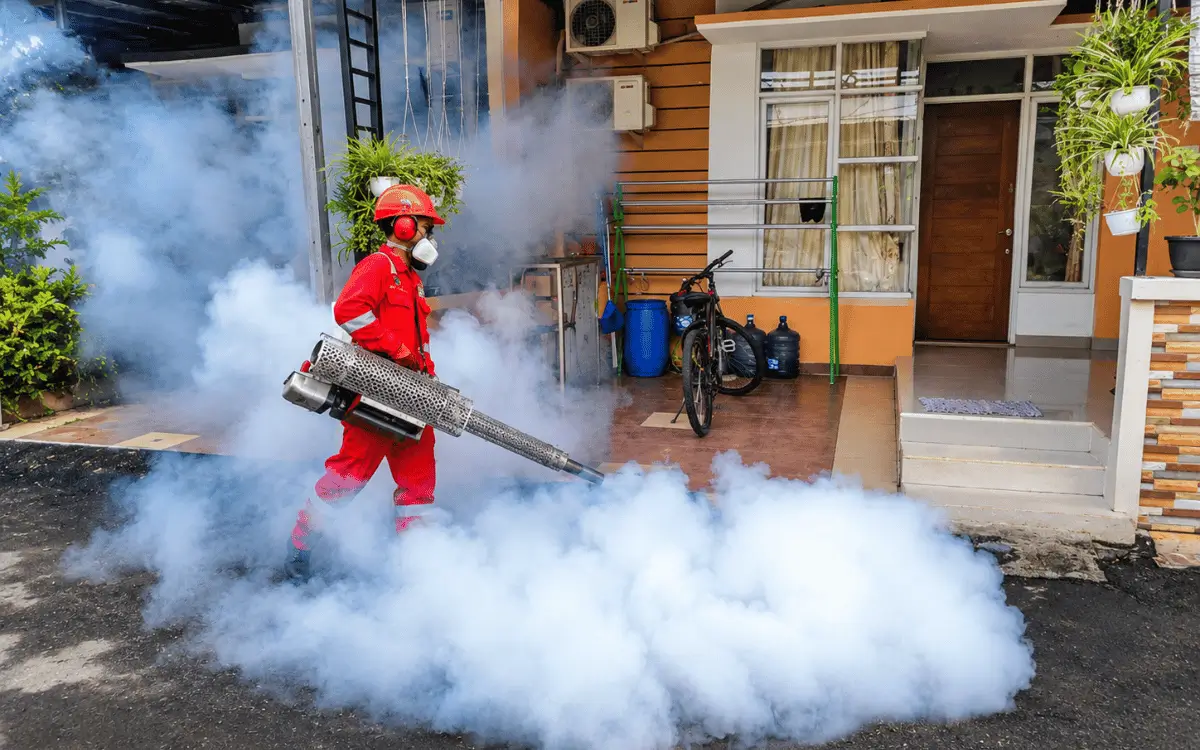
For residents in Idaho Falls, changes in temperature, the region’s environmental conditions, and access to food, water, and shelter may contribute to pest infestations year-round. Hence, effective pest control entails more than just eliminating the pests seen around the house.
Residents have to know how pests get onto the property, how they build nests, and what enables them to thrive and multiply. Through professional pest control, these contributing factors will be determined so that proper treatment can be provided, including addressing the current infestation and the environmental factors that cause reinfestation.
This is an important process that enables homeowners to better deal with infestations. It helps them understand the reasons for recurrence and how they can manage them better. In the following article, we’ll discuss how pest control works to address recurring pest infestations in Idaho Falls.
1. Identifying the Root Causes of Recurring Pest Infestations
Finding out what is causing the recurrent infestation is a crucial initial step. The fact that you see a couple of ants around does not mean that no others are hiding somewhere. Likewise, observing rodents once or twice indicates they are living in other areas, such as the attic, garage, crawl space, and sometimes inside the building’s walls.

The inspection process will help determine what kind of pest they are, how severe the infestation is, and what is creating conditions for the pest’s survival. This may include pipe leakage, food present, cluttered surroundings, holes near utility lines, and damaged weatherstripping. In addition, inspecting the less-used areas of the house may help identify nests and pest entry points.
As the University of Idaho Integrated Pest Management Center states, the secret to successful pest management is learning about pest biology and the environmental factors that influence pest behavior. Taking care of these aspects in time for Idaho Falls homeowners can help avoid the recurrence of infestations.
Professional pest control in Idaho Falls can help identify how pests entered the house, the severity of the infestation, and the proper measures to take. This would not only eliminate the problem but also ensure it does not happen again.
2. Adapting Pest Control Strategies to Idaho Falls’ Seasonal Conditions
The alternation of seasons can influence the time and place of pest activity. The colder winter season in Idaho Falls can drive some insects and rodents into houses in search of warmth and food. Rising temperatures will mean an increase in the activity of some pests.
For example, mice can enter the house through small holes, where they find warm spots and food. At the same time, rising temperatures will attract ants searching for food and water. The overwintering pests can gather near the house or even enter through gaps in the walls. Therefore, pest control measures should take into account the characteristics of each season.
3. Combining Targeted Treatments With Integrated Pest Management
For example, when managing an ant infestation, there will be identification of the ant species, identification of probable nest locations, removal of food sources, and proper use of baits when necessary. Managing rodent infestations will also include the right traps, exclusion measures, and improved sanitation.
4. Sealing Entry Points and Eliminating Pest Attractants
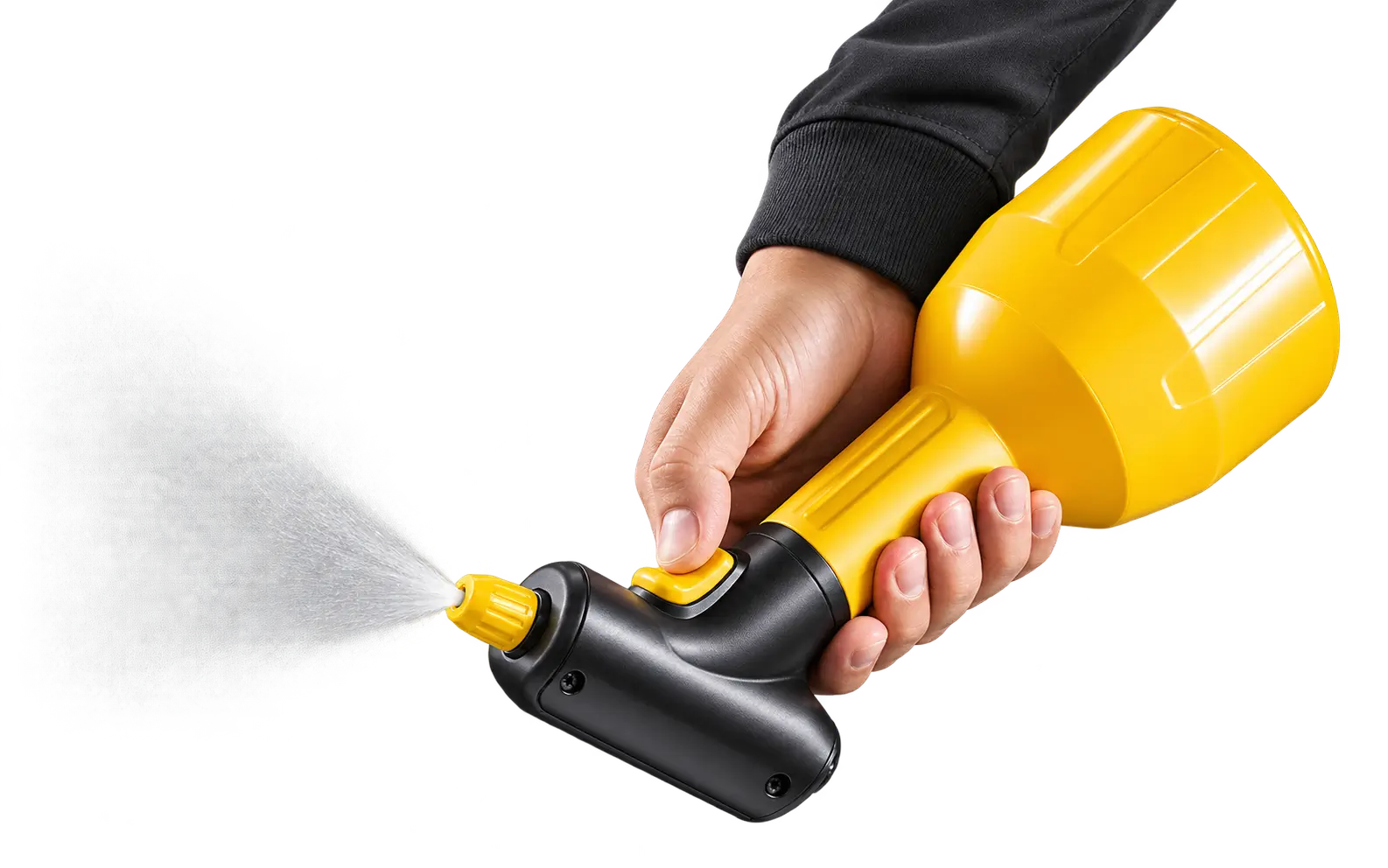
While effective pest solutions provide temporary relief, the problem will resurface when pests can easily re-enter the premises. Tiny cracks, gaps beneath doors, broken window screens, and gaps surrounding pipes are easy entry points for pests. Hence, exclusion is an essential component of stopping reinfestation.
Homeowners can check the foundation, roofline, garage doors, vents, and utility penetrations for holes. Properly applied sealants, door sweeps, and screened windows can prevent access, even if repair work must account for ventilation. Materials that rodents cannot gnaw must be considered when sealing entry points.
5. Monitoring Pest Activity and Scheduling Follow-Up Inspections
Follow-ups in long-term pest management include assessments after the use of pest management treatment options. Although the pests’ visibility will be reduced shortly, in some situations, follow-ups will be required to ensure the problem is resolved. In some scenarios, ants may continue nesting in hard-to-detect locations, while rodents will continue their activities due to easy access points.

The follow-up process will help determine whether the pests are still present, whether there are any newly created access points, and whether the prevention methods are working. Depending on the pests being addressed and the treatment methods used, follow-up may involve checking traps, baits, droppings, or previous pest sites.
Conclusion
It is rare to solve recurring pest infestations by treating only the pests one can see. Long-term control involves finding out why they come, how they survive, and what conditions make them recur. In Idaho Falls, the reasons for recurring pest infestations include the season, structural access points, food, and nesting sites.
With inspections, treatment, exclusion, sanitation, and monitoring, one can implement an efficient pest control strategy. Also, collaboration with professional services can be beneficial for identifying issues that would otherwise be hard to detect.
To have a pest-proof home means not just removing the current pests but also ensuring that the conditions for their recurrence are not met. It starts with inspections to find possible access points and attractants.