A person walking to the store rarely thinks about lawyers or lawsuits. Life moves fast and sidewalks feel routine, right up until a car turns that routine into a hospital stay. When a vehicle strikes someone on foot, the injuries can be life changing, and understanding damages for pedestrian accident injuries becomes important fast, even for people who never expected to need that kind of information.
Pedestrians carry no metal frame, no airbag, and no seatbelt when a crash happens. The body absorbs the full force of the impact, and even a crash at a modest speed can cause injuries that last a lifetime.
Why These Accidents Keep Happening
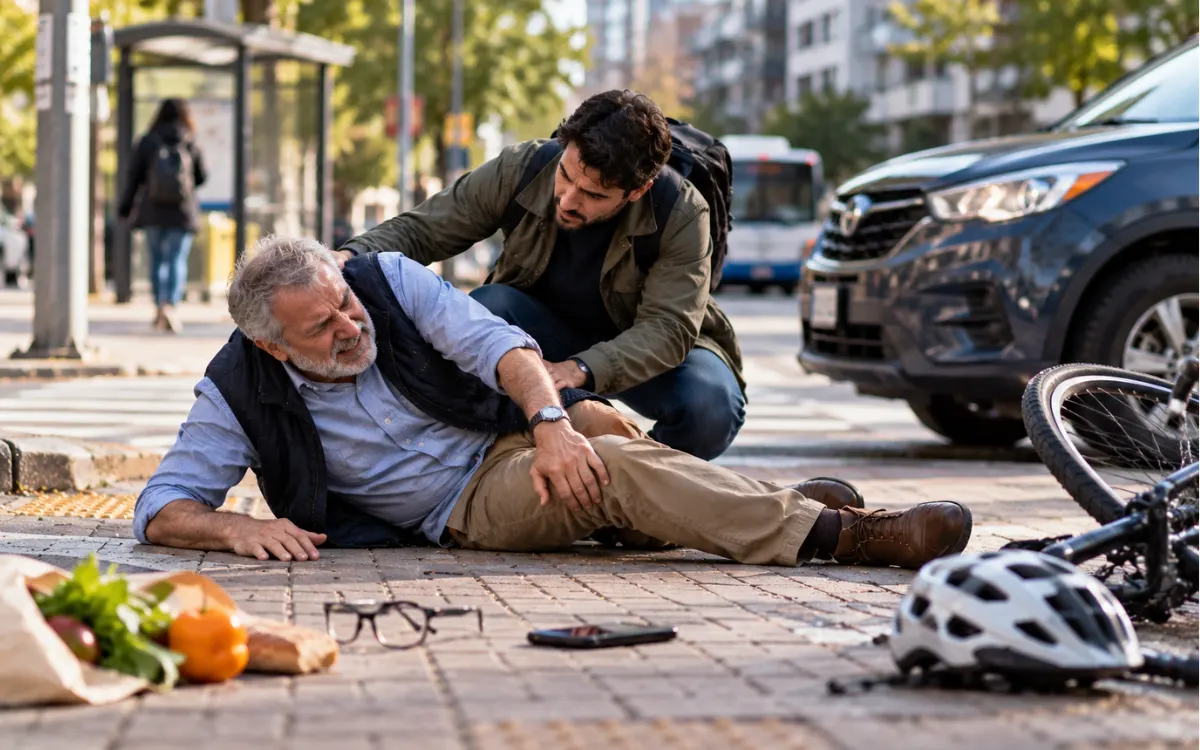
Most pedestrian accidents share a common thread: a driver who was not paying full attention to the road. Phones and general distraction pull a driver’s eyes away for a second or two, but that is often enough time for someone crossing the street to disappear from view. Other frequent causes include drivers who fail to yield at crosswalks, drivers who speed through areas where people walk, and drivers under the influence of alcohol or drugs. Poor lighting, missing sidewalks, and confusing intersections also play a role. Government resources such as the pedestrian safety guidance from NHTSA point to many of these same patterns showing up again and again across different communities.
None of this means pedestrians are always blameless. Jaywalking or stepping out from between parked cars can contribute to a crash too. Still, in most situations, the driver holds the greater share of responsibility, since a person on foot has almost no way to prevent injury once a vehicle is bearing down on them.
How the Law Usually Looks at Fault
Most places set out clear rules for how pedestrians and drivers should behave near crosswalks and intersections. Drivers are generally required to stop or slow down for someone crossing at a marked or unmarked crosswalk. Pedestrians, in turn, are expected to use crosswalks where they exist and to use reasonable care when crossing anywhere else.
When a claim moves forward, fault rarely lands entirely on one side. Many legal systems use a rule called comparative negligence, which allows an injured pedestrian to recover compensation even if they share some blame, as long as their portion of fault stays below a set threshold. The payout is then reduced by that percentage. Insurance adjusters know this rule well, and some try to shift extra blame onto the injured person to lower what they have to pay. This is one reason people choose to get legal help rather than handle a claim alone.
The Injuries Tend to Be Serious
Because the human body has so little protection in a crash with a vehicle, injuries from pedestrian accidents often fall on the more severe end of the scale. Common injuries include:
- Traumatic brain injuries from striking the pavement, the windshield, or the hood of the vehicle
- Broken bones in the legs, pelvis, arms, or ribs, which often require surgery
- Spinal cord damage that can lead to partial or complete paralysis
- Internal injuries caused by blunt force to the chest or stomach area
- Deep cuts, road rash, and other wounds that may leave permanent scarring
These injuries rarely resolve quickly. Many victims face months of physical therapy, repeated surgeries, and long stretches away from work, all of which add real financial strain on top of the physical pain.
What Compensation Might Actually Cover
A pedestrian injury claim generally looks at two broad categories of loss. The first is economic loss, which includes medical bills, future treatment costs, lost income, and reduced earning ability if the injury changes what kind of work someone can still do. The second is non economic loss, which covers pain, emotional distress, and the overall hit to a person’s quality of life. In rare cases involving especially reckless behavior, such as drunk driving or fleeing the scene, additional damages may apply as a way to punish the driver’s conduct.
No two claims look exactly alike, since the value of a case depends heavily on the medical evidence, the strength of the liability argument, and how the injury affects daily life going forward. This is why a careful review of records and documentation matters so much before any settlement offer gets accepted.
Steps Worth Taking After a Crash
The period right after a pedestrian accident often feels overwhelming, but a few practical steps can protect both health and any future claim. Getting checked by a doctor right away matters, even when injuries seem minor, since some symptoms take time to appear. Keeping copies of the police report, photos from the scene, and contact information for any witnesses can also make a real difference later. It helps to write down symptoms and limitations as they show up, rather than trying to remember everything weeks later. Speaking with an insurance adjuster before getting legal advice is usually not a good idea, since recorded statements can be used to downplay an injury.
Strict time limits also matter far more than most people realize. Every region sets its own deadline for filing a personal injury claim, and missing that window can end any chance at compensation, no matter how strong the case might otherwise be. Claims involving a government entity, such as a poorly maintained crosswalk or a broken traffic signal, often come with even shorter notice periods, so early action matters even more in those situations.
Why Walking Safety Deserves More Attention
Pedestrian safety is not just a personal issue, it is a public one. Safety organizations continue to study crash patterns and push for safer road design, since simple changes like better lighting, raised crosswalks, and slower speed limits near schools can prevent a meaningful share of these accidents before they happen. Public health groups have long tracked these trends as part of broader efforts around traffic injury prevention, and that ongoing research keeps shaping how cities plan future improvements.
For anyone who has already been through a pedestrian accident, though, prevention research offers little comfort at the moment. What matters most is getting proper medical care, protecting the evidence that supports a claim, and understanding what kind of compensation might realistically be available for the road ahead. A crash that takes only a few seconds can shape years of recovery, medical bills, and missed paychecks, so treating the aftermath with the same seriousness as the injury itself is not overreacting at all. It is simply meeting a hard situation with the attention and care it truly deserves.