
Creating a home that perfectly reflects your lifestyle while maintaining aesthetic appeal and functionality can seem overwhelming at first. Whether you’re building from scratch, renovating an existing space, or simply refreshing your interior design, the right approach makes all the difference. The perfect home balances personal taste with timeless design principles, creating spaces that feel both comfortable and inspiring. By following strategic design tips and understanding fundamental principles, you can transform any living space into a harmonious environment that meets your needs while expressing your unique personality. This comprehensive guide will walk you through essential strategies for designing a home that you’ll genuinely love for years to come.
Start with a Clear Vision and Functional Plan
Before making any design decisions or purchases, take time to establish a clear vision for your home’s overall aesthetic and functionality. Think about how you actually live in your space, your daily routines, entertainment habits, storage needs, and future plans all matter here. Creating mood boards using design magazines, Pinterest, or Instagram helps identify patterns in what appeals to you aesthetically. This preliminary planning phase prevents costly mistakes and ensures that every design choice supports your lifestyle rather than working against it. Consider consulting with design professionals who can help translate your vision into actionable plans, especially for major renovations or new construction projects. A well-thought-out plan serves as your roadmap, keeping you focused and preventing those impulsive decisions that might not align with your overall goals.
Prioritize Natural Light and Flow
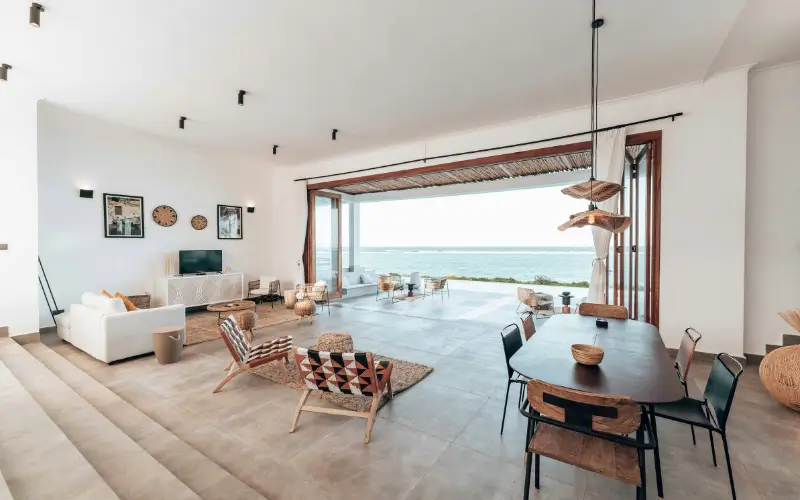
Natural light dramatically impacts how spaces feel and function, making it one of the most valuable assets in home design. You can maximize existing windows by keeping treatments minimal or choosing sheer fabrics that filter light without blocking it entirely. When possible, consider adding skylights, solar tubes, or additional windows to bring daylight into darker areas of your home. Beyond lighting, pay careful attention to how people move through your spaces, good flow makes homes feel larger and more intuitive to navigate.
Invest in Quality Over Quantity
When furnishing and decorating your home, quality always trumps quantity in creating spaces that stand the test of time. Rather than filling rooms with numerous inexpensive pieces, invest in fewer high, quality items that offer superior craftsmanship, durability, and timeless appeal. Well-made furniture constructed from solid materials doesn’t just last longer, it also maintains its appearance and functionality through years of use. This approach proves more economical long-term, as quality pieces rarely need replacement and often appreciate in value. Focus your budget on foundational elements like sofas, beds, dining tables, and built-in features that form the backbone of your design. These investment pieces create a solid foundation that you can complement with more affordable accessories and decorative items. Quality construction becomes particularly important for high-traffic areas and frequently used items, where inferior materials quickly show wear and require replacement. For homeowners planning new builds, working with professionals who specialize in luxury home construction ensures that quality extends from structural elements to finished details, creating a home built to last.
Create a Cohesive Color Palette
Establishing a cohesive color palette throughout your home creates visual harmony and makes spaces feel connected and intentional. Begin by selecting a neutral base color for walls and large furniture pieces, whites, grays, beiges, or soft earth tones provide versatility and longevity that won’t quickly feel dated. From this foundation, choose two to three accent colors that appear consistently throughout different rooms, creating subtle threads that tie your home together visually. This doesn’t mean every room must look identical, but repeating colors in varying proportions creates flow and prevents a disjointed appearance.
Balance Aesthetics with Practical Storage
Beautiful homes require adequate storage to maintain their aesthetic appeal, making smart storage solutions essential for perfect home design. Start by identifying your storage needs room by room, accounting for everything from seasonal clothing to kitchen appliances, hobby supplies, and household maintenance items. Built-in storage solutions like custom closets, window seats with hidden compartments, and floor-to-ceiling shelving maximize space while maintaining clean lines that don’t disrupt your design aesthetic. Furniture that serves dual purposes, ottomans with storage, beds with drawers, or console tables with shelving, adds functionality without cluttering rooms or eating up valuable square footage.
Incorporate Personal Elements and Texture
While following design principles creates beautiful spaces, personal touches transform houses into homes that reflect the people living there. Display meaningful items like family photos, travel souvenirs, artwork, or collections that tell your story and spark joy when you see them. These personal elements add character and warmth that purely catalog-perfect spaces often lack, making your home feel authentic rather than staged. Beyond personal items, layer various textures throughout your home to create depth and visual interest that engages the senses.
Conclusion
Designing the perfect home requires balancing aesthetics with functionality, personal expression with timeless principles, and quality with budget considerations. By starting with a clear vision, maximizing natural light, investing in quality pieces, establishing a cohesive color palette, incorporating smart storage, and adding personal touches with varied textures, you create spaces that truly enhance daily living. Remember that perfect design evolves over time as your needs and tastes change, so approach your home as an ongoing project rather than a finished product. The most successful homes reflect the authentic lifestyles and personalities of their inhabitants while providing comfortable, beautiful environments that support wellbeing. With these seven fundamental tips as your guide, you can confidently make design decisions that result in a home you’ll love coming back to every single day.